Manganese (Mn) Test Price | Lahalak Platform

Accurate manganese level testing to support bone, nerve, and metabolic health, providing precise monitoring for your overall wellness and mineral balance.
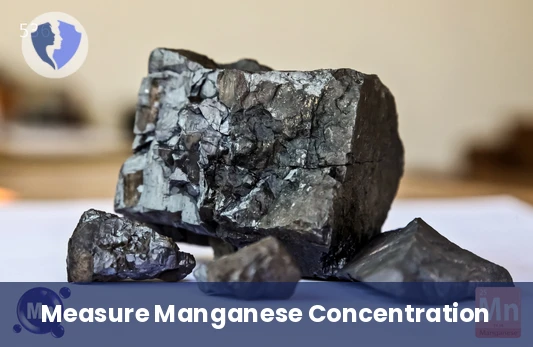
Prices starts from: 144.37 SAR

Scientific name: Manganese (Mn) Test

Manganese (Mn) analysis is an important method for assessing the concentration of this element in various samples, such as water, soil, and food. This analysis is performed using Flame Atomic Absorption Spectrometry and Graphite Furnace Atomic Absorption Spectrometry (GFA), where light absorption is measured at a specific wavelength. This method is...

Manganese (Mn) Test - Maintain Your Essential Mineral Balance
Service type Laboratory test (Blood)
Duration 10-15 minutes
Fasting Fasting is not required
Prices Starting from 144.37 SAR

Included Services

  • Manganese, Mn (Graphite Furnace Atomic Absorption Spectrometry, GFA) Test
  • The optimal health guidance based on the result.
  • Personal support services from Lahalak

Medical Service Information

Purpose Test

  • Manganese levels in water: To ensure drinking water safety and monitor contamination.
  • Soil analysis: To evaluate manganese content in agricultural soil and its impact on crops.
  • Food: To determine manganese levels in foods and dietary supplements, ensuring they do not exceed permissible limits.
  • Biological fluids: Such as blood or urine, to assess individual exposure to manganese and monitor cases of toxicity or related diseases.

Recommended groups

  • Individuals exposed to high manganese levels: Such as workers in metal industries or mining.
  • Individuals with poisoning symptoms: Such as neurological problems or behavioral changes.
  • Children: Especially in areas with contaminated drinking water.
  • Farmers: To assess soil content and agricultural products.
  • Patients with certain health conditions: Such as liver diseases or nutritional disorders that may affect mineral levels in the body.

Symptoms indicative

  • Neurological problems: Such as poor motor coordination, tremors, or movement difficulties.
  • Behavioral changes: Such as depression, anxiety, or unexplained mood changes.
  • Persistent fatigue and exhaustion: Not explained by sleep habits or work routines.
  • Respiratory issues: Especially in individuals working in manganese-containing environments.
  • Digestive symptoms: Such as nausea or loss of appetite.
  • Muscle or joint pain: Which may indicate mineral-related issues.

FAQs

  • What is the purpose of the Manganese Test? It aims to determine manganese levels in various samples, such as blood, urine, or water, to assess exposure and ensure health safety.
  • How is the test performed? Atomic absorption spectroscopy using flame or graphite furnace (GFA) is used to accurately measure manganese concentration.
  • Does the test require fasting? In some cases, fasting may be preferred before the test, but it depends on the doctor's recommendations.
  • What factors can affect the results? Exposure to manganese at work, diet, certain medications, and overall health status.
  • What do high manganese levels mean? They may indicate excessive exposure or toxicity, requiring further evaluation by a doctor.
  • How can excessive manganese exposure be avoided? By taking safety precautions in the workplace and monitoring water and food quality.

Normal Levels

  • In blood: Usually range between 4 to 15 micrograms per liter (µg/L). However, normal values may vary depending on factors such as age, gender, and geographic location.
  • In urine: If manganese is measured in other fluids, such as urine, normal levels may range from 0.2 to 1.0 micrograms per liter.

Conditions & Notices

  • The terms and conditions announced on the "Lahalak" medical platform apply.
  • There are no special conditions for the service other than those mentioned.

Medical services you might also like