IgE Blood Allergy Test | Lahalak Medical Platform

An accurate blood test measuring IgE antibodies to identify specific allergy triggers like food or pollen, helping you manage symptoms effectively and enjoy a healthier, symptom-free life.

Prices starts from: 44.62 SAR

Scientific name: Immunoglobulin E (IgE) Blood Test

The Immunoglobulin E (IgE) blood test is used to measure IgE levels, a type of antibody produced in response to allergens such as pollen, dust, and certain foods. This test is used to diagnose and assess allergic conditions, including asthma, allergic rhinitis, and skin allergies. The results can help identify potential triggers and guide appropria...
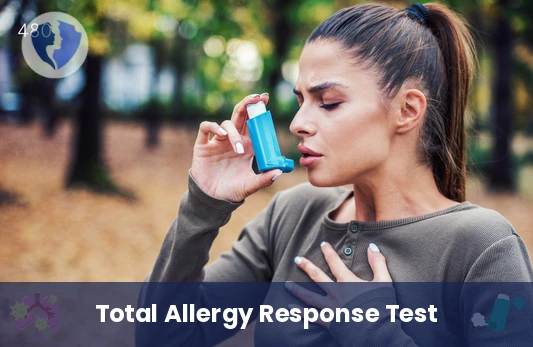

Immunoglobulin E (IgE) Blood Test - Identify Your Allergy Triggers
Service type Laboratory test (Blood)
Duration 10-15 minutes
Fasting Fasting is not required
Prices Starting from 44.62 SAR

Included Services

  • Immunoglobulin E (IgE) blood test
  • The optimal health guidance based on the result.
  • Personal support services from Lahalak

Medical Service Information

Purpose Test

  • Allergy Diagnosis: Identifying sensitivity to specific substances such as pollen, dust, pets, or certain foods.
  • Assessing Allergy Severity: Understanding the immune system’s response to allergens.
  • Guiding Treatment: Assisting in selecting appropriate treatments like antihistamines or immunotherapy.

Recommended groups

  • People with allergy symptoms: such as sneezing, runny nose, itchy eyes, or skin rash.
  • Asthma patients: to identify triggers for asthma attacks.
  • Individuals with a family history of allergies: as they may be more prone to developing allergic conditions.
  • Children: who show allergy symptoms, especially if there are concerns about food allergies.
  • People with severe reactions to insect stings: to determine the type of allergy.
  • Individuals undergoing immunotherapy: to monitor the body’s response to treatment.

Symptoms indicative

  • Sneezing and runny nose: especially when exposed to allergens like dust or pollen.
  • Itchy or watery eyes: due to allergy to certain substances.
  • Skin rash: such as eczema or hives, appearing frequently.
  • Shortness of breath: or persistent coughing, particularly in asthma patients.
  • Skin reactions: like redness or swelling after contact with certain substances.
  • Severe reactions: such as swelling of the face or lips after consuming specific foods or insect stings.

FAQs

  • What is the IgE Test? It is a test that measures the levels of IgE antibodies in the blood, which are associated with allergies.
  • When should this test be done? It is recommended when allergy symptoms appear, such as sneezing, itchy eyes, or skin rash.
  • How is the test performed? A blood sample is taken, usually from a vein, and sent to the laboratory for analysis.
  • Does the test require any special preparation? Usually, no special preparation is needed, but some medications may need to be avoided before the test.
  • What do high IgE results mean? High results may indicate an allergy to specific substances, but interpretation should be done by a doctor.
  • Can the results be inaccurate? Yes, other factors such as infections or certain medical conditions can affect the results.

Normal Levels

  • Infants (up to 2 years): 0 - 15 IU/mL
  • Children (2 - 12 years): 0 - 60 IU/mL
  • Adults (over 12 years): 0 - 100 IU/mL

Conditions & Notices

  • The terms and conditions announced on the "Lahalak" medical platform apply.
  • There are no special conditions for the service other than those mentioned.

Medical services you might also like