Huntington's Disease Test | Lahalak Medical Platform

An advanced genetic test aiding in the early detection of Huntington’s disease, assessing genetic risk to support medical planning and preventive decisions.

Prices starts from: 2768.83 SAR

Scientific name: Huntington's Chorea Test

Huntington's Chorea analysis is a procedure used to diagnose this genetic disorder that affects movement and behavior. The test relies on DNA examination to look for genetic mutations in the gene associated with the disease, known as HTT. Huntington's disease is characterized by a progressive decline in brain function, leading to symptoms such as i...
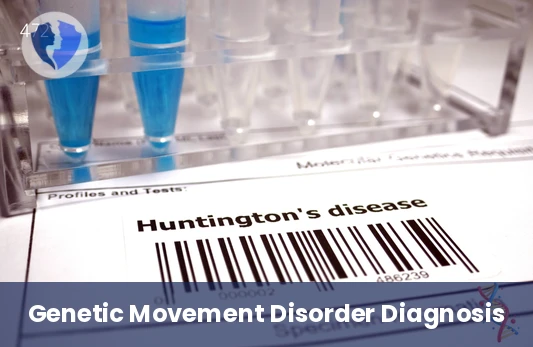

Huntington's Chorea Test - Early Huntington Detection
Service type Genetic test (Blood)
Duration 10-15 minutes
Fasting Fasting is not required
Prices Starting from 2768.83 SAR

Included Services

  • Huntington's Chorea Test
  • The optimal health guidance based on the result.
  • Personal support services from Lahalak

Medical Service Information

Purpose Test

  • Genetic mutation detection: DNA is examined to identify mutations in the HTT gene, which is responsible for Huntington's disease.
  • Risk assessment: The test can determine whether an individual carries the mutation associated with the disease, helping to evaluate the likelihood of future onset.
  • Diagnosis: If symptoms of Huntington's disease appear, the test can assist in confirming the diagnosis.
  • Care guidance: Based on the results, doctors can provide precise information about treatment options and available support.

Recommended groups

  • Individuals with a family history: People who have first-degree relatives (such as parents or siblings) affected by Huntington's disease.
  • Symptomatic individuals: Those experiencing symptoms such as involuntary tremors, coordination difficulties, or behavioral changes.
  • Individuals planning a family: Those considering having children and wishing to know the likelihood of passing the disease-related gene to offspring.
  • Older adults: Individuals approaching the common onset age (usually between 30 and 50 years) who want to assess risk.
  • Individuals needing psychological support: To help manage anxiety regarding potential disease onset.

Symptoms indicative

  • Involuntary movements: Such as tremors or shakes that cannot be controlled.
  • Coordination difficulties: Problems with walking, balance, or performing fine motor tasks.
  • Behavioral changes: Such as anxiety, depression, or unexplained mood swings.
  • Cognitive or memory issues: Difficulty concentrating or recalling information.
  • Family history of the disease: Presence of Huntington’s disease in family members.

FAQs

  • What is the Huntington's Test? It is a test used to detect genetic mutations associated with Huntington's disease.
  • Why is this test performed? To determine whether a person carries the gene responsible for the disease, especially if there is a family history.
  • How is the test conducted? A blood or saliva sample is collected, and DNA is analyzed in the laboratory.
  • What are the possible results? Results can be positive (mutation present) or negative (mutation absent).
  • What does a positive result mean? It indicates the presence of the mutation associated with Huntington's disease, meaning an increased risk of developing the disease in the future.
  • Are there any risks in performing this test? The test is generally safe but may cause anxiety or stress about the results.

Normal Levels

  • Negative result: Indicates the HTT gene mutation is absent, meaning the person does not carry the gene associated with Huntington's disease.
  • Positive result: Indicates the mutation is present, meaning the person carries the gene and may develop the disease in the future.

Conditions & Notices

  • The terms and conditions announced on the "Lahalak" medical platform apply.
  • There are no special conditions for the service other than those mentioned.

Medical services you might also like