BRAF Gene Mutation Test in KSA | Lahalak Platform

An advanced genetic test to detect BRAF gene mutations associated with certain cancers, aiding in early diagnosis and determining the most appropriate and precise treatment plan.

Prices starts from: 760.32 SAR

Scientific name: BRAF Gene Mutation Test

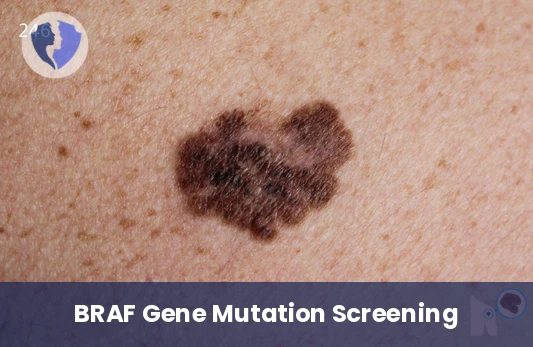
BRAF analysis (BRAF gene analysis) is a genetic test used to detect mutations in the BRAF gene, which is considered one of the important genes involved in cell growth signaling pathways. This analysis helps diagnose certain types of cancer, especially skin cancer (melanoma), and can also be used in other cancers such as colorectal and lung cancer....

BRAF Gene Mutation Test
Service type Genetic test (Blood)
Duration 10-15 minutes
Fasting Fasting is not required
Prices Starting from 760.32 SAR

Included Services

  • BRAF Test
  • The optimal health guidance based on the result.
  • Personal support services from Lahalak

Medical Service Information

Purpose Test

  • BRAF Gene Mutations: Such as the most common mutation, V600E, which is a key biomarker in melanoma and other types of cancer.
  • Cancer Diagnosis: Helps determine if the cancer is associated with BRAF gene mutations, enabling precise diagnosis by physicians.
  • Guiding Treatment Options: BRAF mutations are important indicators for selecting targeted therapies, such as BRAF inhibitors, which are more effective in patients carrying these mutations.
  • Assessing Treatment Response: The test can be used to monitor changes in mutations after starting treatment, helping evaluate patient response.

Recommended groups

  • Patients with Skin Cancer (Melanoma): Especially those with advanced or metastatic stages, as BRAF gene mutations are important indicators for determining treatment options.
  • Patients with Colon Cancer: BRAF gene mutations may indicate a poorer prognosis and affect treatment decisions.
  • Patients with Non-Small Cell Lung Cancer: Test results can help guide appropriate treatment.
  • Patients with Other Malignant Tumors: Such as adenocarcinomas or lymphomas, especially if there is a family history of cancer.
  • Individuals with a Family History of Melanoma: For early assessment and potential mutation detection.
  • Patients Showing Unexplained Symptoms: Such as tumor spread or failure to respond to conventional treatment, where BRAF testing can help identify possible causes.

Symptoms indicative

  • New Skin Lesion Appearance: Especially if it changes in shape, color, or size.
  • Changes in Existing Moles: Such as increased size, color change, or irregular borders.
  • Skin Cancer Symptoms: Such as itching or bleeding from moles or skin lumps.
  • Unexplained Weight Loss: Which may indicate cancer progression.
  • Unexplained Tumor-Related Symptoms: Such as extreme fatigue or persistent pain in certain areas.
  • Signs of Colon Cancer: Such as changes in bowel habits, rectal bleeding, or abdominal pain.

FAQs

  • What is BRAF Test? A genetic test used to detect mutations in the BRAF gene, which is associated with certain types of cancer, such as skin cancer and colon cancer.
  • When is this test recommended? It is recommended at the diagnosis of skin cancer, or when there is suspicion of colon cancer or any other cancers linked to the BRAF gene.
  • How is the test performed? A blood or tissue sample is collected and analyzed in the laboratory using genetic techniques to detect mutations.
  • Does the test require any preparations? Usually, no special preparations are needed, but it is recommended to inform the doctor about any medications or supplements being taken.
  • How long does it take to get results? Results usually take several days to a week, depending on the laboratory and testing procedures.
  • Is the test painful? Blood draw or tissue sampling may cause some discomfort, but it is not considered highly painful.

Normal Levels

  • Positive Result: Indicates the presence of a mutation in the BRAF gene, such as the V600E mutation, which is an important biomarker in certain cancers like melanoma and colon cancer.
  • Negative Result: Indicates that no known mutations in the BRAF gene are detected, suggesting the patient does not carry mutations associated with specific cancers.

Conditions & Notices

  • The terms and conditions announced on the "Lahalak" medical platform apply.
  • There are no special conditions for the service other than those mentioned.

Medical services you might also like