Bone Density Test (DEXA) Price | Lahalak Platform

A precise test measuring bone strength and mineral density to detect osteoporosis and assess fracture risks, helping you maintain a healthy and strong skeletal system.

Prices starts from: 500 SAR

Scientific name: Bone Density Test (DEXA)

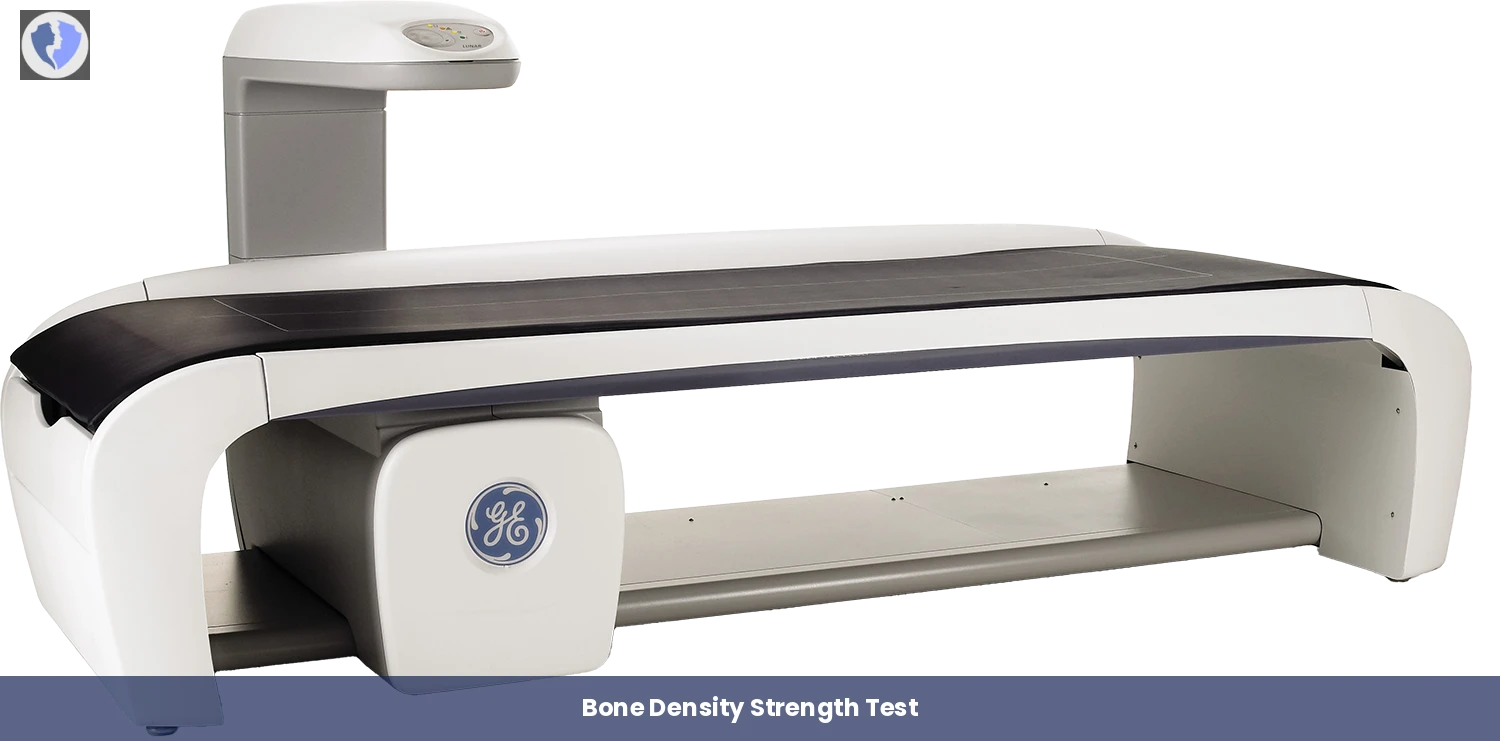
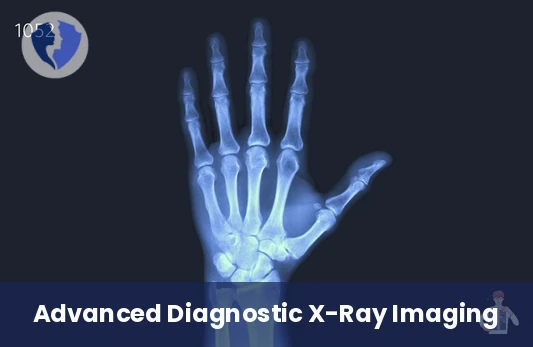
The Bone Mass Density Scan (B-XR Bone Mass Density Scan) is an important medical test used to evaluate bone health and detect the risk of osteoporosis. This scan uses low-dose X-ray technology to measure bone mineral density, providing accurate information about bone strength and the likelihood of fractures. It is recommended for women over the age...
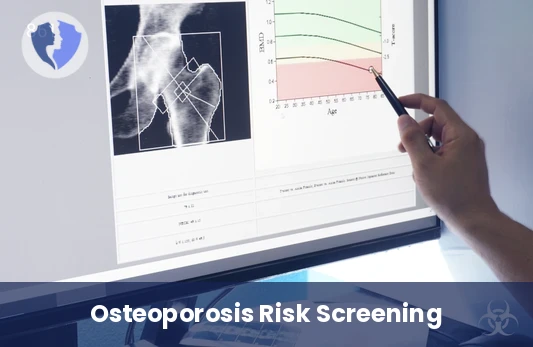
Bone Density Test (DEXA) - Bone Density DEXA Scan
Service type Radiology (DEXA Scan)
Duration 15-20 minutes
Fasting Fasting is not required
Prices Starting from 500 SAR

Included Services

  • B-XR Bone Mass Density Scan
  • The optimal health guidance based on the result.
  • Personal support services from Lahalak

Medical Service Information

Indicative symptoms

  • Frequent or Unexplained Fractures: Fractures that occur easily or as a result of minor injuries.
  • Loss of Height: Noticeable reduction in height with age.
  • Back Pain: Persistent or sudden back pain, especially when associated with changes in posture or height.
  • Family History of Osteoporosis: Having family members diagnosed with osteoporosis or unexplained fractures.
  • Additional Risk Factors: Long-term use of corticosteroids or medical conditions that affect calcium absorption.
  • Lack of Physical Activity: A sedentary lifestyle can increase the risk of osteoporosis.

Recommended groups

  • Women over 50: The risk of osteoporosis increases significantly after menopause.
  • Men over 60: Especially those with additional risk factors for bone loss.
  • Individuals with a family history of osteoporosis: A family history increases the likelihood of developing the condition.
  • People with recurrent fractures: Particularly if the fractures occurred after minor injuries.
  • Patients on long-term corticosteroid therapy: These medications can negatively affect bone density.
  • Individuals with health conditions affecting calcium absorption: Such as celiac disease or hyperthyroidism.

Recommendations After Scan

  • Discuss the results with your doctor: Schedule a follow-up appointment to review your results and better understand your bone health.
  • Adopt a healthy lifestyle: Maintain a balanced diet rich in calcium and vitamin D to strengthen your bones.
  • Exercise regularly: Engage in weight-bearing and strength-training exercises to improve bone density.
  • Reduce smoking and alcohol consumption: If you smoke or drink excessively, work on minimizing these habits.
  • Continue regular monitoring: Discuss with your doctor whether periodic scans are needed to track your bone health.
  • Take supplements if recommended: Follow your doctor’s advice regarding calcium or vitamin D supplements.

FAQs

  • What is a Bone Density Scan? It is a test that uses X-ray technology to measure the mineral density of bones, helping to assess bone health and detect the risk of osteoporosis.
  • How is the test performed? The patient lies on an examination table while a special device measures bone density in specific areas such as the spine and hips.
  • Is the test painful? No, the scan is completely painless and does not require any injections or anesthesia.
  • How long does the test take? The procedure usually takes between 10 and 30 minutes.
  • Does the patient need to fast before the test? Fasting is not usually required, but it’s best to follow any special instructions provided by your doctor.
  • How are the results analyzed? A radiologist reviews and interprets the results, then prepares a report detailing bone density levels and fracture risk.

Conditions & Notices

  • The terms and conditions announced on the "Lahalak" medical platform apply.
  • There are no special conditions for the service other than those mentioned.

Medical services you might also like