Preparing service availability
Loading related services

Bone Mineral Densitometry (BMD)
Accurate test to measure bone strength and detect osteoporosis early, especially for those over 50, to prevent future fracture risks.
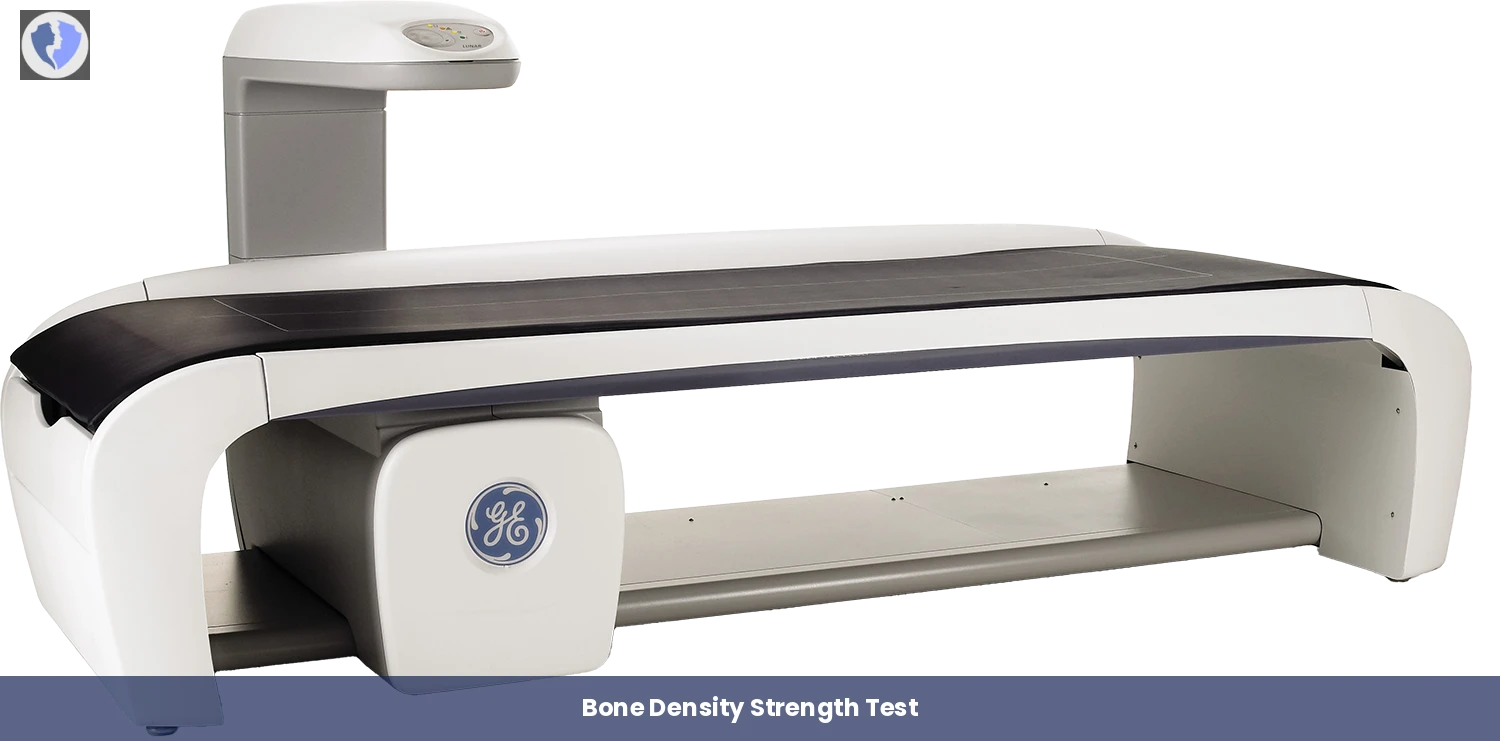
1. Definition: A quantitative measurement of bone mineral density using Dual-energy X-ray Absorptiometry (DXA/DEXA). 2. Physical Principles: Radiation Source: An X-ray tube that produces two separate beams with different energy levels (~40 and ~70 keV). Detection: It measures the difference in absorption between bone tissue and soft tissue. Unit of Measurement: Bone Mineral Density (BMD) expressed in g/cm². 3. Measurement Sites: Lumbar Spine (L1-L4): The most sensitive area for detecting early changes. Femoral Neck (Hip): Used to predict the risk of hip fractures. Forearm: Utilized when the primary sites cannot be measured. Total Body: Typically used for pediatric assessments and clinical research. 4. Primary Metrics: T-score: A comparison of the patient’s bone density with the peak bone mass of a healthy young adult. Z-score: A comparison with the expected bone density for the patient’s specific age, sex, and ethnicity. BMD (g/cm²): The absolute density value.
Short answers to the FAQs published with this service.
Each provider has one service price, then you choose from its available branches.
Use Labeeb smart tools to understand reports related to (Radiology), or search the platform directory directly.
We can help request the service and prepare your inquiry, or you can ask Labeeb to guide you to the most suitable category or service.
Related services