Anti Thrombin III Test Booking | Lahalak Platform

Measure your Antithrombin III levels to understand your body's natural ability to regulate blood clots. This essential test helps prevent dangerous clotting events and supports overall cardiovascular safety.

Prices starts from: 63.36 SAR

Scientific name: Antithrombin III Test

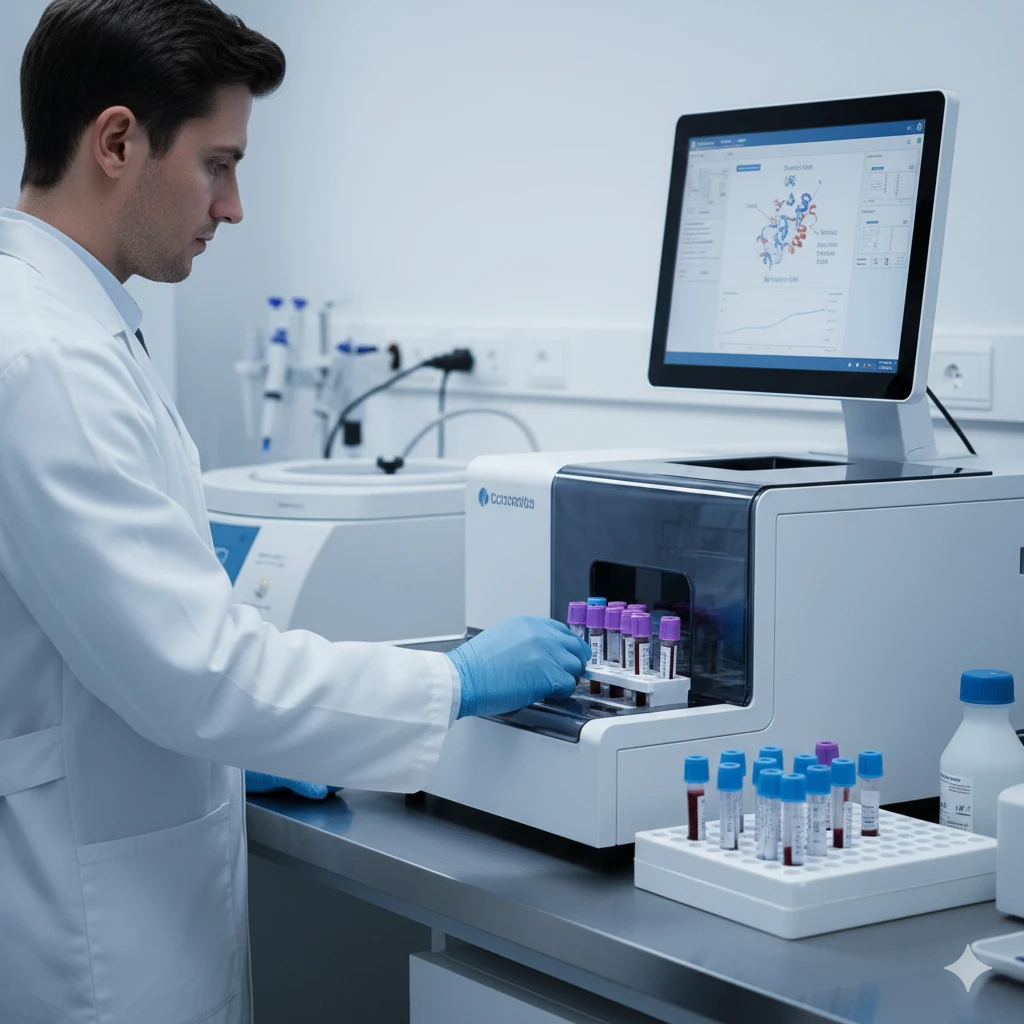
Analysis of antithrombin III level (Anti Thrombin III, Citrated Plasma) is a test used to determine the level of antithrombin III protein in plasma, which is an important factor in regulating the blood clotting process. This test is considered a valuable tool for diagnosing and monitoring disorders associated with blood clotting, such as antithromb...

Antithrombin III Test - Blood Clotting Balance Test
Service type Laboratory test (Blood)
Duration 10-15 minutes
Fasting Fasting is not required
Prices Starting from 63.36 SAR

Included Services

  • Anti Thrombin III, Citrated Plasma Test
  • The optimal health guidance based on the result.
  • Personal support services from Lahalak

Medical Service Information

Purpose Test

  • Diagnosing antithrombin III deficiency: Deficiency can increase the risk of blood clots.
  • Assessing blood clotting conditions: Such as unexplained venous or arterial thrombosis.
  • Monitoring effectiveness of anticoagulant therapy: Particularly in patients receiving blood-thinning medications.
  • Evaluating risks during pregnancy: Antithrombin III deficiency can affect both maternal and fetal health.

Recommended groups

  • Patients with recurrent blood clots: Such as unexplained venous or arterial thrombosis.
  • Individuals with a family history of clotting disorders: There may be a hereditary predisposition to thrombosis.
  • Patients receiving anticoagulant therapy: To assess treatment effectiveness and adjust dosages.
  • Pregnant women: Especially if they have risk factors for blood clots.
  • Individuals with unexplained symptoms: Such as swelling or limb pain, which may indicate clot formation.

Symptoms indicative

  • Blood clots: Such as venous or arterial thrombosis, especially if recurrent or unexplained.
  • Pain and swelling in the limbs: May indicate the presence of venous thrombosis.
  • Difficulty breathing: Could result from a pulmonary embolism.
  • Family history of clotting disorders: With similar symptoms observed in family members.
  • Unexplained changes in laboratory results: Such as unexpected increases in coagulation factor levels.

FAQs

  • How long does it take to get the results? Results usually take 2 days to a week.
  • Does the test require fasting? No, fasting is usually not required, but it is recommended to follow the doctor’s instructions.
  • How is the test performed? A blood sample is drawn from a vein using a special needle.
  • What does a positive result indicate? A positive result may indicate antithrombin III deficiency, increasing the risk of blood clots.
  • Is the test safe? Yes, the blood draw is safe, though minor bruising at the site may occur.
  • What should I do if the results are positive? Discuss the results with your doctor to determine the next steps and appropriate treatment.

Normal Levels

  • Reference range: 70% - 120% of the standard reference value.
  • Clinical significance: Any level below this range indicates antithrombin III deficiency, which may increase the risk of blood clots.

Conditions & Notices

  • The terms and conditions announced on the "Lahalak" medical platform apply.
  • There are no special conditions for the service other than those mentioned.

Medical services you might also like