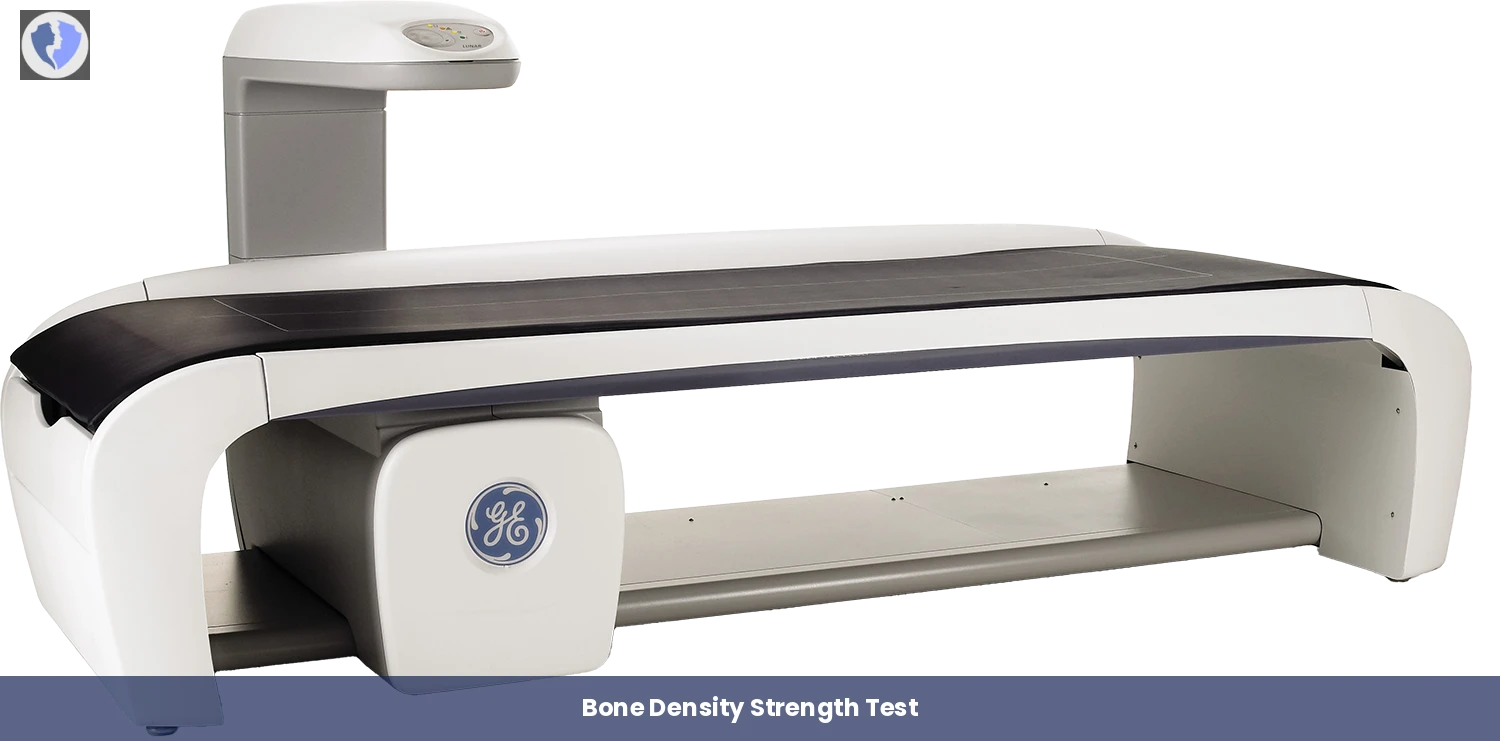
Bone Density Scan (DEXA) - Bone Mineral Densitometry (BMD)
1. Definition: A quantitative measurement of bone mineral density using Dual-energy X-ray Absorptiometry (DXA/DEXA). 2. Physical Principles: Radiation Source: An X-ray tube that produces two separate beams with different energy levels (~40 and ~70 keV). Detection: It measures the difference in absorption between bone tissue and soft tissue. Unit of Measurement: Bone Mineral Density (BMD) expressed in g/cm². 3. Measurement Sites: Lumbar Spine (L1-L4): The most sensitive area for detecting early changes. Femoral Neck (Hip): Used to predict the risk of hip fractures. Forearm: Utilized when the primary sites cannot be measured. Total Body: Typically used for pediatric assessments and clinical research. 4. Primary Metrics: T-score: A comparison of the patient’s bone density with the peak bone mass of a healthy young adult. Z-score: A comparison with the expected bone density for the patient’s specific age, sex, and ethnicity. BMD (g/cm²): The absolute density value.