
Lahalak Medical PlatformDifferentiate Care
A comprehensive medical guide on Pelvic Congestion Syndrome (PCS) after childbirth. Learn about symptoms, diagnosis, estimated costs in Saudi Arabia, and recovery.
Advertisement
The postpartum period is a time of profound physical and hormonal transition for new mothers. While some discomfort is a normal part of recovery, persistent chronic pelvic pain may indicate an underlying medical condition known as Postpartum Pelvic Congestion Syndrome (PCS).
Pelvic Congestion Syndrome is caused by varicose veins in the pelvis, leading to poor blood flow and pooling of blood within these vessels. During pregnancy, blood volume increases significantly and pelvic vessels expand to support the fetus. Combined with hormonal changes—such as elevated estrogen levels that relax vein walls—veins can lose their elasticity and valvular function, resulting in chronic congestion and pain after childbirth.
The hallmark of PCS is chronic pelvic pain lasting for more than 6 months. This pain is typically described as a dull, heavy ache that worsens with prolonged standing or physical activity and improves when lying down. The following table compares normal postpartum recovery pain with pelvic congestion syndrome:
| Comparison | Normal Postpartum Recovery Pain | Pelvic Congestion Syndrome (PCS) |
|---|---|---|
| Duration | Gradually subsides within 6 to 8 weeks | Persists for more than 6 months postpartum |
| Pain Character | Intermittent cramping associated with uterine involution | Dull, heavy, aching, or dragging sensation |
| Aggravating Factors | Improves over time and with simple analgesics | Worsens with prolonged standing and physical exertion |
It is highly recommended to consult a healthcare specialist if pelvic pain persists for several months postpartum, or if the pain interferes with daily activities and caring for your newborn. Early diagnosis is key to establishing an effective management plan and preventing symptom progression.
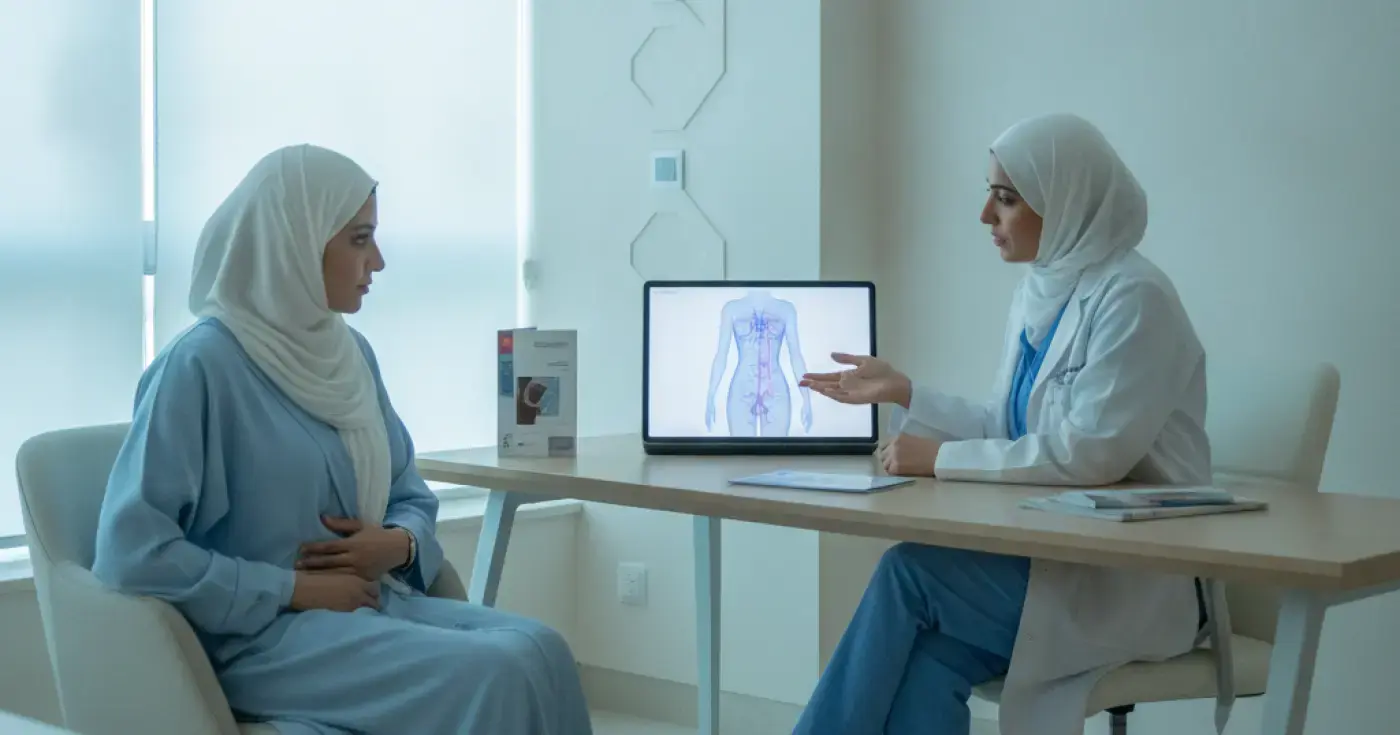
In clinical practice, many new mothers express anxiety that their pain might indicate a severe disease or affect future pregnancies. It is common for patients to dismiss their symptoms as standard postpartum fatigue, which often delays proper diagnosis. During a clinical visit, the physician focuses on taking a detailed medical history, ruling out other causes of pelvic pain (such as endometriosis or pelvic inflammatory disease), and recommending appropriate imaging like transvaginal ultrasound or pelvic MRI.
Treatment options range from medical hormonal therapy to minimally invasive procedures such as pelvic vein embolization. Potential risks and complications vary from patient to patient based on overall health, medical history, and the specific procedure. For pelvic vein embolization, risks may include temporary bruising at the catheter insertion site, allergic reactions to contrast dye, or very rarely, coil migration. Discussing these risks thoroughly with your physician and adhering to pre- and post-procedure guidelines is essential.
The cost of diagnosing and treating Pelvic Congestion Syndrome in Saudi Arabia varies depending on the medical facility, the specialist's expertise, and the required intervention. Approximately, diagnostic imaging (such as pelvic ultrasound and MRI) ranges from 1,500 to 3,500 SAR. If pelvic vein embolization is indicated, the total cost in private hospitals can range from 15,000 to 30,000 SAR. Many health insurance policies may cover these procedures subject to medical necessity approval.
To safely alleviate symptoms, avoid standing or sitting for prolonged periods without movement, elevate your legs when resting to improve venous return, practice pelvic floor exercises (Kegels) after consulting your doctor, maintain a healthy weight, and prevent chronic constipation to reduce pelvic pressure.
The information provided in this article is for educational and health awareness purposes only. It is not a substitute for professional medical advice, diagnosis, or treatment tailored to your individual health condition.
Clear, direct answers
Advertisement