
Lahalak Medical PlatformDifferentiate Care
Learn about Neuromuscular Electrical Stimulation (NMES) for pelvic floor strengthening. Discover indications, clinical insights, risks, and estimated costs in Saudi Arabia.
Advertisement
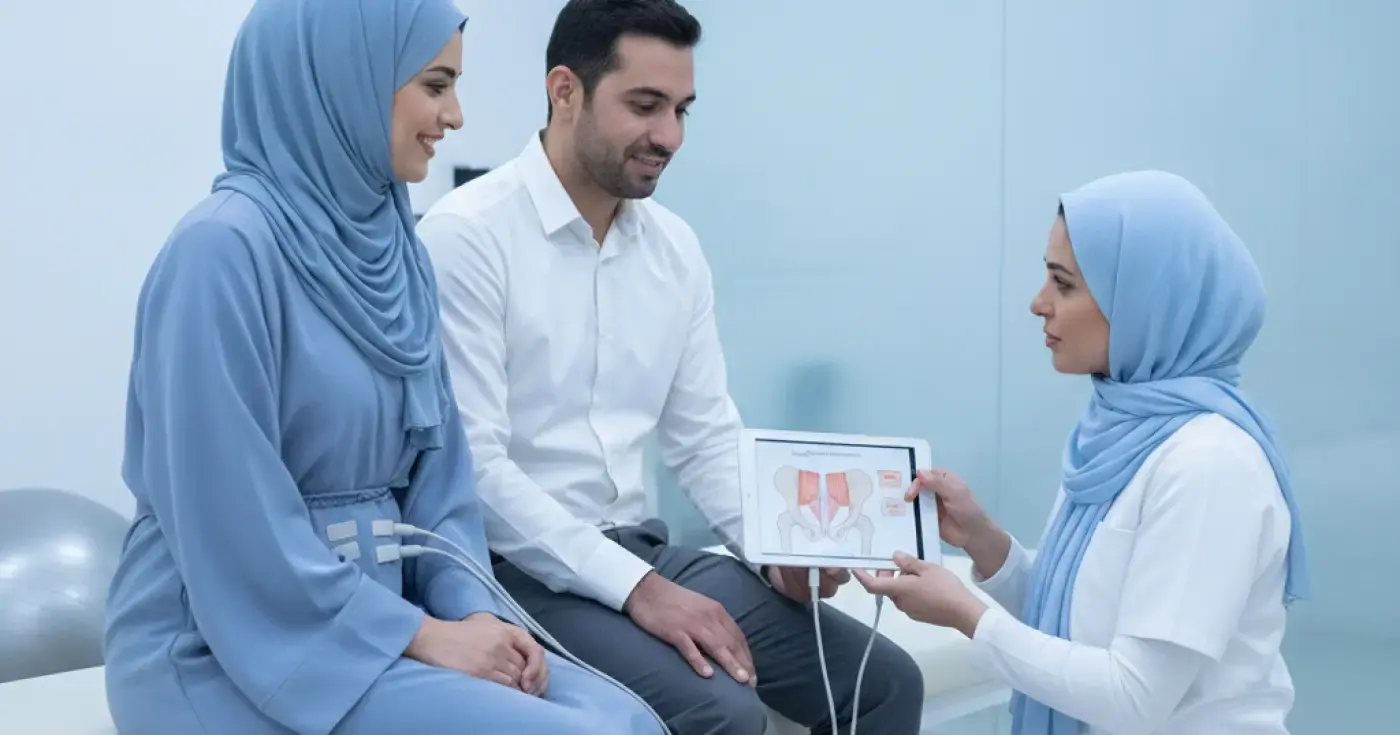
Pelvic floor muscle health is a vital component of overall physical, emotional, and intimate well-being for couples. Weakness in these muscles, often caused by childbirth, aging, chronic coughing, or pelvic surgeries, can lead to issues like urinary incontinence and reduced intimate satisfaction. Fortunately, modern non-surgical therapies like Neuromuscular Electrical Stimulation (NMES) offer an effective, safe, and scientifically backed solution to rehabilitate and strengthen these essential muscles.
Neuromuscular Electrical Stimulation (NMES) is a therapeutic modality that uses low-frequency electrical currents to stimulate the nerves supplying the pelvic floor muscles. Delivered via specialized, safe clinical devices, these mild impulses cause the muscles to contract and relax rhythmically. This passive exercise helps retrain weak muscles, increases localized blood circulation, and restores the supportive function of the pelvic floor for organs such as the bladder, uterus, and bowel.
Pelvic floor health is a shared journey for couples. NMES is highly beneficial for various indications, including:
Clinical data shows that pelvic floor issues are highly prevalent but respond exceptionally well to conservative physical therapies:
| Condition | Approximate Prevalence | Improvement Rate with Conservative Therapy (NMES) |
|---|---|---|
| Postpartum Urinary Incontinence | 30% - 40% of women | 60% - 80% significant improvement |
| Post-Prostatectomy Muscle Weakness | 20% - 30% of men | Gradual recovery within 3 to 6 months |
In clinical practice, many couples initially feel hesitant or embarrassed to discuss pelvic floor dysfunction. Patients often worry about pain or the clinical nature of the procedure. In a professional setting, therapists prioritize patient comfort, privacy, and education. The electrical stimulation is carefully calibrated to the patient's comfort level, starting with a gentle tingling sensation. Most patients report a significant boost in confidence and bladder control within the first few weeks of consistent therapy, transforming their daily and marital life.
While NMES is a safe, non-invasive procedure, outcomes and risks can vary based on individual health status, medical history, and clinical evaluation. Potential risks and contraindications include:
A thorough clinical assessment by a qualified physician or physical therapist is mandatory to ensure patient safety and customize the treatment plan.
The cost of pelvic floor NMES therapy in Saudi Arabia varies depending on the medical center, geographic location, and the expertise of the clinical team. On average, the estimated costs are:
Patients are advised to consult local accredited physical therapy clinics to inquire about comprehensive pelvic rehabilitation packages.
To maximize and maintain the benefits of NMES sessions, couples are encouraged to adopt the following healthy habits:
The information provided in this article is for educational and public health awareness purposes only. It does not substitute for professional medical advice, diagnosis, or treatment. Always consult a qualified healthcare provider or physical therapist to evaluate your condition and determine if NMES is appropriate for you.
Clear, direct answers
Advertisement
Continue exploring

Learn about the importance of testing choline, vitamin B12, and folate levels during lactation to support your baby's brain development. Costs in KSA included.
Read article
Discover the importance of postpartum magnesium testing for muscle recovery and pelvic pain relief, including estimated costs in Saudi Arabia.
Read article
Learn about the importance of monitoring kidney function and proteinuria after preeclampsia, test timelines, estimated costs in KSA, and clinical insights.
Read articleExplore the topic