
Lahalak Medical PlatformDifferentiate Care
Learn how communication skills training helps new parents manage postpartum stress, resolve conflicts, and maintain a healthy relationship after childbirth.

Advertisement
The arrival of a new baby is a joyous milestone, but it also brings profound physical, emotional, and social changes. New parents often face sleep deprivation, hormonal shifts, and a sudden restructuring of daily routines. These challenges can strain even the strongest relationships. Interpersonal Communication Skills Training for new parents offers a structured, evidence-based approach to help couples navigate this transition together, fostering mutual support and protecting maternal and paternal mental health.
This training is a psychoeducational intervention designed to equip couples with practical tools to manage the unique stressors of the postpartum period. It focuses on active listening, expressing needs constructively without blame, managing conflicts before they escalate, and establishing a fair division of household and childcare responsibilities. By strengthening the partner relationship, this training indirectly supports the infant's emotional development and reduces the risk of postpartum mood disorders.
While minor disagreements are normal, certain signs indicate that professional support is needed. Couples should consider consulting a licensed family counselor, psychologist, or healthcare provider if they experience persistent feelings of resentment, a complete breakdown in communication, signs of postpartum depression (such as persistent sadness, anxiety, or withdrawal in either partner), or if conflicts begin to impact their ability to care for the newborn.
In clinical practice, we frequently observe that new parents enter therapy feeling overwhelmed and isolated. A common misconception is that relationship strain after childbirth is a sign of incompatibility, whereas it is usually a predictable response to extreme fatigue and role confusion. During consultations, specialists help couples identify hidden expectations and teach them to replace accusatory "you" statements with expressive "I" statements, transforming daily friction into opportunities for connection.
Ignoring relationship distress and chronic stress during the postpartum period can lead to significant complications. These risks vary from one family to another based on individual health histories, social support, and clinical evaluation. Potential complications include an increased risk of clinical postpartum depression and anxiety, chronic marital dissatisfaction, and impaired parent-infant bonding. Addressing these issues early with professional guidance is crucial for the long-term well-being of the entire family.
The cost of professional family counseling and communication training sessions in the Kingdom of Saudi Arabia varies depending on the clinic, the provider's qualifications, and the region. On average, a single private session ranges from 300 SAR to 800 SAR. Some healthcare centers and non-profit family support organizations offer subsidized or group programs at lower rates.
| Statistic Category | Estimated Percentage / Impact | Source Context |
|---|---|---|
| Couples experiencing relationship decline post-birth | Approximately 60% to 70% | Global Psychological Studies |
| Maternal postpartum depression prevalence | 10% to 15% | World Health Organization (WHO) |
| Paternal postpartum depression prevalence | Up to 10% | Clinical Observational Studies |
To maintain a healthy partnership, consider these safe, practical strategies: 1. Schedule brief daily check-ins to discuss feelings, not just logistics. 2. Practice active listening by summarizing what your partner said before responding. 3. Divide tasks explicitly to avoid unspoken expectations. 4. Prioritize self-care and allow each other short breaks to rest.
This article is intended solely for educational and informational purposes. It does not constitute medical diagnosis, treatment, or professional psychological advice. Always consult a qualified healthcare provider or licensed therapist to address your specific health and relationship needs.
Clear, direct answers
Advertisement
Continue exploring
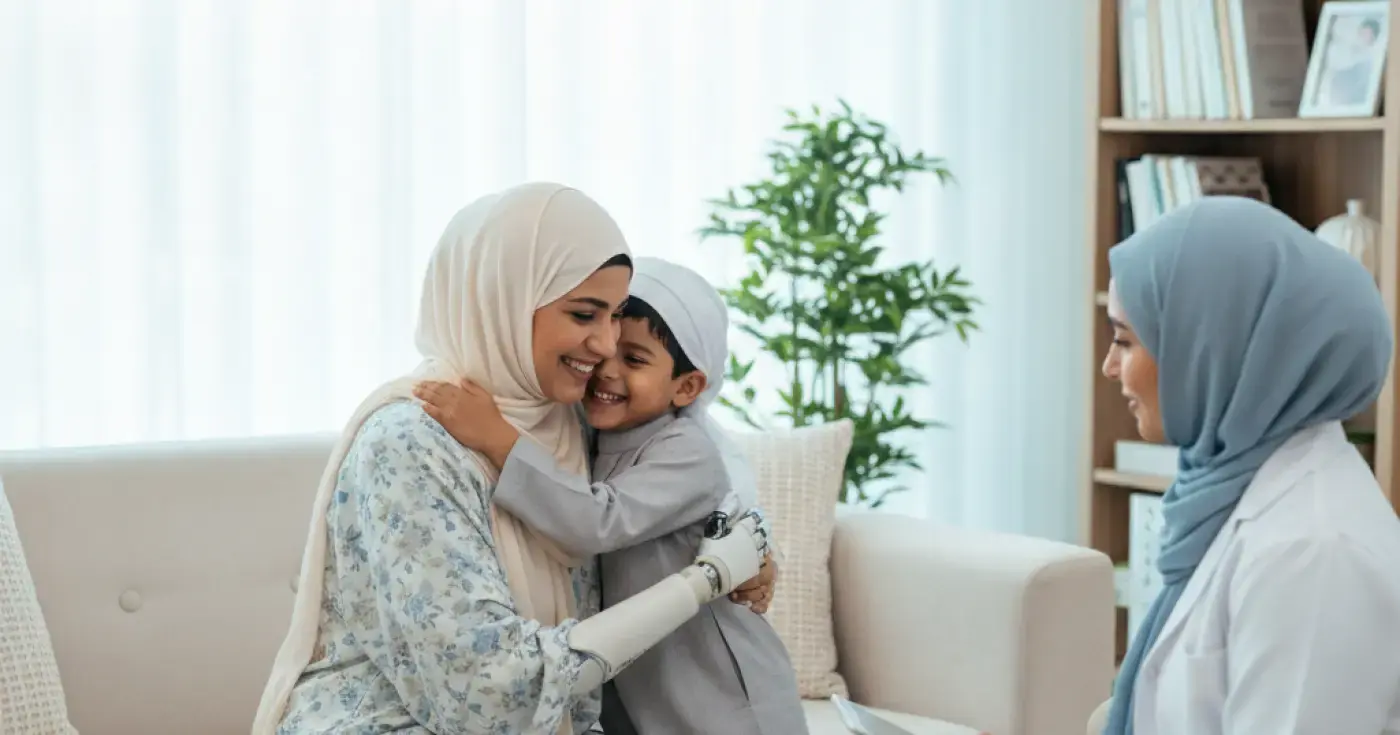
Discover the importance of mental health support programs for mothers with physical disabilities, psychological challenges, practical tips, and estimated costs in Saudi Arabia.
Read article
Explore how nutritional psychiatry supports postpartum mental health. A comprehensive guide for couples on replenishing Omega-3 and B vitamins to stabilize mood.
Read article
Learn about matrescence, the psychological and hormonal transition into motherhood, and how specialized counseling in Saudi Arabia supports new mothers.
Read articleExplore the topic
Mental Health Support Program for Mothers with Physical Disabilities: A Comprehensive GuideElixir · Health PanoramaNutritional Psychiatry Program for Postpartum Mood Support: A Couple's GuideElixir · Health PanoramaThe Journey of Matrescence: A Comprehensive Guide to Identity Transition Counseling for New MothersElixir · Health Panorama