
Lahalak Medical PlatformDifferentiate Care
Learn why blood typing and Rh factor testing before pregnancy are vital, how Rh incompatibility works, and the role of Anti-D prophylaxis.

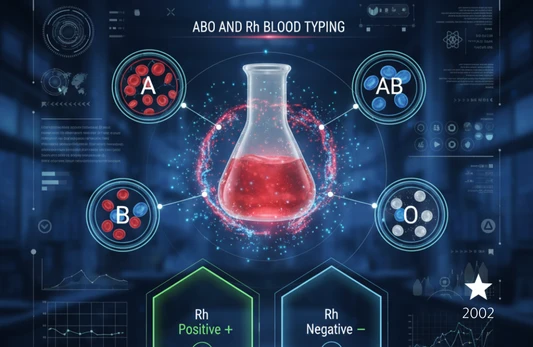
Blood typing and Rh factor screening are standard, highly essential prenatal lab tests recommended before conceiving or during the first prenatal visit. This straightforward blood test determines a woman's ABO blood group and Rhesus (Rh) status, offering healthcare providers crucial insight into potential blood type incompatibility between mother and fetus.
Early screening plays a pivotal role in preventing severe hemolytic complications in future pregnancies. With timely medical evaluation and preventive interventions, managing Rh status has become a routine, safe, and highly successful part of prenatal care.
2>What is the Rh Factor and How Does It Work?
The Rh factor is an inherited protein found on the surface of red blood cells in the majority of individuals. If this protein is present, your blood type is Rh-positive; if absent, your blood type is Rh-negative.
Knowing your Rh status prior to pregnancy enables medical providers to implement early prophylactic strategies to shield the fetus from immune-mediated responses.
Rh incompatibility occurs when an Rh-negative mother carries an Rh-positive fetus (inherited from an Rh-positive father). During a first pregnancy, this scenario rarely causes complications because maternal and fetal blood circulations remain largely separate.
However, during delivery, miscarriage, or unexpected prenatal bleeding, small amounts of Rh-positive fetal red blood cells can cross into the maternal circulation. The mother's immune system recognizes these fetal cells as foreign and produces antibodies against them—a process known as Rh sensitization.
Once maternal Rh antibodies are formed, they remain permanently in the mother's immune memory. In subsequent pregnancies with an Rh-positive fetus, these antibodies can cross the placenta and destroy fetal red blood cells, leading to a condition known as Hemolytic Disease of the Fetus and Newborn (HDFN).
Undergoing a blood type and Rh factor test offers essential medical benefits:
The following table summarizes compatibility scenarios between parents and the clinical need for preventive Anti-D administration:
| Mother's Rh Status | Father's Rh Status | Possible Fetal Rh Status | Anti-D Immunoglobulin Need |
|---|---|---|---|
| Rh Positive | Rh Positive or Negative | Rh Positive or Negative | Not needed (No Rh incompatibility risk) |
| Rh Negative | Rh Negative | Rh Negative (Confirmed) | Not required |
| Rh Negative | Rh Positive | Potentially Rh Positive | Recommended and medically indicated |
Blood typing is quick, safe, and requires no special preparation or fasting. The process includes:
The introduction of Anti-D immune globulin is one of modern obstetrics' greatest advancements, virtually eliminating the risks of Rh disease. Anti-D acts by neutralizing fetal Rh-positive red blood cells in maternal circulation before her immune system can recognize them and launch an antibody response.
For unsensitized Rh-negative women, standard clinical protocol includes:
Without preventive intervention, Rh sensitization can lead to fetal complications of varying severity, including:
These severe outcomes are now exceptionally rare due to widespread prenatal screening and routine prophylaxis available in prenatal care clinics.
Clear, direct answers
Connected next steps
 Anti-Rh Antibody Titer TestAn essential test for Rh-negative pregnant women to monitor antibodies and protect the fetus from hemolytic risks, ensuring its safety.
 Blood Grouping and Rh Factor AnalysisA vital procedure to accurately determine your blood type and Rh factor, essential before surgeries, blood donation, and monitoring a safe pregnancy.