
Lahalak Medical PlatformDifferentiate Care
Understand the causes of irregular periods across different age groups. Learn about diagnosis, progressive treatments, and clinical insights for hormonal health.

Advertisement
The menstrual cycle is a vital sign of a woman's overall physical and hormonal health. When irregularities occur, it is natural to feel concerned or anxious. In this comprehensive guide, we explore the causes of irregular periods across different stages of life and outline a progressive approach to prevention, diagnosis, and management.
Medically, a normal menstrual cycle ranges from 21 to 35 days, with bleeding lasting between 2 and 7 days. A cycle is considered irregular if it consistently falls outside this range, if the interval between periods varies significantly from month to month, or if there is a sudden change in blood flow volume.
In the first few years after menarche, irregular cycles are highly common and often normal. This is typically due to an immature hypothalamic-pituitary-ovarian (HPO) axis, which can take several years to fully mature and establish a regular rhythm.
During the reproductive years, irregularities require careful evaluation. Common causes include Polycystic Ovary Syndrome (PCOS), thyroid disorders (hypothyroidism or hyperthyroidism), high stress levels, sudden weight fluctuations, and extreme physical training.
As women approach menopause, estrogen and progesterone levels begin to fluctuate and decline naturally. This hormonal transition often leads to unpredictable, skipped, or irregular periods before they stop completely.
While occasional variations can happen, you should consult a healthcare provider if you experience: a complete absence of periods for more than three consecutive months, unusually heavy bleeding (soaking through pads every hour), bleeding between periods, or severe menstrual pain that does not respond to standard over-the-counter pain relief.
In clinical practice, we frequently observe that patients immediately associate irregular periods with fertility concerns. We always reassure our patients that an irregular cycle is a symptom, not a disease in itself. In most cases, once the underlying cause—whether a minor hormonal imbalance or lifestyle stress—is identified and managed, cycles regulate and fertility outcomes improve significantly.
Potential risks and complications associated with irregular menstruation vary from one individual to another based on the underlying cause, medical history, and clinical evaluation. Unmanaged chronic irregularities can sometimes lead to complications such as iron-deficiency anemia from heavy bleeding, difficulty planning pregnancy due to irregular ovulation, or compromised bone health in cases of prolonged low estrogen. Adhering to a personalized medical plan and regular follow-ups greatly minimizes these risks.
Management often begins with non-invasive steps. Maintaining a balanced diet, keeping a healthy weight, engaging in moderate exercise, and practicing stress-reduction techniques can support hormonal balance.
A clinical evaluation typically involves a detailed medical history, blood tests to check hormone levels (such as thyroid hormones, prolactin, and ovarian hormones), and a pelvic ultrasound to evaluate the uterus and ovaries.
Medical treatment is customized to the specific diagnosis. It may include hormonal therapies to regulate the cycle, medications to manage thyroid function, or targeted treatments to induce ovulation if pregnancy is desired.
We recommend tracking your menstrual cycle and symptoms using a dedicated app, avoiding unprescribed herbal remedies or hormonal supplements, and ensuring you get adequate sleep and rest to support your body's natural rhythms.
Important Disclaimer: The information in this article is for educational purposes only and is not a substitute for professional medical advice, diagnosis, or treatment. Always consult a qualified healthcare provider regarding any medical condition.
Clear, direct answers
Advertisement
Continue exploring

Discover everything you need to know about Polycystic Ovary Syndrome (PCOS), from symptoms and diagnosis to lifestyle tips and clinical insights.
Read article
Discover everything you need to know about uterine fibroids. A compassionate guide covering symptoms, treatments, and clinical insights to support your health journey.
Read article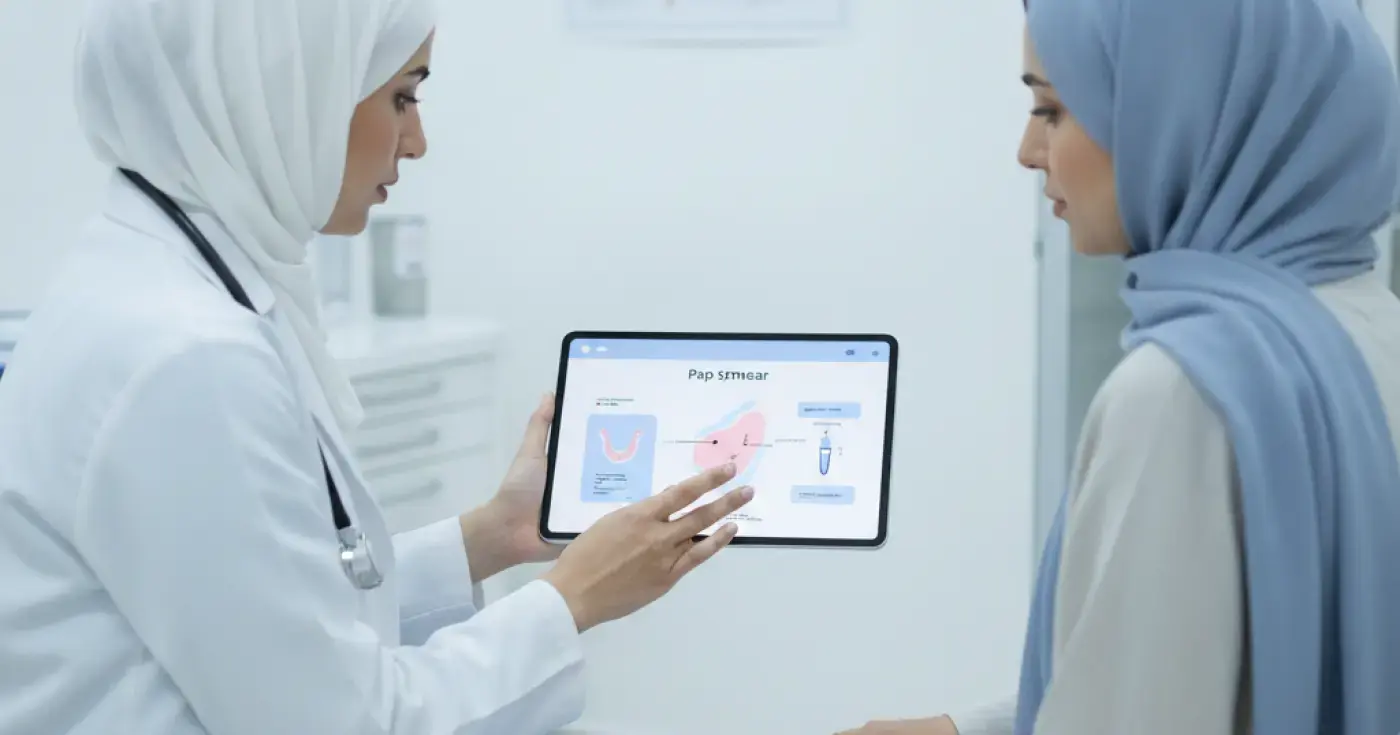
Discover the importance of the Pap smear (Pap test), how to prepare, what to expect during the clinic visit, and guidelines for regular screening.
Read articleExplore the topic