
Lahalak Medical PlatformDifferentiate Care
Learn about the Antithrombin III test, its role in evaluating blood clot risks, causes of deficiency, and how to interpret your lab results accurately.

Advertisement
The human blood coagulation system is a highly sophisticated and balanced mechanism designed to prevent bleeding during injury while simultaneously ensuring that blood flows smoothly without forming abnormal clots inside vessels. A key protein responsible for maintaining this delicate equilibrium is antithrombin (historically known as antithrombin III). Produced primarily by the liver, this protein acts as a natural anticoagulant.
When a physician orders an Antithrombin test, they are evaluating the body's natural capacity to control clotting. Any deficiency or functional impairment in this protein can lead to a state of hypercoagulability (thrombophilia), significantly increasing the risk of life-threatening venous or arterial blood clots.
Antithrombin acts as a critical regulator within the coagulation cascade. It neutralizes several active enzymes involved in clot formation, primarily targeting:
Additionally, antithrombin inactivates other clotting factors, including factors IXa, XIa, and XIIa. The inhibitory activity of antithrombin is enhanced several thousand-fold in the presence of heparin (either naturally occurring in the body or administered as a medication), making it the cornerstone of heparin-based anticoagulant therapy.
This test is not part of routine blood screenings. Instead, it is indicated in specific clinical scenarios requiring a comprehensive clotting risk assessment, such as:
The test is performed on a standard venous blood sample drawn from the arm. However, precise timing and preparation are critical to avoid false or misleading results:
To thoroughly evaluate antithrombin, two types of assays may be utilized:
Results are reported as a percentage of normal activity (with the reference range typically falling between 80% and 120%, depending on the laboratory).
A low level indicates a state of thrombophilia, meaning the patient has an elevated risk of developing blood clots. This deficiency is classified into two main types:
The causes of antithrombin deficiency are broadly divided into two categories:
An autosomal dominant genetic mutation passed down from one or both parents. While rare, inherited antithrombin deficiency carries a high lifetime risk of thromboembolic events.
Much more common in clinical practice, acquired deficiency occurs when underlying medical conditions or external factors reduce production, increase consumption, or cause loss of the protein:
The following table outlines the key differences between inherited and acquired antithrombin deficiencies to assist clinicians and patients in understanding the condition:
| Feature | Inherited Deficiency | Acquired Deficiency |
|---|---|---|
| Primary Cause | Genetic mutations in the SERPINC1 gene. | Liver/kidney disease, acute consumption, or medications. |
| Prevalence | Very rare (affecting approximately 1 in 2,000 to 5,000 individuals). | Common in hospitalized patients and complex clinical settings. |
| Thrombotic Risk | Very high and persistent throughout life. | Variable, depending on the severity and resolution of the underlying cause. |
| Laboratory Diagnosis | Requires confirmation after resolving temporary factors; family screening is advised. | Improves or normalizes once the primary medical condition is treated. |
| Long-term Management | May require lifelong anticoagulation if a prior thrombotic event has occurred. | Focuses on treating the underlying cause (e.g., managing kidney or liver disease). |
Leaving antithrombin deficiency undiagnosed or unmanaged can lead to severe, life-threatening complications, including:
Management strategies depend on whether the patient has an active clot and whether the deficiency is inherited or acquired:
Asymptomatic individuals with inherited deficiency do not typically require continuous lifelong anticoagulation. However, they do require temporary prophylactic therapy during high-risk periods, such as:
When an acute clot occurs, immediate anticoagulant therapy is initiated. In cases of severe deficiency or documented heparin resistance, clinicians may administer intravenous antithrombin concentrates (either plasma-derived or recombinant) to restore normal levels and allow heparin to work effectively.
If you have been diagnosed with antithrombin deficiency, adopting a proactive and healthy lifestyle can significantly lower your risk of developing clots:
Patients diagnosed with antithrombin deficiency must seek emergency medical care immediately if they experience any of the following symptoms:
Utilizing a comprehensive coagulation assessment tool and maintaining regular follow-ups with a hematologist remain the cornerstones of living a safe, active, and healthy life.
Clear, direct answers
Advertisement
Continue exploring
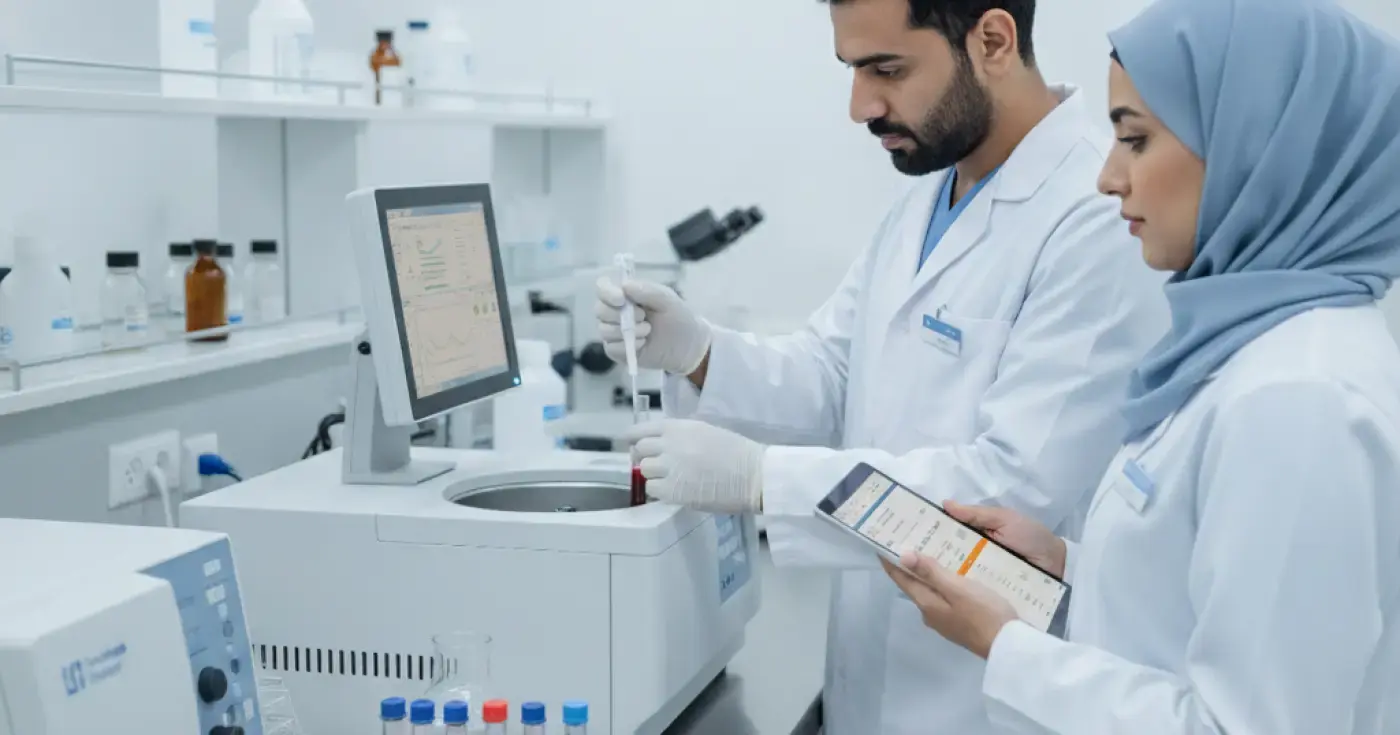
Learn about Von Willebrand Disease (VWD) testing, from screening to specialized panels, preparation, and interpreting results for accurate diagnosis.
Read article
Learn about platelet function testing, its role in diagnosing recurrent bleeding, how it differs from platelet count, and pre-test preparation.
Read article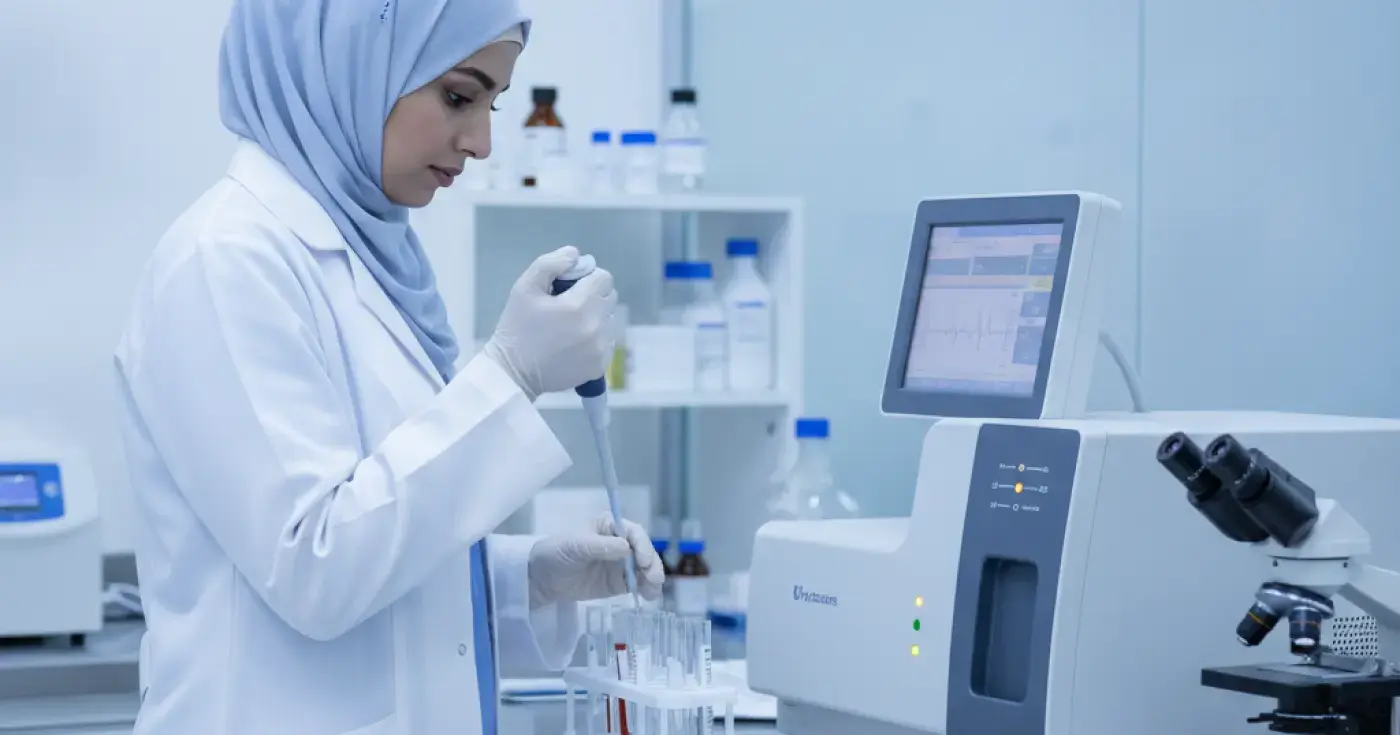
Learn how coagulation factor assays diagnose hemophilia and genetic bleeding disorders. Understand test preparation, results, and clinical insights.
Read articleExplore the topic