
Lahalak Medical Platform
Learn the difference between antibody and antigen tests, how they detect infections, the window period, and how to interpret lab results accurately.
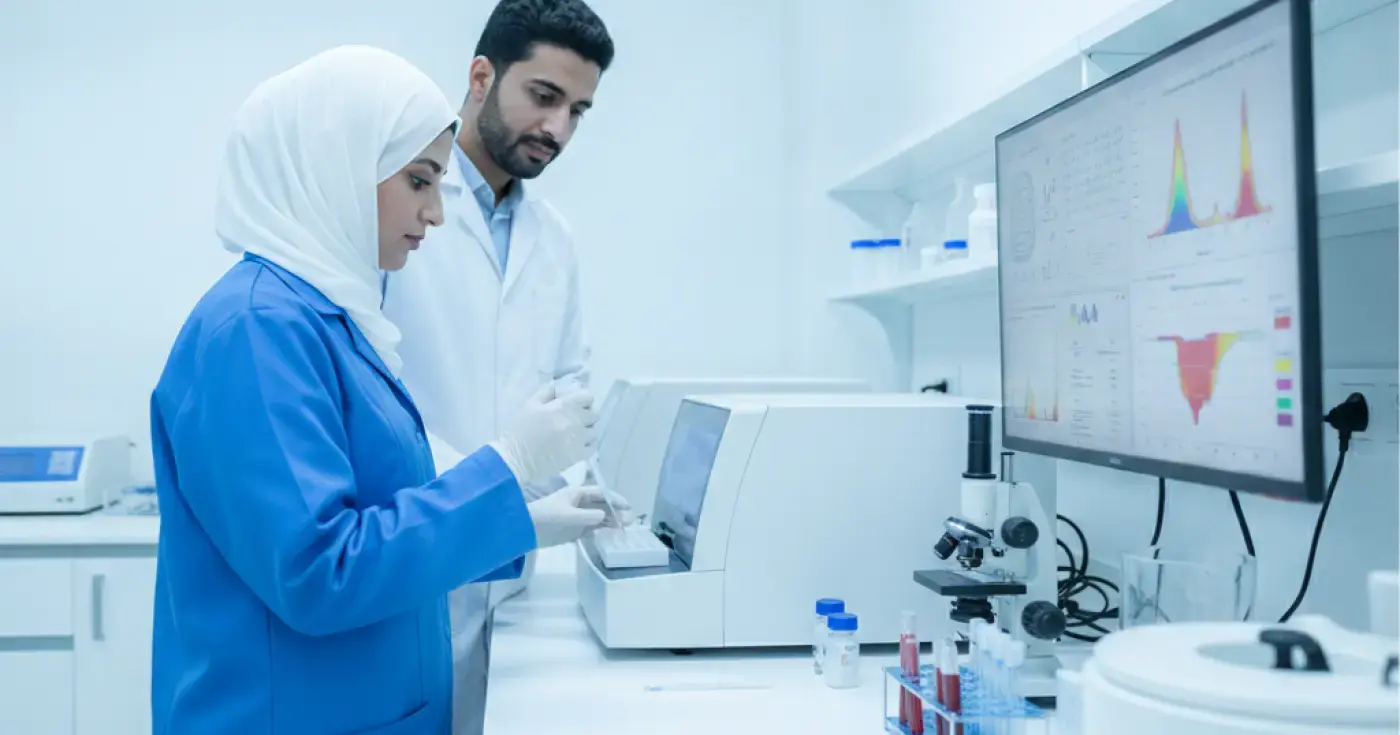
Infectious diseases caused by viruses, bacteria, and parasites remain a significant global health challenge. Fortunately, the human body possesses a highly sophisticated immune system that acts as the primary shield against these pathogens. In tandem, modern laboratory medicine has developed advanced diagnostic tools capable of tracking this immune battle and identifying the causative agents with high precision. Among the most prominent of these tools are antibody tests and antigen tests.
These diagnostic assays help physicians diagnose acute cases, monitor disease outbreaks, and evaluate community immunity levels. In this article, we will explore the scientific mechanisms behind these tests, their fundamental differences, and their pivotal role in modern healthcare within the Kingdom of Saudi Arabia.
To understand how these tests function, it is essential to define the two primary targets they detect:
Antigen tests aim to directly detect the presence of the pathogen in the body. During an active infection, viruses or bacteria replicate and shed their proteins (antigens) into bodily fluids, such as nasal secretions, saliva, or blood.
These tests are highly valued for their speed; rapid antigen tests can deliver results within minutes. They are widely used to diagnose seasonal influenza, SARS-CoV-2 (COVID-19), and streptococcal pharyngitis (strep throat). However, their sensitivity can be lower than molecular tests (like PCR), meaning they may occasionally yield false-negative results if the viral load is low.
Unlike antigen tests, antibody tests (serological assays) do not look for the pathogen itself. Instead, they detect the immunological footprint left by the pathogen. When exposed to an infection, the body takes days or weeks to produce detectable levels of antibodies.
This test is typically performed using a blood sample. It is highly useful for determining whether an individual was infected in the past or has developed immunity through vaccination. Two main classes of antibodies are commonly analyzed:
The following table outlines the key differences between the two types of tests to help patients and healthcare providers understand their optimal clinical utility:
| Feature | Antigen Test | Antibody Test |
|---|---|---|
| What it detects | Pathogen proteins (virus/bacteria) | The body's immune response (antibodies) |
| Sample Type | Nasal/nasopharyngeal swab, or blood (depending on pathogen) | Blood sample (serum or plasma) |
| Optimal Timing | First few days of symptom onset (active infection) | Several weeks after infection or vaccination |
| Primary Goal | Rapid diagnosis of active infection and isolation | Determining past exposure and assessing immunity |
| Turnaround Time | Very fast (usually 15 to 30 minutes) | Requires laboratory processing (ELISA), taking hours |
These diagnostic methods are utilized to identify a broad spectrum of infectious diseases of public health significance, including:
A physician's decision to recommend a medical consultation and order these tests depends on clinical symptoms and medical history:
A critical clinical concept in infectious disease testing is the "window period". This is the time interval between the initial exposure to the pathogen and the point when a diagnostic test can reliably detect it.
If an antibody test is performed too early after exposure, it may yield a "false negative" result because the immune system has not yet produced a detectable level of antibodies. Therefore, proper timing under clinical guidance is essential for accurate results.
Interpreting laboratory results requires clinical expertise and should always be discussed with a healthcare provider:
Medical laboratories in Saudi Arabia adhere to the highest quality standards and infection control measures accredited by the Ministry of Health (MOH) and the Saudi Central Board for Accreditation of Healthcare Institutions (CBAHI). To ensure accurate results, consider the following:
Clear, direct answers
Continue exploring

Learn how a urine culture test diagnoses urinary tract infections, how to read results, and the importance of antibiotic susceptibility testing.
Read article
Learn how a blood culture test helps diagnose bloodstream infections and sepsis, understand the procedure, and interpret positive vs. negative results.
Read article
Learn about the Procalcitonin (PCT) blood test, its role in diagnosing sepsis, differentiating bacterial from viral infections, and guiding antibiotic use.
Read articleExplore the topic