
Lahalak Medical PlatformDifferentiate Care
Learn about key blood tests for evaluating elevated androgen levels in women, including testosterone and DHEA-S, along with clinical evaluation steps.
Advertisement
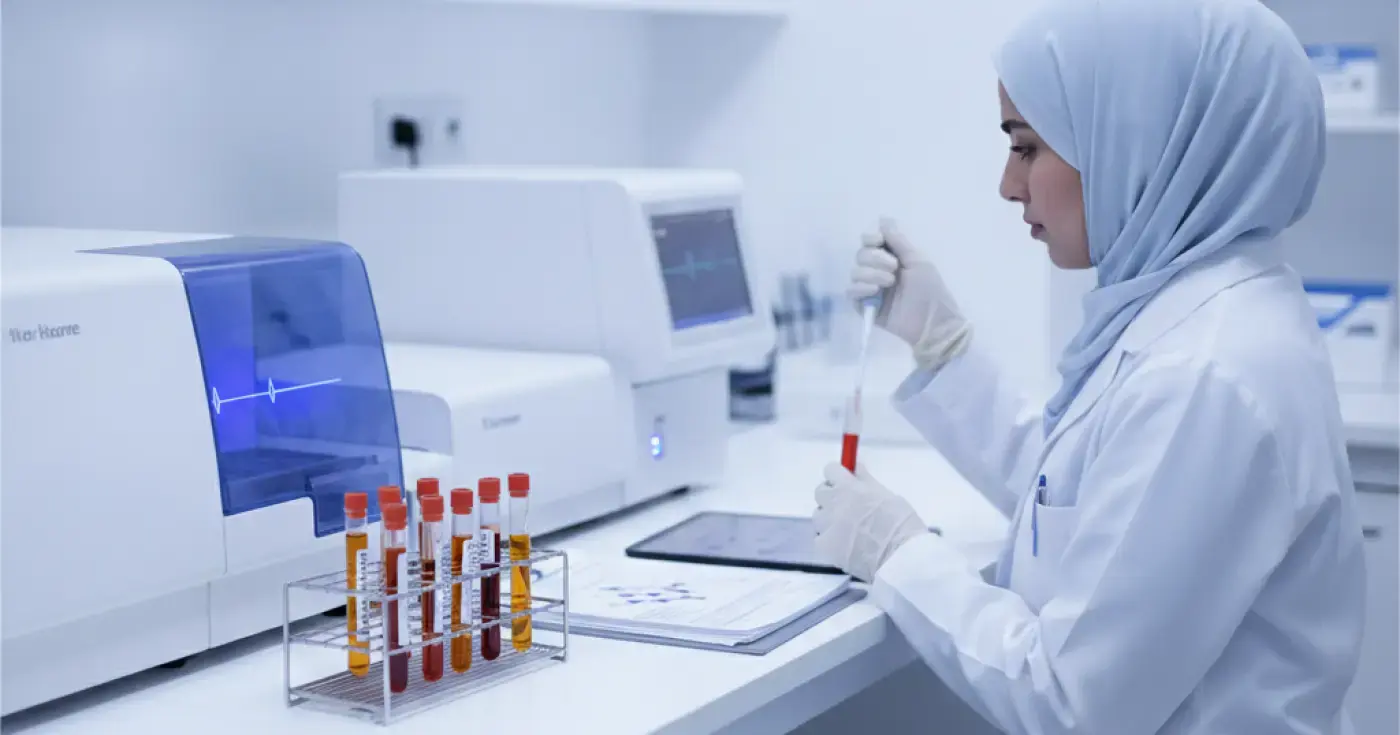
Symptoms such as unwanted facial or body hair, severe cystic acne, female pattern hair thinning, or irregular menstrual cycles require a structured clinical evaluation to determine if elevated androgen levels (male hormones) are involved. It is essential to note that hyperandrogenism is not a standalone diagnosis but a clinical sign that can stem from various physiological or pathology-based origins, and it does not automatically equal polycystic ovary syndrome (PCOS). Accurate medical assessment relies on identifying the elevated hormone and its primary source through targeted laboratory testing combined with a thorough clinical examination and personal medical history.
Women's bodies naturally produce small but essential amounts of male hormones known biologically as androgens. These hormones play vital roles in maintaining bone density, supporting muscle mass, regulating mood and energy, and serving as essential precursors for estrogen synthesis.
The principal circulating androgens include total and free testosterone, dehydroepiandrosterone sulfate (DHEA-S), androstenedione, and dihydrotestosterone (DHT). When an imbalance occurs and androgen levels rise above normal baseline thresholds for a woman's age and reproductive stage, clinical symptoms may manifest ranging from mild and chronic to rapidly progressive.
Clinical signs that prompt physicians to order an androgen panel vary depending on androgen concentration and individual tissue sensitivity. Key indications include:
When evaluating testosterone levels, ordering a
Clear, direct answers
Advertisement
Continue exploring
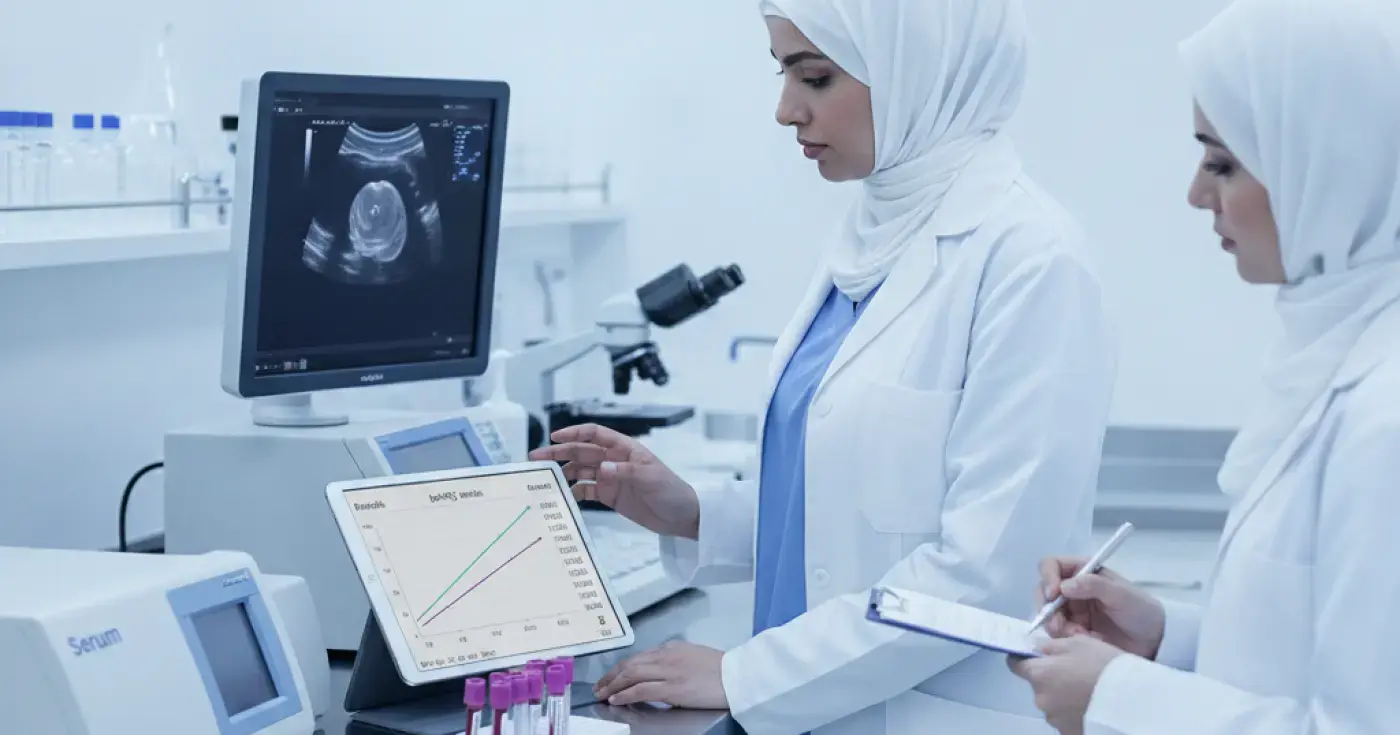
A comprehensive guide on quantitative beta-hCG testing, serial measurements, ultrasound timing, and when to seek immediate medical evaluation.
Read article
Discover causes of high prolactin levels, symptoms, test preparation rules, and when doctors advise retesting for accurate diagnosis.
Read article
Learn why doctors order the Estradiol (E2) blood test, how levels fluctuate during the cycle, and how results help evaluate ovarian function and fertility.
Read articleConnected next steps
 Free Testosterone TestA precise measurement of active male hormone in the blood to evaluate sexual health, muscle strength, and vitality levels, helping diagnose hormone deficiency in men and improve daily life quality.
 Dehydroepiandrosterone Sulfate (DHEAS) TestMeasure DHEAS levels to evaluate adrenal gland function, aiding in the diagnosis of hormonal imbalances, hair loss, and fertility issues for both men and women.