X-Ray Exam Price | Lahalak Medical Platform

Fast and effective scan to detect fractures, joint inflammation, and chest issues, helping doctors determine the appropriate treatment within minutes.
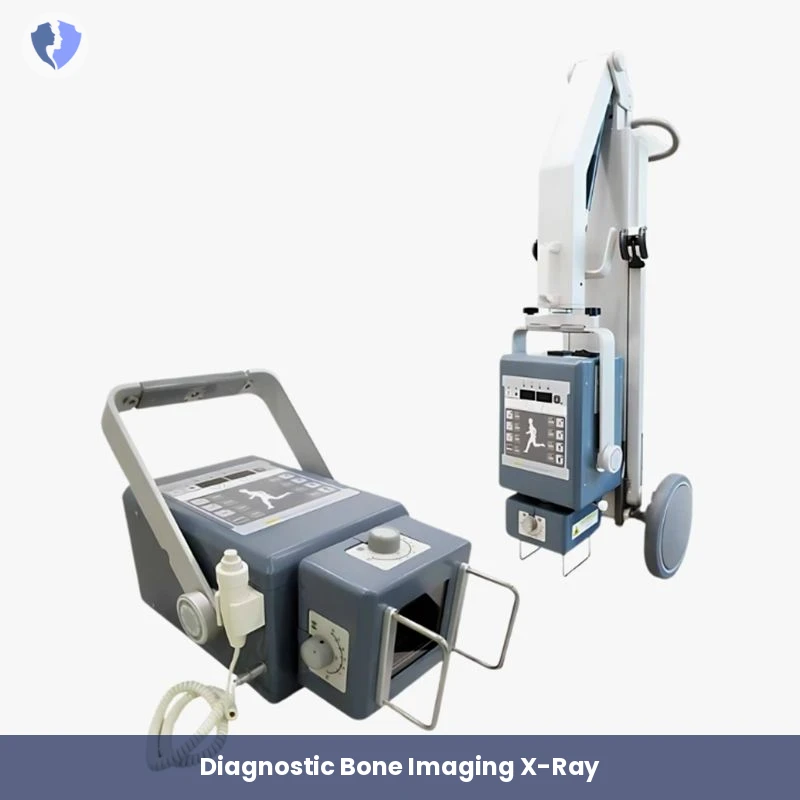
Prices starts from: 187.5 SAR

Scientific name: X-Ray (Single Body Part)

Technical Definition: It is a non-invasive diagnostic procedure that utilizes high-energy electromagnetic radiation beams (X-rays) to penetrate the tissues of the targeted organ. This examination is characterized by its ability to differentiate between tissues based on their density; high-density bones absorb a greater amount of radiation and appea...

X-Ray (Single Body Part) - Quick Diagnostic X-Ray
Service type X-Ray Imaging
Duration 10-15 minutes
Fasting Fasting is not required
Prices Starting from 187.5 SAR

Included Services

  • X-Ray Service - Single Body Part
  • Imaging of at least two orthogonal views (AP/PA + Lateral)
  • Preliminary assessment by a qualified radiologic technologist
  • Instant Digital Images Ready
  • Radiologist report within 24 hours
  • Personal Support Services from Laha Lak

Medical Service Information

Your Comprehensive Guide to Single-Area X-Ray Services

  • Bones & Joints: Detecting fractures, cracks, dislocations, or bone density issues.
  • Chest: Diagnosing pneumonia, heart enlargement, or ensuring overall lung health.
  • Abdomen: Identifying foreign objects or certain cases of intestinal obstruction.
  • Dental: Evaluating the condition of roots and jaws.

Comparison Guide: X-Ray vs. Alternatives

  • Comparison Aspect
  • X-Ray
  • MRI
  • Ultrasound
  • Primary Use
  • Imaging bones, fractures, and the chest

Quality Standards: How to Choose the Best Center?

  • Digital X-Ray Technology: Provides much clearer images than traditional film and allows the doctor to zoom in to see the finest details.
  • Fast Results Delivery: Due to the simplicity of the scan, the center should provide results within a very short turnaround time.
  • CBAHI Accreditation: To ensure the implementation of radiation safety standards and patient protection.

The Patient’s Journey: What Happens During an X-Ray Scan?

  • No fasting or special preparations are required for this examination.
  • Remove jewelry, watches, or any metal objects in the area being imaged.
  • Very Important: Women must inform the technician if there is any possibility of pregnancy.
  • The technician will ask you to stand or lie down in a specific position in front of the imaging plate.
  • You will be asked to remain perfectly still for a few seconds; you may also be asked to hold your breath (in the case of a chest X-ray).
  • The procedure is completely painless, and you will not feel anything during the imaging process.

Frequently Asked Questions (FAQs)

  • 1. Is the radiation dose in an X-ray dangerous? No. The radiation dose used for a single-area scan is extremely minimal. It is roughly equivalent to the natural background radiation an average person is exposed to in just a few days.
  • 2. Can children have X-rays? Yes. X-rays are safe for children when medically necessary. We ensure our partner centers use lead shields to protect sensitive areas of the body during the procedure.
  • 3. What is the price of an X-ray (Single Body Part) in Saudi Arabia? X-rays are among the most affordable medical imaging services. Through "Laha Laki," we offer competitive prices starting from very budget-friendly rates at the top radiology centers in Riyadh and Jeddah.
  • 4. Do I need a prior appointment? Because the scan is so quick, many centers offer "walk-in" services. However, booking your appointment through our platform guarantees zero waiting time and gives you access to exclusive discounted rates.
  • 5. Do ligaments and muscles show up on an X-ray? X-rays are primarily designed for bones and dense tissues. For a better view of ligaments and muscles, a MRI or Ultrasound is typically recommended.

Conditions & Notices

  • Wear comfortable clothes that are easy to change if necessary.
  • Remove all jewelry and metal objects from the area being imaged.
  • Take a deep breath and hold it during imaging
  • Remove the upper garment and wear a medical gown.
  • Inform the technician of any possibility of pregnancy.
  • Use a lead shield to cover the abdomen and pelvic area.
  • Postpone non-essential scans during pregnancy.

Medical services you might also like