Tungsten Level Analysis | Lahalak Platform

Accurate analysis to measure tungsten levels, detecting occupational or environmental exposure to protect your kidneys and nervous system from the risks of heavy metal toxicity.
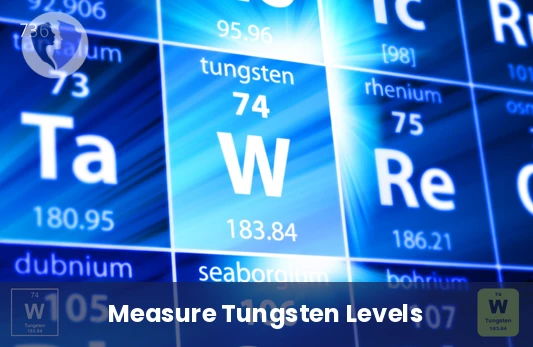
Prices starts from: 276.93 SAR

Scientific name: Tungsten Level Analysis

The Tungsten (W) Analysis by Atomic Absorption Spectroscopy in Flame and Graphite Furnace Mode is an advanced technique used to determine tungsten levels in various samples. This analysis is known for its high precision and ability to detect low concentrations of the element, making it a valuable tool in fields such as environmental science, indust...

Tungsten Level Analysis - Tungsten Metal Toxicity Test
Service type Laboratory test (Blood/Urine)
Duration 10-15 minutes
Fasting Fasting is not required
Prices Starting from 276.93 SAR

Included Services

  • Tungsten Analysis by Atomic Absorption Spectroscopy in Flame and Graphite Furnace Mode Test
  • The optimal health guidance based on the result.
  • Personal support services from Lahalak

Medical Service Information

Purpose Test

  • Water: Analyzing tungsten levels in water is crucial for detecting potential contamination from industrial or agricultural activities. Tungsten can lead to the pollution of drinking water or other natural sources, posing a risk to public health.
  • Soil: In soil, tungsten levels are examined to ensure there are no harmful concentrations that could affect crop quality or soil health. Accumulation of tungsten in soil may lead to environmental degradation or negative effects on plants.
  • Industrial materials: The analysis is also used to determine the tungsten concentration in industrial materials such as metals and alloys containing this element. This helps companies monitor tungsten levels in raw materials and final products to ensure safety and quality.
  • Environmental pollution detection: The analysis enables the detection of any environmental pollution caused by tungsten, whether in air, water, or soil. Tungsten can cause environmental poisoning if present in large quantities.
  • Environmental changes: Through this analysis, environmental changes resulting from industrial uses or pollution from human activities can be tracked. The test provides valuable insights into how tungsten affects the ecosystem.

Recommended groups

  • Industrial companies: Companies operating in industries that use tungsten, such as metal or electronics manufacturing, conduct this analysis to monitor tungsten levels in raw materials and finished products, ensuring environmental safety and quality.
  • Environmental laboratories: Environmental labs are key users of this test to study tungsten levels in various environments, including water and soil. This helps in detecting environmental pollution and identifying its sources.
  • Research institutions: Research institutions use this analysis to study the impact of tungsten on the environment and public health. It can also contribute to environmental research related to soil or water pollution, or studies of environmental changes.
  • Universities: Universities use this analysis in scientific research, particularly in the fields of environmental chemistry and toxicology. Students and researchers in universities analyze samples to study the impact of tungsten on ecosystems and human health.
  • Medical laboratories: Medical laboratories may use this test to assess tungsten contamination in biological samples such as blood or urine, particularly in cases suspected of tungsten poisoning or accumulation in the body.
  • Water and soil quality assessment: This analysis is also used to assess the quality of water and soil, helping to determine tungsten levels in these natural environments. This can contribute to the development of environmental solutions to reduce pollution.

Symptoms indicative

  • Water Pollution: If abnormal levels of tungsten are detected in water, it may indicate environmental pollution caused by industrial activities or the leakage of contaminated materials into water sources.
  • Soil Degradation: The accumulation of tungsten in soil may lead to a deterioration of its quality, affecting agriculture or the health of the ecosystem. If soil degradation is observed, the analysis may be necessary to determine tungsten levels and assess potential risks.
  • Unexplained Health Issues: In cases of unexplained health problems, such as symptoms of poisoning or adverse effects on vital organs, it may be helpful to conduct this analysis to determine if tungsten is the potential cause.
  • Intensive Industrial Activities: If there are industrial activities involving the use or production of tungsten, such as electronics or metal industries, monitoring tungsten levels in the surrounding environment is crucial to ensure no environmental pollution occurs.
  • Use of Tungsten-Containing Materials: If tungsten-containing materials are used in various industries or consumer products, it may be necessary to conduct this analysis to ensure they do not pose a risk to the environment or public health.

FAQs

  • What is the accuracy of this technique in measuring tungsten? The accuracy is high, as it can measure low concentrations of tungsten with great precision.
  • What are the sample preparation steps? Sample preparation typically involves crushing the sample, dissolving it in an appropriate solution, and diluting it if necessary.
  • How long does it take to get the results? The analysis usually takes several hours to a day, depending on the type of sample and the workload at the laboratory.
  • Are there limits to detecting tungsten using this method? Yes, every technique has detection limits, and typically, the detection limit is in the microgram per liter range.
  • What are the practical applications of tungsten analysis in industry and the environment? It is used in evaluating water quality, analyzing soil, and monitoring pollution in industrial areas.

Normal Levels

  • In water: Generally, concentrations of tungsten below 0.01 mg/L are considered normal. These levels are typically low and are within safe limits that do not significantly impact human health or the environment.
  • In soil: Tungsten levels in soil may range from 1 to 10 mg/kg. These levels are normal in some areas, but they may be influenced by industrial activities such as mining or industrial production processes involving tungsten.

Conditions & Notices

  • The terms and conditions announced on the "Lahalak" medical platform apply.
  • There are no special conditions for the service other than those mentioned.

Medical services you might also like