TIBC Iron Test Price | Lahalak Platform

This test measures the blood's ability to bind and transport iron, serving as a precise tool for diagnosing anemia or iron overload conditions.
Prices starts from: 40 SAR

Scientific name: Total Iron Binding Capacity (TIBC) Test

Total Iron Binding Capacity (TIBC) analysis is a laboratory test designed to measure the amount of iron that the blood can carry, and it is an effective tool for evaluating iron levels in the body. TIBC is determined by measuring the amount of iron-binding proteins, such as transferrin, in the blood. This test helps in diagnosing iron deficiency co...

Total Iron Binding Capacity (TIBC) Test - Check Your Iron Binding Capacity
Service type Laboratory test (Blood)
Duration 10-15 minutes
Fasting 8-12 hours fasting
Prices Starting from 40 SAR

Included Services

  • TIBC Test
  • The optimal health guidance based on the result.
  • Personal support services from Lahalak

Medical Service Information

Purpose Test

  • Iron deficiency: Helps identify if the body lacks iron, which may lead to anemia.
  • Iron overload: Detects conditions with excessive iron, such as hemochromatosis, where iron accumulates in tissues.
  • Assessment of iron absorption: Evaluates the body’s ability to absorb iron from food.
  • Guiding treatment: Helps determine appropriate interventions, whether iron supplements or other medical treatments.
  • Nutritional assessment: Assists in evaluating dietary iron intake and its role in overall health.

Recommended groups

  • Individuals with anemia symptoms: Such as persistent fatigue, weakness, pale skin, and shortness of breath, to assess iron levels.
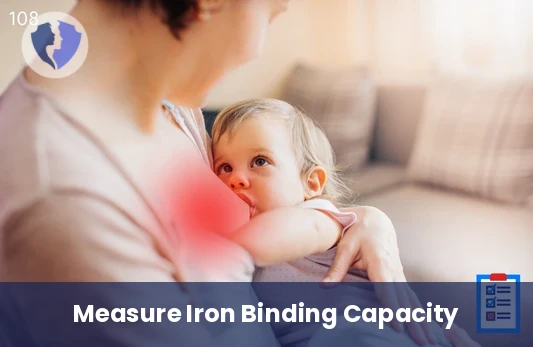
  • Pregnant or breastfeeding women: Due to increased iron requirements to support maternal health and fetal growth.
  • Individuals on restricted diets: Such as vegetarians or those with poor nutrition, who may have low iron levels.
  • Individuals with chronic medical conditions: Such as kidney or gastrointestinal diseases that may affect iron absorption.
  • Individuals who underwent surgery or experienced bleeding: Such as blood transfusions or major surgeries, which can lead to iron loss.
  • Individuals with genetic conditions: Such as hemochromatosis, where iron accumulates excessively in the body.

Symptoms indicative

  • Persistent fatigue and tiredness: May result from iron deficiency and anemia.
  • Pale skin: Light or pale complexion may indicate low iron levels.
  • Shortness of breath: Especially during daily activities or light exercise.
  • Dizziness or lightheadedness: Caused by reduced oxygen transport due to iron deficiency.
  • Rapid heartbeat or palpitations: The body tries to compensate for low iron to increase oxygen delivery.
  • Brittle nails or hair loss: Weak nails or hair loss can be linked to iron deficiency.

FAQs

  • What is the TIBC Test? Total Iron-Binding Capacity (TIBC) measures the blood’s ability to bind iron by assessing the amount of iron-transporting proteins, such as transferrin. It is used to evaluate the body’s iron levels.
  • Why is the TIBC Test Requested? It is requested to check for iron deficiency or iron overload, such as iron-deficiency anemia or hemochromatosis. It is often used alongside other tests like serum iron and ferritin.
  • Is Fasting Required? Yes, fasting for 8 hours is usually recommended before the test to ensure accurate results.
  • Difference Between TIBC and Serum Iron Levels: Serum iron measures the amount of iron currently in the blood, while TIBC measures the blood’s capacity to bind iron, reflecting the amount of iron-transporting proteins.
  • What Does a High TIBC Result Mean? It may indicate iron deficiency, as the body increases production of iron-binding proteins to compensate.
  • What Does a Low TIBC Result Mean? It may indicate iron overload or chronic diseases affecting the production of iron-binding proteins.

Normal Levels

  • Total Iron-Binding Capacity (TIBC): Adults: 240 to 450 µg/dL Reference ranges may slightly vary by laboratory; consult a doctor for precise interpretation.
  • Adults: 240 to 450 µg/dL
  • Reference ranges may slightly vary by laboratory; consult a doctor for precise interpretation.
  • Serum Iron: Men: 65 to 176 µg/dL Women: 50 to 170 µg/dL Children: 50 to 120 µg/dL
  • Men: 65 to 176 µg/dL
  • Women: 50 to 170 µg/dL

Conditions & Notices

  • The terms and conditions announced on the "Lahalak" medical platform apply.
  • There are no special conditions for the service other than those mentioned.

Medical services you might also like