Total Bilirubin Test Booking | Lahalak Platform

Measure total bilirubin levels to evaluate liver function and red blood cell health, providing early detection of disorders and ensuring overall body wellness.

Prices starts from: 18 SAR

Scientific name: Total Bilirubin Test

Total Bilirubin analysis is a blood test that measures the overall level of bilirubin in the body, which includes two types: direct (conjugated) bilirubin and indirect (unconjugated) bilirubin. Bilirubin is produced from the breakdown of red blood cells, where hemoglobin is degraded and converted into bilirubin that is then processed by the liver....

Total Bilirubin Test - Total Bilirubin Health Shield
Service type Laboratory test (Blood)
Duration 10-15 minutes
Fasting 8-12 hours fasting
Prices Starting from 18 SAR

Included Services

  • Bilirubin (Total) Test
  • The optimal health guidance based on the result.
  • Personal support services from Lahalak

Medical Service Information

Purpose Test

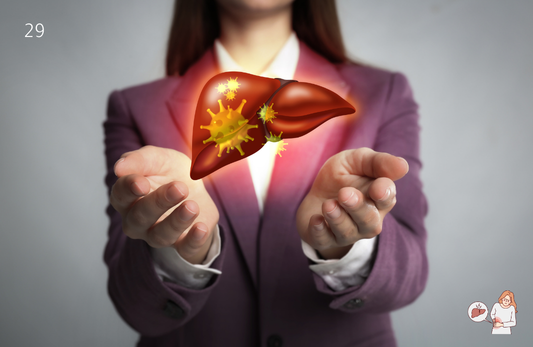
  • Liver Function: Helps assess liver function by showing the liver’s ability to process bilirubin. Elevated levels may indicate liver diseases such as hepatitis or cirrhosis.
  • Jaundice: Detects increased bilirubin levels that lead to yellowing of the skin and eyes. Jaundice can result from elevated indirect or direct bilirubin.
  • Bile Duct Obstruction: Elevated total bilirubin may indicate a blockage in the bile ducts, possibly due to gallstones or tumors.
  • Hemolytic Anemia: High levels of indirect bilirubin can indicate excessive breakdown of red blood cells, leading to increased bilirubin production.
  • Genetic Conditions: The test can help diagnose certain genetic disorders affecting bilirubin metabolism, such as Gilbert syndrome or Crigler-Najjar syndrome.

Recommended groups

  • Individuals with jaundice symptoms: Such as yellowing of the skin and eyes, to determine the cause of elevated bilirubin levels.
  • Patients with a history of liver diseases: Such as hepatitis or cirrhosis, to assess liver function and monitor any changes.
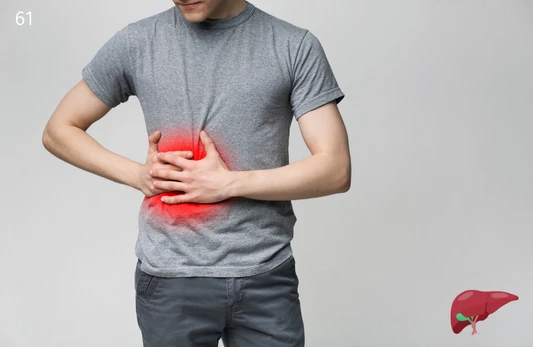
  • Individuals experiencing abdominal pain: Especially in the upper right region, which may indicate liver or gallbladder problems.
  • Patients showing signs of gastrointestinal issues: Such as nausea, vomiting, and loss of appetite, which may be associated with liver problems.
  • Newborns: This test is recommended to assess bilirubin levels in newborns, who are prone to jaundice.
  • Individuals undergoing monitoring for certain treatments: Such as liver disease treatments, where doctors need to track bilirubin levels.

Symptoms indicative

  • Jaundice (yellowing of the skin and eyes): This is a prominent sign of elevated bilirubin levels.
  • Pain in the upper right abdomen: May indicate liver or gallbladder problems.
  • Change in urine color: Such as dark-colored urine, which may signal high bilirubin levels.
  • Change in stool color: Such as pale or clay-colored stools, which may indicate bile duct obstruction.
  • Fever or chills: May suggest an infection affecting the liver or gallbladder.
  • Nausea or vomiting: Accompanied by other symptoms pointing to gastrointestinal issues.

FAQs

  • What is the Bilirubin (Total) Test? The Bilirubin (Total) test is a blood test that measures the total bilirubin level in the body, including direct and indirect bilirubin.
  • When should this test be performed? It is recommended when symptoms appear, such as jaundice (yellowing of the skin and eyes), abdominal pain, or changes in urine or stool color.
  • Is any special preparation required before the test? Generally, no special preparation is needed, but it is advisable to consult a doctor about any dietary restrictions or medications that may affect results.
  • What are the normal total bilirubin levels? Normal total bilirubin levels usually range from 0.1 to 1.2 mg/dL, but may vary slightly depending on the laboratory.
  • What do elevated total bilirubin levels indicate? High levels may indicate health problems such as hepatitis, bile duct obstruction, or hemolytic anemia.
  • What do low total bilirubin levels indicate? Low levels are generally not a sign of a health problem, but should be evaluated with other test results.

Normal Levels

  • Normal levels: Indicate healthy liver and biliary system function.
  • Elevated levels: May indicate various health issues, including: Hepatitis: due to infection or alcohol. Bile duct obstruction: caused by gallstones or tumors. Hemolytic anemia: excessive breakdown of red blood cells. Genetic syndromes: such as Gilbert syndrome.
  • Hepatitis: due to infection or alcohol.
  • Bile duct obstruction: caused by gallstones or tumors.
  • Hemolytic anemia: excessive breakdown of red blood cells.
  • Genetic syndromes: such as Gilbert syndrome.

Conditions & Notices

  • The terms and conditions announced on the "Lahalak" medical platform apply.
  • There are no special conditions for the service other than those mentioned.

Medical services you might also like