Titanium Level Test in Saudi | Lahalak Platform

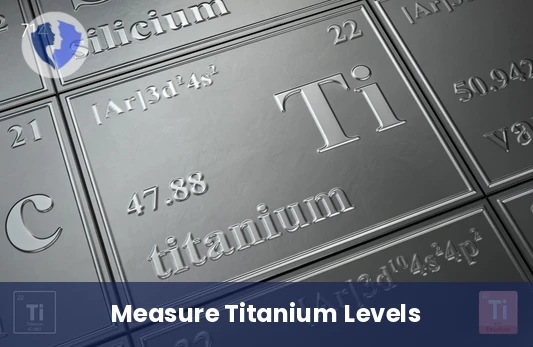
Measures titanium levels for individuals with medical implants, ensuring implant integrity and detecting any potential wear or metal sensitivity early for long-term health.
Prices starts from: 221.81 SAR

Scientific name: Titanium Level Test (AAS)

Titanium Level analysis using Atomic Absorption Spectrophotometry (AAS) with Flame and Graphite Furnace Atomization (GFA) modes is an advanced technique used to determine titanium concentrations in various samples, including water, soil, and food products. This method relies on measuring the amount of light absorbed by titanium atoms when a light b...

Titanium Level Test (AAS) - Monitor Titanium Implant Safety
Service type Laboratory test
Duration 10-15 minutes
Fasting Fasting is not required
Prices Starting from 221.81 SAR

Included Services

  • Titanium Level Atomic Absorption Spectrophotometer Test
  • The optimal health guidance based on the result.
  • Personal support services from Lahalak

Medical Service Information

Purpose Test

  • Titanium Concentration: Determines the amount of titanium present in various samples, such as water, soil, and food products.
  • Pollution Levels: Helps identify contamination with heavy metals, particularly titanium, and assess environmental risks.
  • Product Quality Analysis: Used to monitor the quality of food products and industrial materials to ensure they meet safety standards.
  • Health Risk Assessment: Contributes to studying the impact of titanium exposure on public health, especially in cases of chronic exposure.
  • Environmental Impact Studies: Employed in research examining the effects of titanium on ecosystems and biodiversity.

Recommended groups

  • Environmental Laboratories: To monitor pollution levels in water and soil, ensuring environmental safety.
  • Food Companies: To ensure the safety of products by analyzing titanium content in food materials, complying with food safety regulations.
  • Industrial Institutions: To assess the quality of raw materials and final products used in manufacturing processes, ensuring they meet safety standards.
  • Government Bodies: To monitor public health and the environment, enforcing regulations related to heavy metals, including titanium.
  • Academic Researchers: To study the effects of titanium on the environment and health, contributing to advanced scientific research in the field.

Symptoms indicative

  • Unexplained Health Issues: Such as chronic fatigue, weakened immunity, or joint pain, which may be linked to prolonged exposure to titanium.
  • Respiratory Symptoms: Persistent coughing or difficulty breathing, especially in individuals working in industries dealing with titanium.
  • Skin Issues: Unexplained rashes or sensitivity, potentially as a result of titanium exposure.
  • History of Exposure: Individuals working in fields like manufacturing or mining, where titanium exposure is more likely, may require monitoring for potential health effects.
  • Gastrointestinal Symptoms: Such as nausea or abdominal pain, particularly in cases of excessive exposure to titanium.

FAQs

  • What is Titanium? Titanium is a chemical element used in a wide range of applications, including in industry and medicine due to its strength, light weight, and resistance to corrosion.
  • Why is Titanium Level Analysis Important? Titanium level analysis helps assess pollution from heavy metals and is crucial in ensuring the safety of food, water, and the environment. It also helps monitor the health effects of exposure to titanium, especially in industrial and environmental contexts.
  • What Sample is Required for the Analysis? The sample could be water, soil, food products, or biological samples (like blood or urine) depending on the purpose of the analysis.
  • How Long Does the Analysis Take?
  • Typically, the results take from a few hours to several days, depending on the laboratory and the type of analysis being performed.
  • Are There Any Risks Involved in the Analysis?

Normal Levels

  • In Water: Titanium levels in water are generally considered safe if they are below 0.01 milligrams per liter (mg/L).
  • In Soil: Titanium levels in soil typically range from 0.1% to 1.0% by weight, though these values can vary based on geographic location.
  • In Food: Titanium levels in food are generally low, often less than 100 micrograms per kilogram (µg/kg). The presence of titanium dioxide in processed foods as an additive is common but typically in low concentrations.
  • In Air: Titanium levels in air are generally very low and are often undetectable or not measurable by standard air quality monitoring systems.

Conditions & Notices

  • The terms and conditions announced on the "Lahalak" medical platform apply.
  • There are no special conditions for the service other than those mentioned.

Medical services you might also like