Subcutaneous Injection at Home | Lahalak Platform

Providing therapeutic subcutaneous injections by a qualified nursing team to ensure correct dosage and complete patient comfort without the need to visit a medical center.

Prices starts from: 200 SAR

Scientific name: Subcutaneous (SC) Injection at Home

Subcutaneous injection is a medical procedure used to deliver medication directly into the tissue beneath the skin using a small needle. This technique is effective and easy for administering treatments such as insulin for diabetic patients, hormone therapy, and some other medications that require slow and direct absorption. It is usually performed...
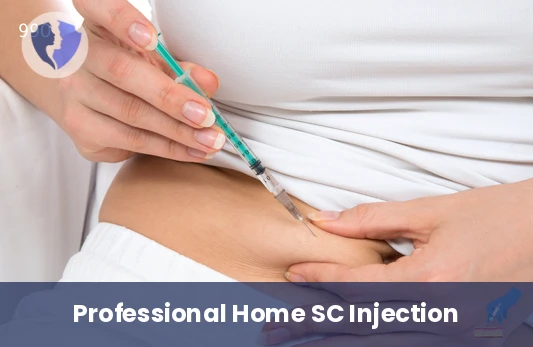
Subcutaneous (SC) Injection at Home - Subcutaneous Injection at Home
Service type Home nursing procedure
Duration 10-15 minutes
Fasting Fasting is not required
Prices Starting from 200 SAR

Included Services

  • Subcutaneous injection at home.
  • Personal support services from Lahalak

Medical Service Information

The Importance

  • Easy Drug Access: Subcutaneous injections provide a direct way for medications to be absorbed into the bloodstream through the fatty tissue, allowing for a fast and efficient effect.
  • Convenience of Use: These injections can easily be administered at home, especially for conditions like diabetes, where patients need to inject insulin regularly. This reduces the need for frequent hospital or clinic visits.
  • Reduced Pain and Complications: Compared to intramuscular or intravenous injections, subcutaneous injections are less painful and simpler to administer. Injecting into fatty tissue also minimizes the risk of complications such as vein inflammation or bleeding.
  • Long-Term Treatment: Subcutaneous injections are used to deliver medications that are absorbed slowly, providing a continuous effect throughout the day. This is ideal for conditions that require ongoing treatment.
  • Flexibility in Timing: This method allows patients to take their medication at flexible times that suit their lifestyle, which helps improve adherence to treatment.

Why is Subcutaneous Injection Necessary?

  • Slow and Continuous Absorption: Subcutaneous injections provide slow and steady absorption of medications into the body. This is beneficial in cases like diabetes treatment with insulin, where it helps provide a long-lasting and continuous effect.
  • Ease of Administration: Subcutaneous injection is a simple and easy way to deliver medications daily or periodically. Patients can administer it themselves at home under medical supervision, saving time and costs associated with frequent medical visits.
  • Reduced Pain: Compared to intramuscular or intravenous injections, subcutaneous injections cause less pain because the fatty tissues under the skin are softer and contain fewer nerve endings, making it less painful.
  • Treatment of Chronic Conditions: Subcutaneous injections are used to treat chronic diseases such as diabetes, hormonal disorders, and some immune diseases, where patients need continuous or frequent medication intake.
  • Precise Dose Control: Subcutaneous injections allow for accurate and effective delivery of medication doses, helping manage medical conditions more efficiently and precisely.
  • Flexible Scheduling: Since subcutaneous injections do not require continuous medical monitoring, patients can take their medication at convenient times, which enhances adherence to treatment.

FAQs

  • Frequently Asked Questions (FAQs)
  • What is a subcutaneous injection? A subcutaneous injection is a medical method of delivering medication directly into the fatty tissue beneath the skin using a fine needle.
  • What conditions use subcutaneous injections? Subcutaneous injections are used to treat diabetes (such as insulin injections), hormonal therapies, some immune medications, chemotherapy, and obesity treatments.
  • Can I give myself a subcutaneous injection at home? Yes, in many cases, patients can learn how to administer subcutaneous injections at home, especially under medical supervision.
  • Where can I give a subcutaneous injection? Subcutaneous injections can be given in areas such as the abdomen, upper arm, or thigh, where there is enough fatty tissue to allow for easy injection.
  • Are there any side effects of subcutaneous injections? Side effects may include mild swelling or redness at the injection site. Sometimes, mild pain or bruising can occur. If symptoms persist or worsen, consult a doctor.

Conditions & Notices

  • The terms and conditions announced on the "Lahalak" medical platform apply.
  • There are no special conditions for the service other than those mentioned.

Medical services you might also like