Strontium Level Test Price | Lahalak Medical Platform

An advanced test to measure strontium levels in the body, a vital element that supports strong bone structure and helps assess overall mineral balance.
Prices starts from: 311.06 SAR

Scientific name: Strontium Level Test

Strontium analysis using Atomic Absorption Spectrophotometry (AAS) in both Flame and Graphite Furnace (GFA) modes is an advanced test used to determine the levels of strontium in samples such as water, soil, or biological tissues. Strontium is an important element from both an environmental and health perspective, as excessive exposure can have neg...

Strontium Level Test - Strontium Level for Bones
Service type Laboratory Test
Duration 10-15 minutes
Fasting Fasting is not required
Prices Starting from 311.06 SAR

Included Services

  • Strontium Atomic Absorption Spectrophotometer Test
  • The optimal health guidance based on the result.
  • Personal support services from Lahalak

Medical Service Information

Purpose Test

  • Strontium Analysis using Atomic Absorption Spectrophotometry detects the levels of this element in various samples. It is primarily used to determine:
  • Strontium Concentration: Measuring the amount of strontium present in samples such as water, soil, or biological tissues.
  • Environmental Exposure: Assessing strontium exposure levels in the surrounding environment, which helps in studying potential health effects.
  • Health Risks: Identifying the risks associated with excessive exposure to this element, which can affect bone health and the skeletal system.
  • Industrial Applications: Used in fields such as the nuclear industry and mining, where it serves as an important safety indicator.
  • This information aids in making informed decisions regarding public health and environmental safety.

Recommended groups

  • Individuals exposed to environmental pollution: Such as residents living near industrial facilities or waste disposal sites.
  • Workers in nuclear industries or mining: They may be exposed to elevated levels of strontium.
  • People with health issues related to bones: For example, those suffering from osteoporosis, as strontium levels can impact skeletal health.
  • Individuals living in areas with strontium-rich soil: To assess potential health risks.
  • People undergoing comprehensive tests: Such as environmental or medical examinations targeting the evaluation of mineral levels in the body.

Symptoms indicative

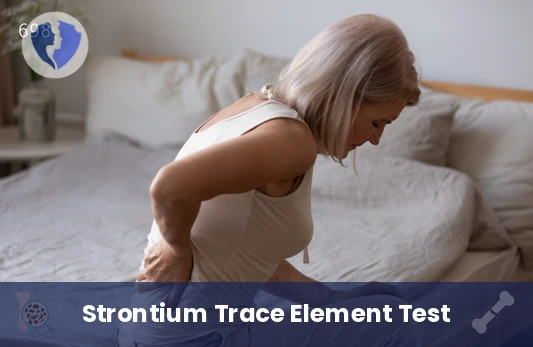
  • Bone pain: This could signal issues with the skeletal structure.
  • Frequent fractures or osteoporosis: These may indicate weakened bones, requiring evaluation of strontium levels.
  • Changes in bone density: For example, a decrease in bone density detected through scans.
  • Symptoms of metal poisoning: Such as nausea, vomiting, or loss of appetite, which may suggest high exposure to unsafe levels of strontium.
  • Known environmental exposure: If the person lives or works in areas that have been exposed to strontium contamination.

FAQs

  • What is the purpose of this analysis? The aim is to measure strontium levels in samples to assess health risks and environmental exposure.
  • How is the analysis performed? A blood sample or a sample of water or soil is taken, then analyzed using atomic absorption spectroscopy.
  • Does the patient need any special preparations before the analysis? Generally, no special preparations are required, but it is advisable to consult a doctor regarding any necessary precautions.
  • What are the appropriate timeframes for conducting the analysis? It is recommended when there is suspicion of exposure or the appearance of symptoms, or according to the doctor's recommendations.
  • How can the results of the analysis be interpreted? Strontium levels in the sample are compared to normal values, and potential risks are identified.
  • What are the risks associated with the analysis? The analysis is generally safe, but some may experience mild pain or bruising at the sample collection site.

Normal Levels

  • In blood: Strontium levels are usually less than 0.1 mg/L.
  • In water: A strontium level of less than 4 mg/L is considered safe for drinking.
  • In soil: Concentrations can vary widely, but a level of less than 500 mg/kg is generally considered acceptable.

Conditions & Notices

  • The terms and conditions announced on the "Lahalak" medical platform apply.
  • There are no special conditions for the service other than those mentioned.

Medical services you might also like