Right Ear Discharge Culture Test | Lahalak Platform

A specialized analysis of right ear discharge aimed at identifying the infection type and testing antibiotic sensitivity, ensuring an effective and rapid treatment plan for your comfort.

Scientific name: Right Ear Discharge Culture and Sensitivity Test

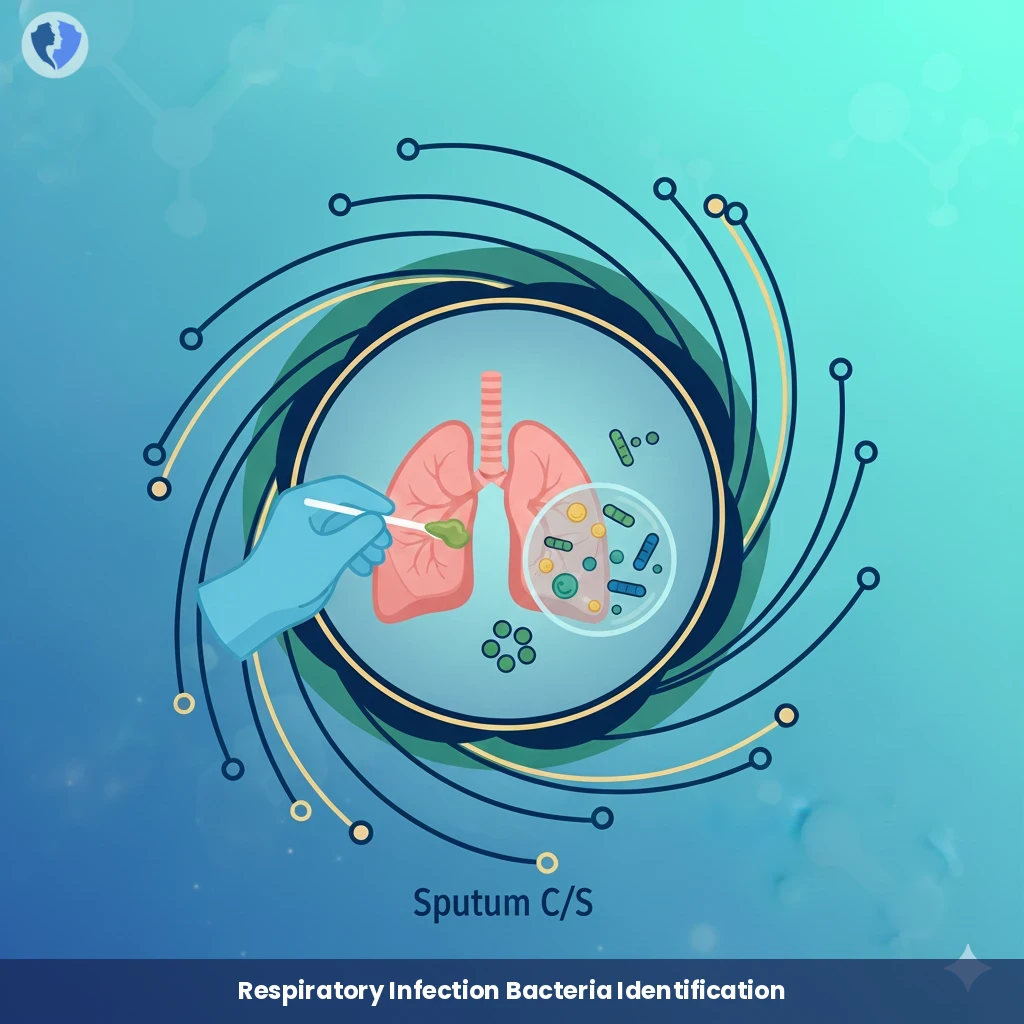
A microbiological test in which a sample of right ear discharge is cultured on special growth media to identify the microorganisms (bacteria or fungi) causing the infection. The test also includes an antibiotic sensitivity test to determine the most effective antibiotics or antifungal agents against the identified microbial isolate.


Right Ear Discharge Culture and Sensitivity Test - Comprehensive Ear Infection Test
Service type Laboratory culture (Swab)
Duration 10-15 minutes
Fasting Fasting is not required

Included Services

  • Ear Discharge (Right) Culture and Sensitivity Test
  • Consultation for results interpretation with a specialist.
  • Personal support services from Lahalak

Medical Service Information

Purpose Test

  • Identify the exact microorganism (bacteria or fungi) responsible for external or middle ear infection with discharge, particularly in the right ear.
  • Guide appropriate treatment by selecting sensitivity to antibiotics or antifungals, which improves healing and reduces drug resistance.
  • Assist in diagnosing chronic or recurrent ear infections that did not respond to initial treatment.
  • Differentiate between types of infections to determine the optimal treatment path and prevent complications.

Recommended groups

  • Children (0-12 years): They are more prone to middle ear infections (Otitis Media) due to the shorter and horizontal Eustachian tube, often following a cold.
  • Adults and teenagers: They may suffer from external ear infections (Swimmer's Ear) due to exposure to water, allergies, or improper ear cleaning.
  • Elderly: Especially those with diabetes or weakened immune systems, who may be more susceptible to severe or fungal external ear infections.

Symptoms indicative

  • Noticeable discharge (pus, watery, or bloody) from the right ear.
  • Sharp or persistent pain in the right ear, possibly associated with itching or a feeling of fullness.
  • Temporary hearing loss in the affected ear.
  • Redness, swelling, or irritation in the external ear canal.
  • Lack of response to ear infection treatment with the primary antibiotics prescribed by the doctor.

Frequently Asked Questions (FAQs)

  • How is the ear discharge sample taken? A trained specialist (doctor or technician) uses a sterile tool (such as a special ear swab) to collect a sample from the discharge in the external ear canal or from behind the eardrum if it is perforated, without causing harm.
  • How long does it take to get the culture results? The initial result may appear within 24-48 hours, but the complete final result, which includes identifying the microorganism and testing drug sensitivity, may take 3 to 5 days.
  • Does the presence of bacteria in the culture mean there is an active infection? Not necessarily. Some bacteria can naturally exist in the external ear canal. The doctor interprets the result in conjunction with clinical symptoms and the quantity and type of bacteria grown to determine whether they are pathogenic and require treatment.

Normal Levels

  • There are no "normal" numerical levels for this test. The result is considered normal (negative) if no pathogenic bacteria or fungi grow in the culture media after the standard incubation period. Any positive growth will identify the microorganism, and it will be interpreted by the doctor based on the quantity, the pathogenic factor, and the patient's clinical symptoms. A sensitivity test result will accompany the positive growth to indicate the effective and resistant antibiotics.

Conditions & Notices

  • • Fasting is not required before taking the sample.
  • • Ear drops (antibiotics or corticosteroids) should not be used for at least 48 hours before taking the sample, unless otherwise recommended by the physician.
  • • It is preferable to take the sample before starting any systemic antibiotic treatment to obtain a more accurate result.
  • • The sample should be taken by a trained professional in the doctor's office or laboratory to ensure its quality.

Medical services you might also like