Book KRAS/NRAS Mutation Analysis | Lahalak Medical Platform

Optimize your colorectal cancer treatment strategy with precision molecular testing. This analysis identifies specific gene mutations, helping oncologists select the most effective targeted therapies tailored to your unique genetic profile for better outcomes.

Scientific name: RAS Mutation Analysis (KRAS/NRAS)

A sophisticated molecular test analyzing KRAS and NRAS gene mutations in tumor cells, primarily for colorectal cancer, to predict patient response to anti-EGFR targeted therapies and personalize treatment plans.
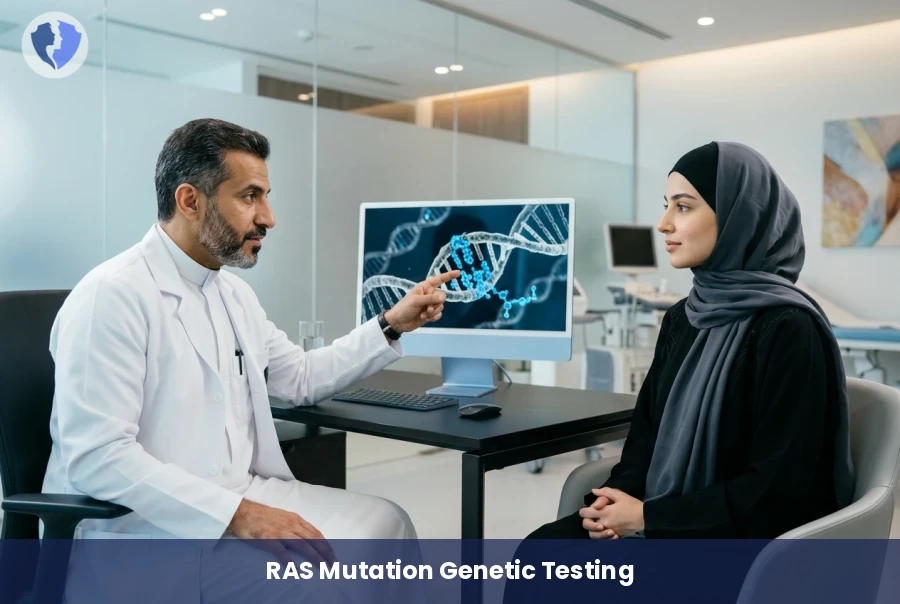

RAS Mutation Analysis (KRAS/NRAS) - Precision Targeted Cancer Therapy Guidance
Service type Molecular laboratory test
Duration 15-20 minutes
Fasting Fasting is not required

Included Services

  • Blood draw or tissue sample collection
  • Gene sequencing analysis
  • Detailed medical report with results

Medical Service Information

Purpose of the Analysis

  • To identify if the tumor contains mutations in the KRAS or NRAS genes.
  • To predict the response of colorectal cancer patients to targeted anti-EGFR therapies.
  • To avoid using treatments that may be ineffective based on the tumor's genetic profile.

Target Groups

  • Patients with metastatic colorectal cancer (mCRC).
  • Patients being considered for targeted therapies such as Cetuximab or Panitumumab.
  • Oncology cases requiring precise molecular characterization of the tumor.

Understanding the Results

  • Wild-type: Indicates no mutation found; suggests a likely positive response to anti-EGFR therapy.
  • Mutated: Indicates a mutation is present; suggests anti-EGFR therapy will likely be ineffective.
  • The final therapeutic decision is made by the oncologist based on the genomic report.

Conditions & Notices

  • A tumor tissue sample (FFPE block) or blood sample is required
  • Provide previous medical reports related to the diagnosis

Medical services you might also like