Random Blood Glucose Test | Lahalak Platform

Immediate blood sugar measurement at any time to quickly detect glucose imbalances and support daily diabetes management and overall well-being.

Prices starts from: 18 SAR

Scientific name: Random Plasma Glucose Test

Glucose in plasma (random) analysis is a test used to determine blood glucose levels at any time of the day without the need for fasting. This test is an important tool for diagnosing diabetes and monitoring its levels, as it can reveal any abnormal increase in glucose levels, indicating metabolic disorders. The test is usually performed by drawing...
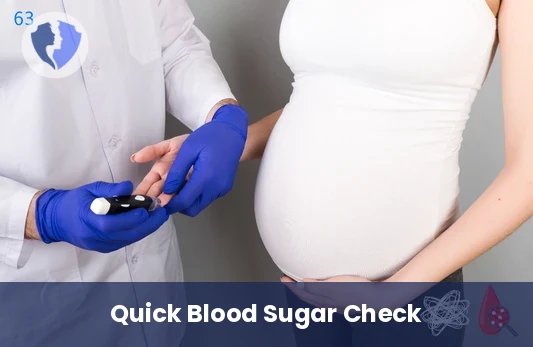

Random Plasma Glucose Test - Quick Random Glucose Check
Service type Laboratory test (Blood)
Duration 10-15 minutes
Fasting Fasting is not required
Prices Starting from 18 SAR

Included Services

  • Glucose in Plasma (Random) Test
  • The optimal health guidance based on the result.
  • Personal support services from Lahalak

Medical Service Information

Purpose Test

  • Blood Glucose Levels: This test measures the amount of sugar (glucose) present in the blood at a specific moment, helping to determine whether the glucose levels are within normal limits.
  • Diagnosis of Diabetes: Elevated glucose levels may indicate diabetes or prediabetes, helping doctors make appropriate treatment decisions.
  • Monitoring Treatment Effectiveness: This test is commonly used to monitor patients with diabetes who are receiving treatment, whether through medication or lifestyle changes, to assess whether these treatments are effectively controlling blood glucose levels.
  • Detection of Endocrine Disorders: The test can help identify issues related to the function of the pancreas or other endocrine glands, such as the thyroid or pituitary glands, which may affect blood glucose levels.
  • Identification of Hyperglycemia: Elevated glucose levels may point to hyperglycemia, which can occur due to stress, illness, or eating prior to the test.

Recommended groups

  • Individuals with Symptoms of Diabetes: Symptoms include excessive thirst, frequent urination, unexplained weight loss, and fatigue.
  • People with a Family History of Diabetes: If any family member (parent, sibling) has diabetes, it increases the risk of developing the condition.
  • People Who Are Overweight or Obese: Especially those with a high body mass index (BMI).
  • Individuals with High Blood Pressure: High blood pressure is linked to a higher risk of developing diabetes.
  • People with Elevated Cholesterol Levels: Particularly those with related heart disease or cardiovascular issues.
  • Individuals with Insulin Resistance: Such as those with polycystic ovary syndrome (PCOS) or other insulin resistance conditions.

Symptoms indicative

  • Excessive Thirst: Feeling constantly thirsty, even after drinking water.
  • Frequent Urination: A noticeable increase in urination, especially during the night.
  • Unexplained Weight Loss: Losing weight rapidly or unexpectedly, despite eating normally.
  • Extreme Fatigue: Feeling constantly tired and drained, with no clear reason.
  • Blurred Vision: Experiencing blurry or unclear vision.
  • Wounds That Take Time to Heal: Difficulty healing from cuts or bruises.

FAQs

  • Random Glucose Test measures blood sugar levels at any time of the day, regardless of when you last ate.
  • Fasting Glucose Test measures blood sugar levels after fasting for 8-12 hours, typically in the morning.
  • Random Glucose Test does not require any special preparation and can be done at any time of the day.
  • Fasting Glucose Test requires fasting for at least 8 hours before the test.
  • The risks are minimal and typically involve slight discomfort or bruising at the site where blood is drawn. There are no significant risks associated with this test.
  • Normal blood sugar levels typically range between 70-140 mg/dL.

Normal Levels

  • Normal Levels: 70 to 140 mg/dL (4.0 to 7.8 mmol/L).
  • 70 to 140 mg/dL (4.0 to 7.8 mmol/L).
  • Elevated Levels: 140 to 199 mg/dL (7.8 to 11.0 mmol/L) may indicate prediabetes.
  • 140 to 199 mg/dL (7.8 to 11.0 mmol/L) may indicate prediabetes.
  • High Levels: 200 mg/dL or higher (11.1 mmol/L or above) may suggest diabetes.
  • 200 mg/dL or higher (11.1 mmol/L or above) may suggest diabetes.

Conditions & Notices

  • The terms and conditions announced on the "Lahalak" medical platform apply.
  • There are no special conditions for the service other than those mentioned.

Medical services you might also like