Parkinson's Disease Diagnosis | Lahalak Platform

A comprehensive medical evaluation to detect early indicators of Parkinson's disease, including neurological function and tremor assessment to support timely treatment decisions.

Prices starts from: 1428.47 SAR

Scientific name: Parkinson's Disease Diagnostic Evaluation

Parkinson's Disease Test is a set of assessments and evaluations aimed at diagnosing Parkinson's disease and determining its impact on movement. The analysis relies on evaluating clinical symptoms, such as tremors, rigidity, and bradykinesia, as well as reviewing the patient's medical history. Imaging tests like magnetic resonance imaging (MRI) or...
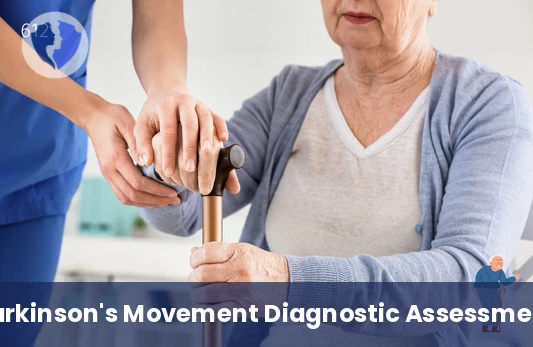
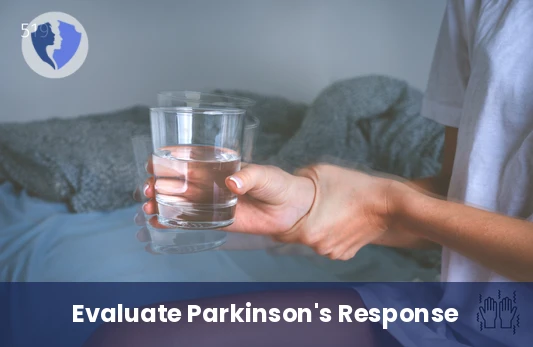
Parkinson's Disease Diagnostic Evaluation - Parkinson's Diagnostic Evaluation
Service type Neurological medical evaluation
Duration 30-45 minutes
Fasting Fasting is not required
Prices Starting from 1428.47 SAR

Included Services

  • Parkinson's Disease Test
  • The optimal health guidance based on the result.
  • Personal support services from Lahalak

Medical Service Information

Purpose Test

  • Clinical Symptoms: Evaluating movement signs such as tremors, rigidity, and bradykinesia, which suggest disorders in the nervous system.
  • Medical History: Reviewing the patient's medical and family history, which helps identify potential risks of developing the disease.
  • Imaging Tests: MRI or CT scans can be used to rule out other conditions that may cause similar symptoms.
  • Neurological Tests: Assessing nerve function and motor efficiency to help confirm the diagnosis.
  • Biological Markers: In some cases, tests may be performed to measure chemicals in the blood or cerebrospinal fluid that could be associated with the disease.

Recommended groups

  • Individuals with Motor Symptoms: Such as tremors, rigidity, and bradykinesia, especially if these symptoms affect their daily activities.
  • People with a Family History: Those with relatives who have Parkinson's disease, increasing the likelihood of developing it.
  • Those Experiencing Sudden Changes in Movement: Such as difficulty walking or losing balance.
  • Elderly Individuals: As the risk of developing the disease increases with age.
  • People Diagnosed with Other Neurological Conditions: Who may present with similar symptoms, requiring careful evaluation.

Symptoms indicative

  • Tremors: Involuntary shaking of the hands or legs, especially when at rest.
  • Rigidity: Muscle stiffness, which affects movement and makes it difficult.
  • Bradykinesia: Noticeable slowing of daily movements, such as walking or performing routine activities.
  • Balance Problems: Difficulty maintaining balance or frequent falls.
  • Changes in Writing: Writing may become smaller or less legible.
  • Difficulty with Facial Expression: Reduced facial expressions, known as the "masked face."

FAQs

  • What is the purpose of this test? The purpose is to diagnose Parkinson's disease through the assessment of motor symptoms and medical history, as well as performing additional tests such as MRI or neurological evaluations to aid in the diagnosis.
  • How is the test performed? The test involves a comprehensive clinical evaluation of motor symptoms, and the patient may undergo imaging tests (like MRI or CT scan) or neurological assessments to provide a full picture of the condition.
  • Is the test painful? Most tests, such as clinical neurological evaluations, are painless. If an MRI is performed, the patient may experience slight discomfort due to the prolonged time spent lying inside the machine.
  • How long does it take to get the results? It may take anywhere from a few days to a week to receive results, depending on the type of test (clinical or imaging) and the laboratory or medical center where the test is performed.
  • Can the results be incorrect? Yes, sometimes the results may not be accurate, especially in the early stages of Parkinson's disease or when symptoms resemble other conditions. It is always important to discuss the results with the physician for accurate interpretation.
  • What are the next steps if the result is positive? If the results indicate Parkinson's disease, the doctor will determine an appropriate treatment plan that may include medications to manage symptoms. Physical therapy and rehabilitation to improve movement and balance may also be recommended, along with regular follow-ups to assess progress.

Normal Levels

  • Absence of symptoms: No motor symptoms such as tremors or rigidity.
  • Normal motor functions: The person's ability to perform daily activities without difficulty.
  • Normal medical imaging results: If imaging such as an MRI is conducted, no abnormal changes should be seen in the brain.
  • Medical history without issues: No family or personal history of neurological problems.

Conditions & Notices

  • The terms and conditions announced on the "Lahalak" medical platform apply.
  • There are no special conditions for the service other than those mentioned.

Medical services you might also like