Neonatal Screening Type 1 in KSA | Lahalak Platform

A comprehensive early screening program for newborns to detect common genetic and metabolic disorders, ensuring a healthy start and proactive medical intervention when needed.

Prices starts from: 77.43 SAR

Scientific name: Neonatal Screening Profile Type 1

The Neonatal Screening Profile type 1 test is an important test performed on newborns during the first days of life. This test aims to screen for a range of genetic and metabolic disorders that could affect the baby’s health and development. The screening involves measuring levels of certain vital substances in the blood, such as hormones and enzym...
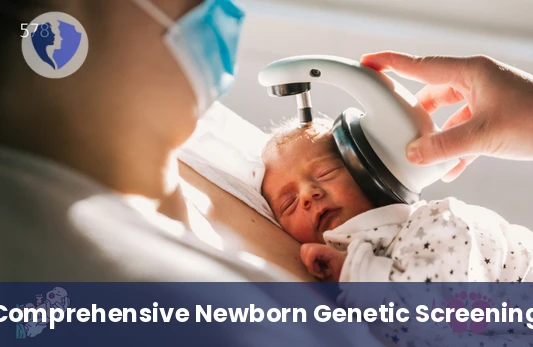

Neonatal Screening Profile Type 1 - Newborn Screening - Type 1
Service type Preventive medical screening
Duration 10-15 minutes
Fasting Fasting is not required
Prices Starting from 77.43 SAR

Included Services

  • Neonatal Screening Profile type 1 Test
  • The optimal health guidance based on the result.
  • Personal support services from Lahalak

Medical Service Information

Purpose Test

  • Congenital Hypothyroidism: A condition that may lead to growth and developmental problems if left untreated.
  • Phenylketonuria (PKU): A disorder that affects the body's ability to metabolize amino acids, which may result in the accumulation of toxic substances.
  • Other Metabolic Defects: Such as certain inherited metabolic disorders that affect how the body processes nutrients.

Recommended groups

  • All Newborns: This screening is performed as part of the routine tests for all newborns during the first few days of life.
  • Newborns with a Family History of Genetic Disorders: It is recommended for infants who have relatives with known hereditary conditions.
  • Newborns Born Under Special Medical Circumstances: Such as babies born with low birth weight or those who have undergone blood transfusions.
  • Newborns Showing Abnormal Symptoms After Birth: Such as poor growth or feeding difficulties.

Symptoms indicative

  • Poor Growth: Lack of normal weight or height gain.
  • Feeding Problems: Difficulty feeding or decreased appetite.
  • Behavioral Changes: Noticeable lethargy or reduced activity.
  • Skin Disorders: Such as jaundice (yellowing of the skin) or unusual skin changes.
  • Delayed Motor Development: Difficulty achieving age-appropriate motor skills.
  • Respiratory Issues: Such as difficulty breathing or rapid breathing.

FAQs

  • What is newborn screening? It is a test performed on newborns to detect genetic and metabolic disorders early.
  • How is the test performed? A small blood sample is taken from the baby, usually from the heel, and analyzed in the laboratory.
  • How long do the results take? Results are usually available within a few days.
  • Does the test require any special preparation? No special preparation is typically needed, but it is preferred to perform it after 24 hours of birth.
  • Is the test painful for the baby? The procedure is simple, and the baby may feel slight discomfort when the blood is drawn.
  • What happens if the results are positive? If the results are positive, further tests will be conducted to confirm the findings and determine the appropriate treatment plan.

Normal Levels

  • No Defined “Normal Levels”: This test does not provide typical numerical reference ranges; instead, it detects the presence or absence of specific genetic or metabolic disorders.
  • Negative Results: Indicate that no genetic or metabolic disorders were detected, suggesting the baby is healthy.
  • Positive Results: Indicate a possible disorder, requiring further confirmatory testing.

Conditions & Notices

  • The terms and conditions announced on the "Lahalak" medical platform apply.
  • There are no special conditions for the service other than those mentioned.

Medical services you might also like