Book MRD Testing for Myeloma | Lahalak Medical Platform

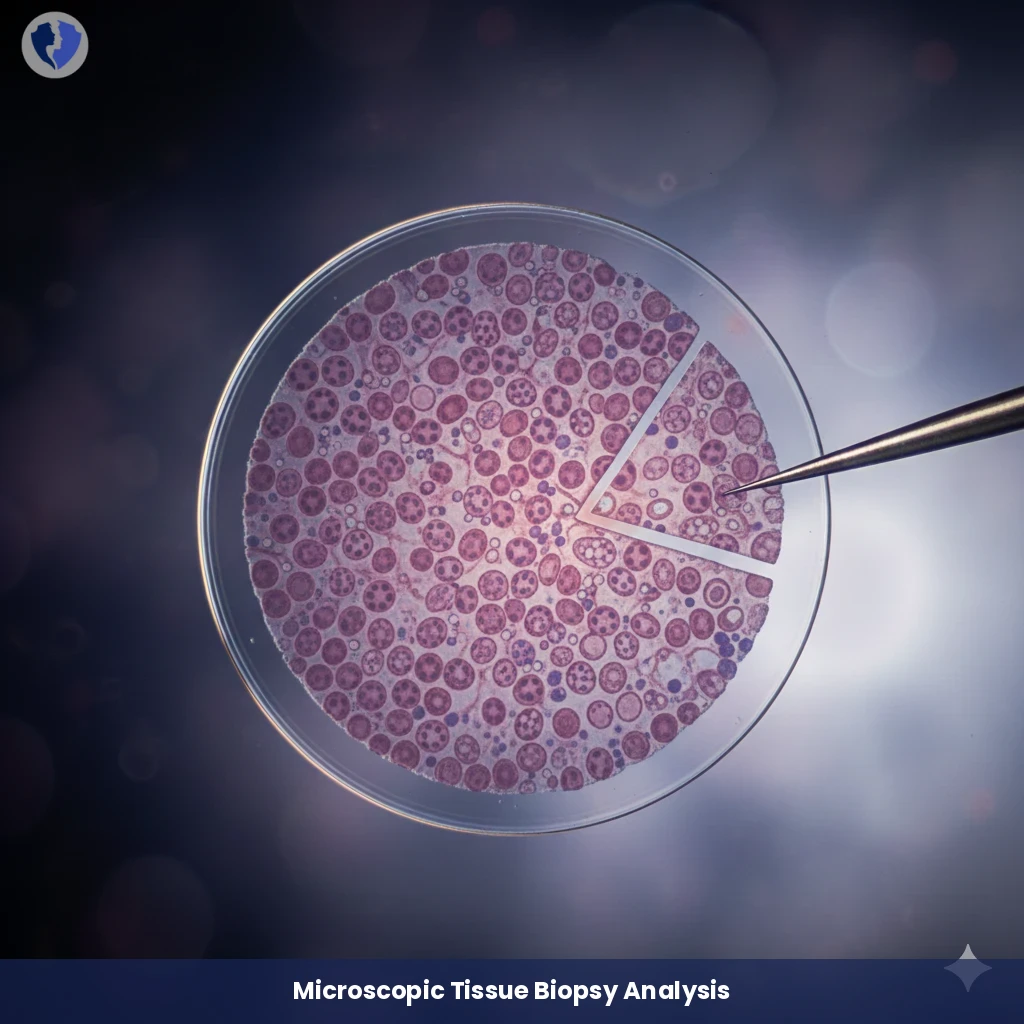
MRD testing is a vital tool for assessing treatment response in myeloma patients. It detects microscopic cancer cells invisible to standard tests, helping clinicians personalize treatment plans and effectively prevent potential relapses.

Scientific name: Minimal Residual Disease (MRD) Testing

An advanced test using flow cytometry or NGS to detect residual cancer cells after chemotherapy or marrow transplant, ensuring long-term remission and guiding clinical decisions.

Minimal Residual Disease (MRD) Testing - Monitor Your Recovery with Precision
Service type Specialized Laboratory Test
Duration 30-60 minutes
Fasting Fasting is not required

Included Services

  • Sample collection (Blood or Marrow)
  • Flow Cytometry/NGS analysis
  • Detailed medical result report

Medical Service Information

Purpose of the Test

  • Evaluate the effectiveness of chemotherapy or radiation.
  • Early detection of potential disease relapse.
  • Determine the need for adjusting the treatment protocol.

Target Groups

  • Patients with Multiple Myeloma.
  • Leukemia patients post-treatment.
  • Patients undergoing bone marrow transplantation.

Why Choose MRD Testing?

  • Extreme sensitivity, detecting up to one cell in a million.
  • Significantly higher accuracy than traditional microscopic tests.
  • Empowers doctors to make critical decisions regarding treatment duration.

Conditions & Notices

  • Requires prior coordination with an oncologist
  • May require a bone marrow biopsy based on clinical status

Medical services you might also like