Lymphocyte Subset Test Price | Lahalak Platform

Comprehensive lymphocyte profiling to assess your immune health, detecting early imbalances to ensure your body responds optimally to infections and diseases.

Prices starts from: 808.92 SAR

Scientific name: Lymphocyte Subset Test (CD3, CD4, CD8, CD16, CD56, CD19, CD20)

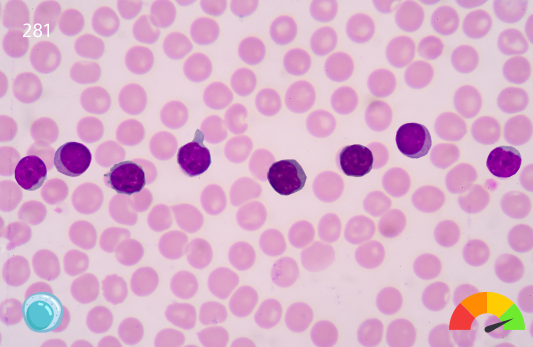
Lymphocyte Subset analysis (CD3, CD4, CD8, CD16, CD56, CD19, CD20) is an important tool for evaluating the immune system by measuring the levels and types of different lymphocytes in the blood. Techniques such as Flow Cytometry are used to determine the precise proportions of each type of cell. These tests help diagnose a range of disorders, includ...

Lymphocyte Subset Test (CD3, CD4, CD8, CD16, CD56, CD19, CD20) - Track Your Immune System Strength
Service type Laboratory test (Blood)
Duration 10-15 minutes
Fasting Fasting is not required
Prices Starting from 808.92 SAR

Included Services

  • (Lymphocyte Subset: CD3, CD4, CD8, CD16, CD56, CD19C, D20) Test
  • The optimal health guidance based on the result.
  • Personal support services from Lahalak

Medical Service Information

Purpose Test

  • Types of lymphocytes: Measures the proportions and types of lymphocytes in the blood, including: CD3: All T cells. CD4: Helper T cells. CD8: Cytotoxic T cells. CD16 & CD56: Natural Killer (NK) cells. CD19 & CD20: B cells.
  • CD3: All T cells.
  • CD4: Helper T cells.
  • CD8: Cytotoxic T cells.
  • CD16 & CD56: Natural Killer (NK) cells.
  • CD19 & CD20: B cells.

Recommended groups

  • Individuals with immune system weakness: Such as those with immunodeficiency or receiving immunosuppressive therapy.
  • HIV patients: To evaluate immune status and monitor disease progression.
  • Individuals with chronic viral infection symptoms: Such as recurrent fever or persistent fatigue.
  • Patients with autoimmune diseases: Such as lupus or rheumatoid arthritis, to assess disease activity.
  • Patients undergoing chemotherapy or immunotherapy: To monitor the treatment’s impact on the immune system.
  • Individuals with a family history of immune disorders or cancers: To assess health risks.

Symptoms indicative

  • Immune system weakness: Such as recurrent infections or chronic infections.
  • Persistent fever: Or unexplained elevated body temperature.
  • Chronic fatigue: Unexplained tiredness that may indicate immune system issues.
  • Symptoms related to viral infections: Such as persistent cough, sore throat, or breathing difficulties.
  • Abnormal weight changes: Such as sudden or unexplained weight loss.
  • Signs of immune disorders: Such as rashes, joint swelling, or pain.

FAQs

  • What is the purpose of this test? It aims to measure different types of lymphocytes to assess immune system function.
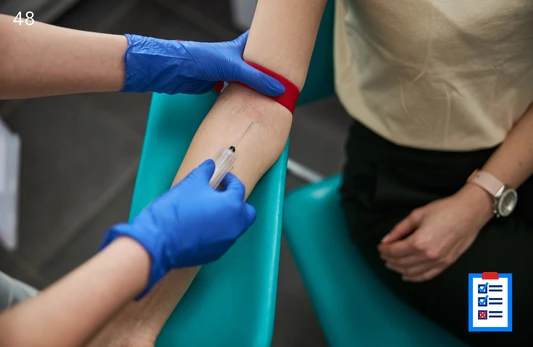
  • How is the test performed? A blood sample is drawn and analyzed using techniques such as flow cytometry.
  • Are there any special preparations before the test? Usually, no special preparations are needed, but it is recommended to consult the doctor for specific instructions.
  • How long does it take to get the results? Results are typically available within 2 days to a week, depending on the laboratory.
  • What are the normal values for lymphocytes? Normal values vary depending on age and gender; therefore, it is best to consult a doctor to interpret the results.
  • What are the risks associated with blood draw? Risks are minimal and may include bruising or pain at the site of the draw.

Normal Levels

  • Total lymphocytes: 20% to 40% of total white blood cells.
  • CD3 (T cells): 60% to 85% of lymphocytes.
  • CD4 (Helper T cells): 30% to 60% of lymphocytes.
  • CD8 (Cytotoxic T cells): 10% to 30% of lymphocytes.
  • CD16 and CD56 (NK cells): approximately 5% to 20% of lymphocytes.
  • CD19 and CD20 (B cells): 10% to 20% of lymphocytes.

Conditions & Notices

  • The terms and conditions announced on the "Lahalak" medical platform apply.
  • There are no special conditions for the service other than those mentioned.

Medical services you might also like