Homocysteine Test for Heart Health | Lahalak Platform

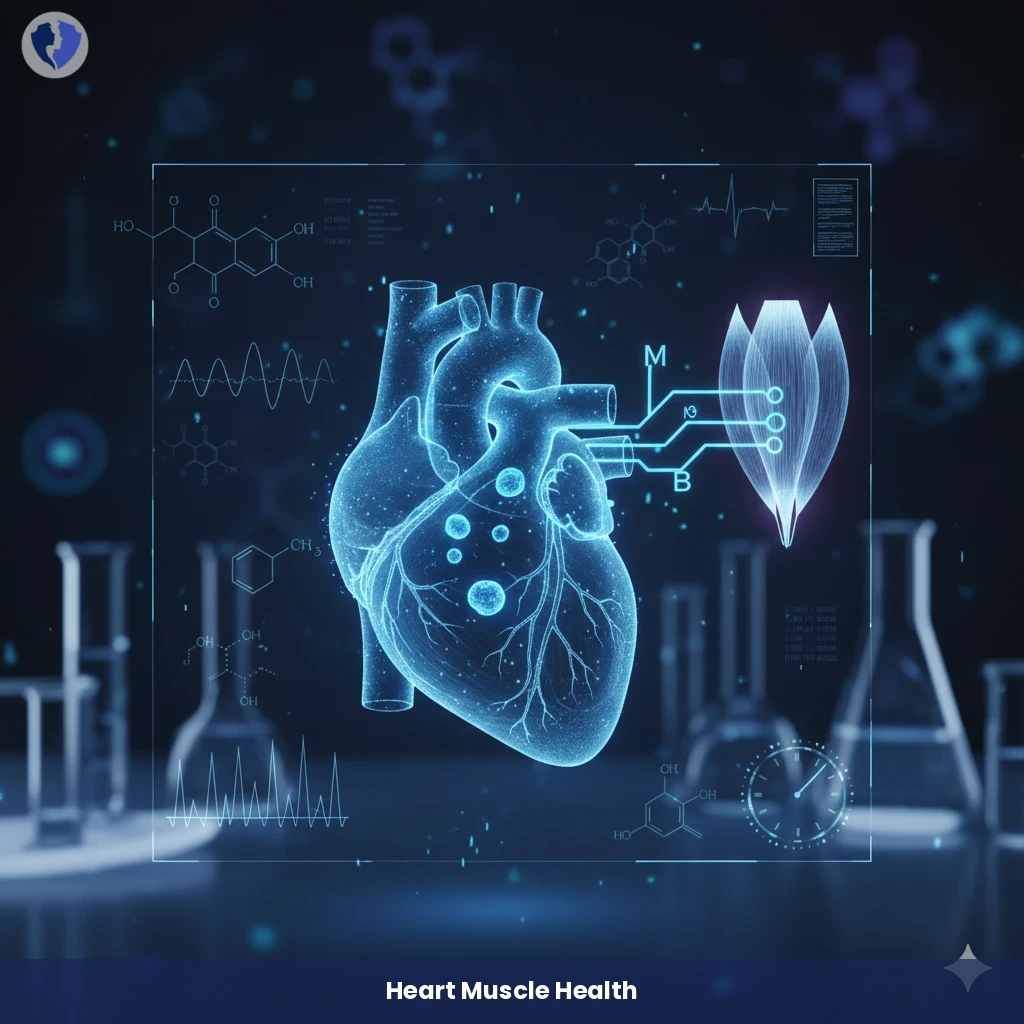
A precise test measuring homocysteine levels using advanced LC-MS/MS technology to monitor heart health and detect potential vascular risks early.

Prices starts from: 232.32 SAR

Scientific name: Homocysteine Analysis (LC-MS/MS)

Homocysteine analysis using Liquid Chromatography-Tandem Mass Spectrometry (LC-MS/MS) is an advanced procedure used to determine homocysteine levels in biological samples, such as blood or plasma. This test relies on the use of stable isotopes to improve measurement accuracy and reduce interference. Homocysteine levels are an important indicator of...


Homocysteine Analysis (LC-MS/MS) - Heart & Vascular Health Marker
Service type Laboratory test (Blood)
Duration 10-15 minutes
Fasting 10-12 hours fasting
Prices Starting from 232.32 SAR

Included Services

  • Homocysteine Analysis (Liquid Chromatography-Tandem Mass Spectrometry - LC-MS/MS) Test
  • The optimal health guidance based on the result.
  • Personal support services from Lahalak

Medical Service Information

Purpose Test

  • Cardiovascular risks: High homocysteine is a risk factor for atherosclerosis, heart attacks, and strokes.
  • Vitamin deficiencies: May indicate deficiency of vitamins B6, B12, and folic acid, which help reduce homocysteine levels.
  • Genetic conditions: Some hereditary disorders can increase homocysteine production.
  • Other health issues: Can be associated with kidney disease or thyroid disorders.

Recommended groups

  • Individuals at cardiovascular risk: Those with a family history of heart disease or risk factors like high blood pressure, obesity, or diabetes.
  • Diabetic patients: More prone to elevated homocysteine levels.
  • Individuals with vitamin deficiencies: Especially B6, B12, and folic acid.
  • People with specific medical conditions: Such as thyroid disorders, kidney disease, or genetic disorders affecting amino acid metabolism.
  • Pregnant women: To monitor elevated homocysteine levels that may pose pregnancy risks.
  • Individuals post-surgery or with chronic conditions: To track changes in homocysteine levels as part of overall health management.

Symptoms indicative

  • Chest pain: Could indicate heart or vascular issues.
  • Shortness of breath: May be related to heart or lung problems.
  • Unexplained fatigue: Could signal vitamin deficiencies or other health issues.
  • Dizziness or fainting: May indicate poor blood flow.
  • Personal or family history of heart disease: Such as heart attacks or strokes.
  • Memory or concentration problems: May relate to brain health effects.

FAQs

  • What is Homocysteine? It is an amino acid produced in the body, and elevated levels may be associated with health risks, especially cardiovascular diseases.
  • Why is Homocysteine Analysis Done? To assess the risk of heart and vascular diseases and to detect vitamin deficiencies (B6, B12, folic acid) or other health conditions affecting homocysteine levels.
  • How is the Test Performed? A blood sample is taken, often requiring fasting beforehand to ensure accurate results.
  • What Are Normal Homocysteine Levels? Typically less than 15 µmol/L, though reference ranges may vary by laboratory.
  • Factors That Can Affect Homocysteine Levels: Include diet, physical activity, medical history, and medications that influence metabolism.
  • Next Steps if Levels Are Elevated: May involve dietary changes, vitamin supplements, or further tests based on medical evaluation.

Normal Levels

  • Normal levels: Less than 15 µmol/L.
  • Intermediate levels: 15–30 µmol/L, which may be considered borderline.
  • High levels: More than 30 µmol/L, potentially indicating increased risk for cardiovascular diseases.

Conditions & Notices

  • The terms and conditions announced on the "Lahalak" medical platform apply.
  • There are no special conditions for the service other than those mentioned.

Medical services you might also like