Home Nasogastric Tube (NGT) Care | Lahalak Platform

Professional insertion and monitoring of the Nasogastric Tube (NGT) to ensure patients with swallowing difficulties receive their essential nutritional needs comfortably at home.

Prices starts from: 600 SAR

Scientific name: Home Nasogastric Tube (NGT) Care

The nasogastric feeding tube service at home provides a safe and effective solution for delivering essential nutrients directly from the nose to the stomach. This service is intended for individuals who have difficulty swallowing or those unable to receive nutrition orally due to medical conditions such as strokes or neurological diseases. The tube...
Home Nasogastric Tube (NGT) Care - Nasogastric Tube (NGT) Care
Service type Advanced nursing care
Duration 30-45 minutes
Fasting Fasting is not required
Prices Starting from 600 SAR

Included Services

  • Nasogastric feeding tube at home.
  • Personal support services from Lahalak

Medical Service Information

importance of a feeding tube

  • Providing Nutrition for Those Unable to Swallow: The nasogastric feeding tube (NG tube) is an effective solution for individuals who experience difficulty swallowing or are unable to eat normally due to medical conditions such as strokes or neurological diseases.
  • Supporting Healing and Recovery: It helps deliver necessary nutrition to people recovering from surgeries or other medical conditions, contributing to the healing process and improving overall health.
  • Prevention of Malnutrition: The NG tube is an important option for providing essential nutrients to individuals who cannot eat by mouth, helping prevent malnutrition, which is commonly associated with chronic or temporary illnesses.
  • Ease of Use at Home: The NG tube can be used at home, providing comfort to the patient and reducing the need for prolonged hospital stays or healthcare facility visits.
  • Improving Quality of Life: It allows the patient to receive continuous nutrition tailored to their needs, improving their quality of life and overall health without the need for frequent medical interventions.
  • Versatility for Various Medical Conditions: The NG tube can be used in a variety of conditions, including gastrointestinal diseases, cancer, or neurological disorders that impair a person's ability to eat normally.

Who is it for

  • Stroke Patients: Those who have difficulty swallowing or controlling the muscles responsible for swallowing.
  • Cancer Patients: Especially those with tumors in the mouth, throat, or gastrointestinal tract, which hinder their ability to eat normally.
  • Individuals with Neurological Disorders: Such as Parkinson's disease or Amyotrophic Lateral Sclerosis (ALS), which affect the ability to swallow or eat.
  • Post-Surgical Patients: Those recovering from major surgeries, such as gastrointestinal or pelvic surgeries, which affect their ability to eat normally.
  • People with Gastrointestinal Disorders: Such as chronic inflammatory bowel diseases or malabsorption issues, which make it difficult to obtain proper nutrition.
  • Patients with Malnutrition or Severe Loss of Appetite: In cases of chronic diseases or general weakness, a feeding tube helps ensure that essential nutrients are provided.

FAQ

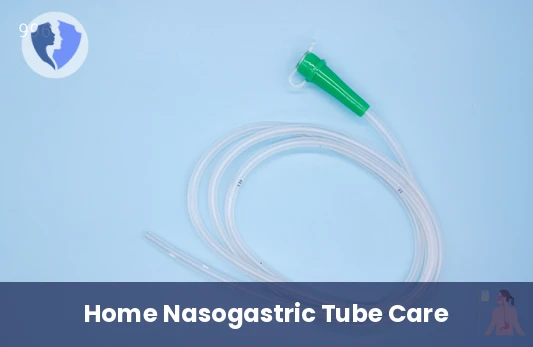
  • What is a Nasogastric Feeding Tube? A nasogastric feeding tube (NG tube) is a flexible tube inserted through the nose into the stomach, allowing nutrients and fluids to be delivered directly to the digestive system for individuals who have difficulty swallowing.
  • Who needs a Nasogastric Feeding Tube? It is required for individuals who have difficulty swallowing or cannot eat orally due to medical conditions such as strokes, cancer, neurological diseases, or major surgeries.
  • How is the Nasogastric Feeding Tube inserted? The tube is inserted by a trained healthcare professional. The process involves gently inserting the tube through the nose into the stomach. A local anesthetic may be used to minimize discomfort.
  • Can I use the Nasogastric Feeding Tube at home? Yes, the tube can be used at home under the supervision of a healthcare provider. The patient will receive specific instructions on how to care for the tube safely.
  • Are there risks associated with the Nasogastric Feeding Tube? Some potential risks include tube blockage or infection, but these are rare and can be minimized by following medical instructions and ensuring proper care of the tube.
  • How long can the Nasogastric Feeding Tube stay in the body? The duration varies depending on the patient's condition. The tube may remain in place for several days to weeks and can be changed or removed if the patient’s condition improves.

Conditions & Notices

  • The terms and conditions announced on the "Lahalak" medical platform apply.
  • There are no special conditions for the service other than those mentioned.

Medical services you might also like