H. pylori IgG Antibody Test Price | Lahalak Platform

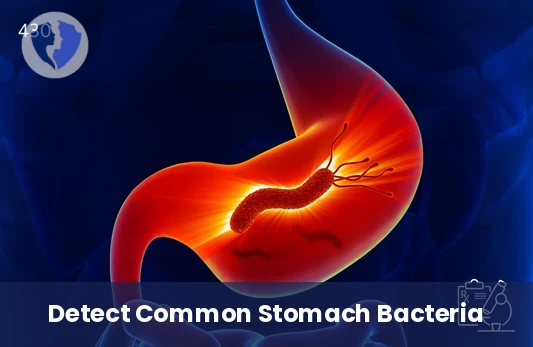
This test measures IgG antibodies to detect past exposure to H. pylori, helping assess immunity and guide preventive actions for a healthy stomach and optimal digestion.

Prices starts from: 47.52 SAR

Scientific name: Helicobacter pylori IgG Antibody Test

Helicobacter pylori IgG, Serum is a blood test used to detect IgG antibodies against the bacterium Helicobacter pylori. This bacterium is a common cause of gastritis and gastric ulcers and is sometimes associated with the development of stomach cancer. The test measures the level of antibodies in the serum, indicating a current or past infection. I...

Helicobacter pylori IgG Antibody Test - H. Pylori IgG Antibody Shield
Service type Laboratory test (Blood)
Duration 10-15 minutes
Fasting Fasting is not required
Prices Starting from 47.52 SAR

Included Services

  • Helicobacter pylori IgG، Serum Test
  • The optimal health guidance based on the result.
  • Personal support services from Lahalak

Medical Service Information

Purpose Test

  • It detects the presence of IgG antibodies against Helicobacter pylori bacteria in the blood. These antibodies indicate that the person has been exposed to the bacteria at some point, whether the infection is current or past.
Recommended groups

  • Individuals with Gastrointestinal Symptoms: Such as persistent stomach pain, heartburn, bloating, or nausea, which are associated with stomach inflammation or ulcers.
  • Individuals with a Family History of Stomach Ulcers or Stomach Cancer: H. pylori bacteria are linked to an increased risk of these conditions.
  • Individuals Previously Infected with H. pylori Who Want to Confirm Treatment Response.
  • Individuals Living in Areas with High Infection Rates: Especially in developing countries, where infection prevalence is higher.

Symptoms indicative

  • Stomach Pain or Heartburn: Especially if persistent or worsens after eating.
  • Bloating or Excess Gas: Feeling full after small amounts of food.
  • Nausea or Vomiting: Particularly if frequent or associated with stomach pain.
  • Loss of Appetite: Unexplained decrease in desire to eat.
  • Unexplained Weight Loss: Without a clear cause or changes in diet.
  • Dark Stool or Blood in Stool: Potential sign of an ulcer or stomach bleeding.

FAQs

  • What is the purpose of this test? It aims to detect the presence of antibodies against Helicobacter pylori in the blood, helping to diagnose current or past infection.
  • How is the test performed? The test is conducted by taking a blood sample, which is analyzed in a laboratory to determine the antibody levels.
  • Does the patient need to prepare before the test? The test usually does not require special preparation, but it is best to consult a doctor regarding any specific instructions.
  • What do the test results mean? If the antibody results are positive, it means the patient has been exposed to H. pylori. Negative results indicate no current infection.
  • Can a positive result appear even without symptoms? Yes, some individuals may have antibodies from a previous infection even if they currently show no symptoms.
  • How is H. pylori infection treated if the results are positive? Treatment usually involves antibiotics and medications to reduce stomach acid, according to the doctor’s recommendations.

Normal Levels

  • Negative Results: The result is considered negative when IgG antibody levels are below 1.0 U/mL, indicating no current or past infection.
  • Positive Results: The result is considered positive when IgG antibody levels are 1.0 U/mL or higher, indicating a possible H. pylori infection.
  • Indeterminate Results: Results between 0.9 and 1.0 U/mL may require further testing or evaluation.

Conditions & Notices

  • The terms and conditions announced on the "Lahalak" medical platform apply.
  • There are no special conditions for the service other than those mentioned.

Medical services you might also like