G6PD Deficiency Test | Lahalak Platform

An essential test to detect G6PD deficiency, protecting red blood cells from destruction and ensuring the avoidance of dietary or medicinal triggers that cause anemia.
Prices starts from: 70 SAR

Scientific name: Glucose-6-Phosphate Dehydrogenase (G6PD) Test

Glucose-6-Phosphate Dehydrogenase (G6PD) analysis in whole blood using EDTA is a laboratory test used to determine G6PD enzyme levels in blood cells. This enzyme is essential for protecting red blood cells from oxidative damage by maintaining the balance of antioxidants within the cells. The test is commonly performed to diagnose G6PD deficiency, a...

Glucose-6-Phosphate Dehydrogenase (G6PD) Test - G6PD Deficiency Shield Test
Service type Laboratory test (Blood)
Duration 10-15 minutes
Fasting Fasting is not required
Prices Starting from 70 SAR

Included Services

  • (Glucose-6-Phosphate Dehydrogenase (G6PD), Whole EDTA) Test
  • The optimal health guidance based on the result.
  • Personal support services from Lahalak

Medical Service Information

Purpose Test

  • G6PD Deficiency: Helps diagnose a deficiency of this enzyme, a genetic disorder affecting the body’s ability to protect red blood cells from oxidative stress.
  • Hemolysis: Can detect cases of hemolysis (breakdown of red blood cells) that may occur due to G6PD deficiency, especially when exposed to triggers such as certain medications or foods.
  • General Health Assessment: Used as part of routine screening for at-risk individuals or those showing symptoms like jaundice or anemia.
  • Family History: Helps confirm the diagnosis in individuals with a family history of G6PD deficiency.

Recommended groups

  • Individuals with symptoms of anemia: Such as fatigue, dizziness, and jaundice, to determine the potential cause of these symptoms.
  • Individuals with a family history of G6PD deficiency: Especially if other family members have the same condition.
  • Men, particularly of African or Middle Eastern descent: G6PD deficiency is more common in these populations.
  • Individuals exposed to substances that may cause hemolysis: Such as certain medications (e.g., sulfonamides) or foods (e.g., fava beans).
  • Newborns: To assess severe jaundice or anemia at birth.
  • Individuals undergoing medical treatments that may affect red blood cells: Such as chemotherapy or other treatments.

Symptoms indicative

  • Jaundice: Yellowing of the skin and eyes, which may indicate hemolysis.
  • Anemia: Feeling tired, weak, dizzy, or having an increased heart rate.
  • Dark Urine: Dark-colored urine may be a sign of red blood cell breakdown.
  • Hemolysis Symptoms: Such as fever, abdominal pain, or back pain, which may occur after consuming certain foods or medications.
  • Family History of Anemia or Jaundice: Presence of family members with similar symptoms.
  • Increased Susceptibility to Infections: G6PD deficiency can affect red blood cell health and immune function.

FAQs

  • What is the purpose of this test? It is used to determine G6PD enzyme levels in the blood, which helps diagnose G6PD deficiency and hemolytic disorders.
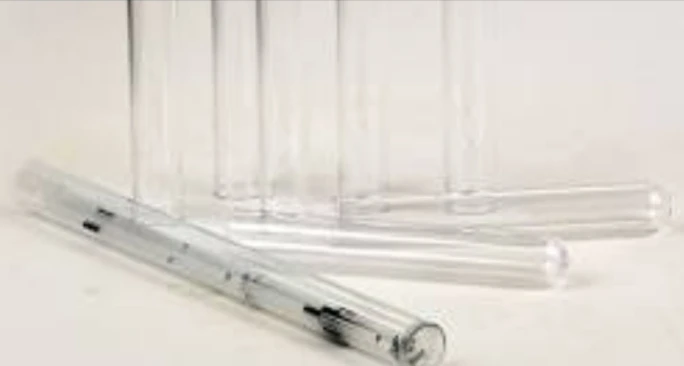
  • How is the test performed? A blood sample is taken, usually collected in a tube containing an anticoagulant such as EDTA.
  • Does the test require special preparation? Usually, no special preparation is needed, but it is best to consult your doctor for any specific instructions before the test.
  • How long does it take to get results? Results are typically available within one to two days, depending on the laboratory.
  • What are the risks associated with the test? Risks are minimal, such as mild pain or bruising at the sample collection site.
  • What do the test results mean? Results indicate the level of G6PD enzyme and can help determine if there is a deficiency or disorder in red blood cells.

Normal Levels

  • For Men: The normal level usually ranges from 7.0 to 14.0 International Units per gram of hemoglobin (U/g Hb).
  • For Women: The normal level usually ranges from 5.0 to 11.0 International Units per gram of hemoglobin (U/g Hb).

Conditions & Notices

  • The terms and conditions announced on the "Lahalak" medical platform apply.
  • There are no special conditions for the service other than those mentioned.

Medical services you might also like