Ferritin Iron Store Test | Lahalak Platform

Accurate measurement of ferritin to assess iron reserves, helping detect anemia or iron overload for better energy levels and overall physical health.

Scientific name: Ferritin Level Test

Ferritin is an intracellular protein that serves as the primary iron storage in the body. Measuring the ferritin level in serum accurately reflects the amount of iron stored in tissues (especially the liver and bone marrow). It is the best laboratory marker for assessing iron deficiency or overload, and is more sensitive and specific than measuring...
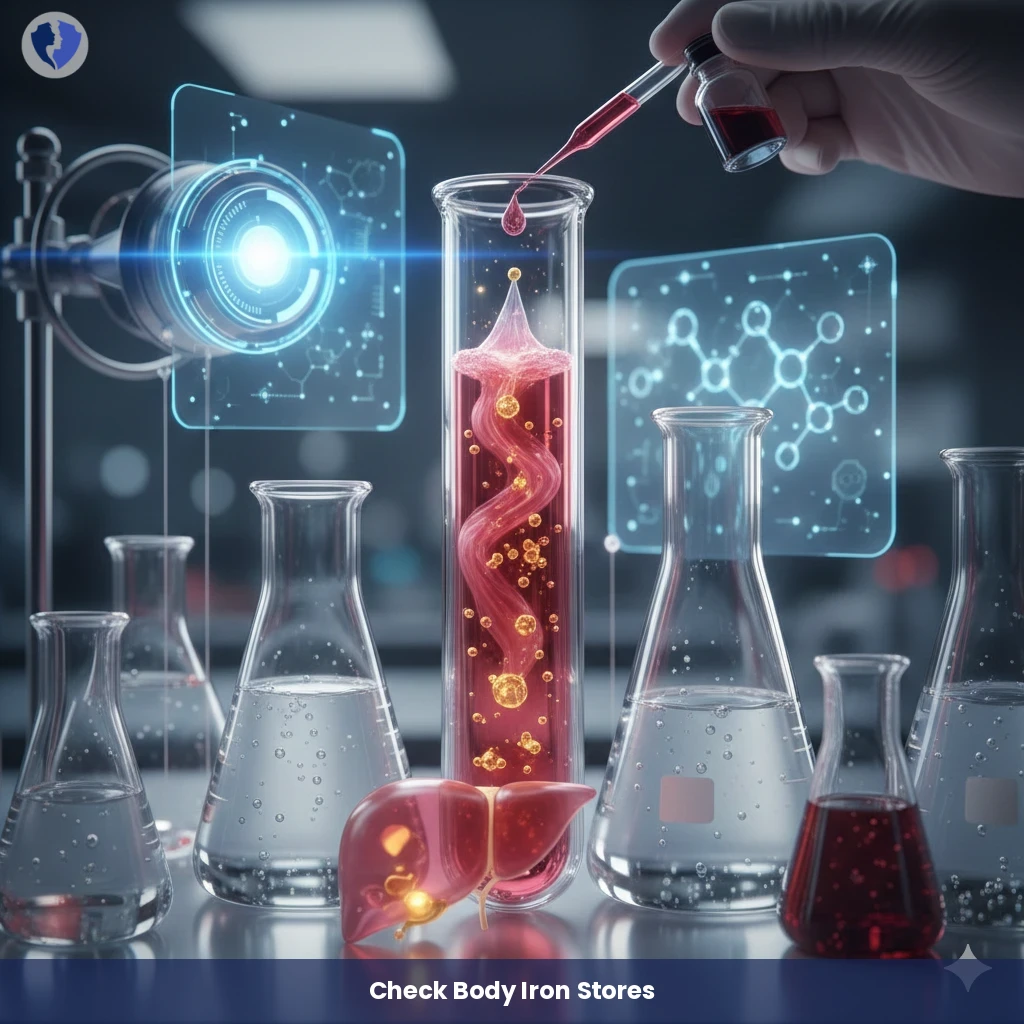

Ferritin Level Test - Measure Your Iron Stores
Service type Laboratory test (Blood)
Duration 10-15 minutes
Fasting Fasting is not required

Included Services

  • Ferritin Level Test
  • Consultation for results interpretation with a specialist.
  • Personal support services from Lahalak

Medical Service Information

Purpose Test

  • Accurate assessment of total body iron stores, whether low (deficiency) or high (iron overload)
  • Diagnosis of early-stage iron deficiency anemia, as ferritin decreases before changes in hemoglobin or red blood cells appear
  • Distinguishing between anemia caused by iron deficiency and anemia associated with chronic diseases (such as infections or tumors), where ferritin is normal or elevated in the latter
  • Diagnosis and monitoring of hemochromatosis and other iron overload disorders

Recommended groups

  • Women of reproductive age: Especially those with heavy menstrual cycles or during pregnancy, where their iron needs and risk of deficiency increase.
  • Children and adolescents: During periods of rapid growth, or those suffering from malnutrition or loss of appetite.
  • Athletes: Particularly long-distance runners and female athletes, who may suffer from "athletic anemia" related to iron deficiency.
  • Chronic patients: Such as those with kidney failure (especially those on dialysis), or those with chronic inflammatory diseases (like rheumatoid arthritis).
  • Individuals experiencing unexplained, persistent fatigue.

Symptoms indicative

  • Paleness of the skin, general fatigue, weakness, heart palpitations, and shortness of breath on exertion (symptoms of anemia).
  • Craving non-food items like ice or dirt (Pica), a characteristic symptom of iron deficiency.
  • Joint pain, abdominal pain, loss of libido (may indicate iron overload).
  • Very heavy menstrual bleeding (menorrhagia) in women.
  • A family history of hemochromatosis.

Frequently Asked Questions (FAQs)

  • What is the difference between the iron test and the ferritin test? Serum iron measures the amount of free iron available for immediate use in the blood, which fluctuates throughout the day and is affected by food intake. Ferritin, on the other hand, measures the total iron stores in your body, which is more stable and provides a more accurate picture of long-term iron status. Ferritin is the most important test for diagnosing iron deficiency or overload.
  • Can ferritin be elevated in the presence of anemia? Yes, in cases of anemia associated with chronic diseases (such as chronic infections, inflammation, or tumors). In this case, the body traps iron in storage (raising ferritin levels) and does not release it into the blood to produce hemoglobin (causing anemia). Here, ferritin can be normal or elevated despite anemia, unlike iron deficiency anemia, where ferritin is very low.
  • What does severe ferritin elevation mean? It may indicate: Hereditary hemochromatosis (the most important cause to rule out). Acute or chronic infections or inflammation (where ferritin serves as an inflammation marker). Liver diseases (such as alcoholic hepatitis). Certain types of cancer. Severe ferritin elevation requires a thorough medical evaluation to determine the cause.
  • Hereditary hemochromatosis (the most important cause to rule out).
  • Acute or chronic infections or inflammation (where ferritin serves as an inflammation marker).
  • Liver diseases (such as alcoholic hepatitis).

Normal Levels

  • Men: 30 - 400 ng/mL
  • Women (before menopause): 15 - 150 ng/mL
  • Women (after menopause): Similar to men's range.

Conditions & Notices

  • It is preferable to fast for 8-12 hours before sample collection, as eating (especially foods rich in iron) may temporarily affect the result.
  • The doctor or laboratory should be informed of any active infections or chronic diseases, as these conditions can significantly elevate ferritin levels and may provide a misleading picture of true iron stores.
  • It is preferable to avoid performing the test immediately after a recent blood transfusion.
  • The doctor should be informed about all medications and dietary supplements, especially iron supplements.

Medical services you might also like