Extended CVD Panel Test | Lahalak Platform

An advanced panel including inflammatory markers and detailed lipid profiles for an in-depth cardiovascular risk assessment, empowering early detection of silent threats and smarter decisions for a longer, healthier life.

Prices starts from: 506.87 SAR

Scientific name: Extended Cardiovascular Disease (CVD) Panel

The CVD Extended Panel is a comprehensive test used to assess risks associated with cardiovascular diseases. This analysis includes measuring several important markers, including levels of LDL cholesterol (bad) and HDL cholesterol (good), triglycerides, as well as inflammatory markers such as C-reactive protein (CRP) and other factors related to he...
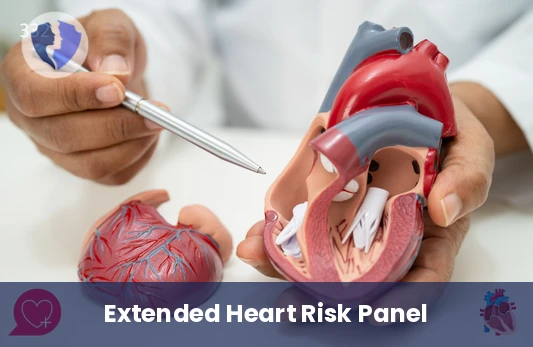

Extended Cardiovascular Disease (CVD) Panel - Extended Heart and Artery Screening
Service type Extended Laboratory Panel
Duration 20-30 minutes
Fasting 10-12 hours fasting
Prices Starting from 506.87 SAR

Included Services

  • CVD Extended Panel Test
  • The optimal health guidance based on the result.
  • Personal support services from Lahalak

Medical Service Information

Purpose Test

  • LDL Cholesterol Levels (Bad Cholesterol): Helps identify the risk associated with atherosclerosis and arterial blockage.
  • HDL Cholesterol Levels (Good Cholesterol): Indicates the level of cardiovascular protection by helping remove bad cholesterol from the blood.
  • Triglycerides: Measures blood fat levels; elevated values may increase the risk of heart disease.
  • Inflammatory Markers: Such as C-reactive protein (CRP), which may indicate inflammation and increased cardiovascular risk.
  • Blood Glucose Levels: Used to detect prediabetes or diabetes, both of which are significant cardiovascular risk factors.
  • Body Mass Index (BMI): Assesses obesity and its relationship to heart and vascular health.

Recommended groups

  • Individuals with a Family History of Heart Disease: To help identify potential inherited cardiovascular risks.
  • Patients with Diabetes: As diabetes significantly increases the risk of heart and vascular diseases.
  • People with High Blood Pressure: To evaluate the impact of hypertension on heart and blood vessel health.
  • Individuals Who Are Overweight or Obese: To assess cardiovascular risks associated with excess weight.
  • People with High Cholesterol Levels: To guide treatment strategies and reduce the risk of atherosclerosis.
  • Individuals with an Unhealthy Lifestyle: Such as physical inactivity or an unbalanced diet.

Symptoms indicative

  • Chest Pain: A feeling of pressure or pain in the chest area.
  • Shortness of Breath: Difficulty breathing, especially during physical activity.
  • Unexplained Fatigue: Persistent tiredness without a clear cause.
  • Dizziness or Fainting: A sensation of lightheadedness or sudden loss of consciousness.
  • Swelling in the Legs or Ankles: May indicate problems with blood circulation.
  • Changes in Sleep Pattern: Difficulty sleeping due to anxiety or pain.

FAQs

  • What Is the Purpose of the CVD Extended Panel Test? It is used to assess cardiovascular risk by measuring various indicators such as cholesterol, triglycerides, and inflammatory markers.
  • How Is the Test Performed? A blood sample is usually drawn from a vein, and fasting may be required for a certain period before the test.
  • Does the Test Require Fasting? Fasting for 9–12 hours may be recommended to obtain accurate results.
  • What Are the Normal Levels of Risk Factors in This Test? Normal values vary by parameter, but LDL cholesterol is generally considered normal when it is below 100 mg/dL.
  • When Should the CVD Extended Panel Be Performed? It is recommended for individuals at risk of cardiovascular disease or those experiencing related symptoms.
  • What Are the Possible Side Effects of the Test? The test is considered safe, though blood drawing may cause mild pain or bruising.

Normal Levels

  • Blood Pressure: Normal: Less than 120/80 mmHg.
  • LDL Cholesterol (Bad Cholesterol) Levels: Optimal: Less than 100 mg/dL. Near optimal: 100–129 mg/dL. High: 130 mg/dL or higher.
  • HDL Cholesterol (Good Cholesterol) Levels: Low: Less than 40 mg/dL. Desirable: 60 mg/dL or higher.
  • Triglyceride Levels: Normal: Less than 150 mg/dL. Borderline high: 150–199 mg/dL.
  • C-Reactive Protein (CRP) Levels: Normal: Less than 1 mg/L (or according to laboratory reference values).
  • Blood Glucose Level: Normal: Less than 100 mg/dL (fasting).

Conditions & Notices

  • The terms and conditions announced on the "Lahalak" medical platform apply.
  • There are no special conditions for the service other than those mentioned.

Medical services you might also like