ESR Blood Test Price | Lahalak Platform

A simple and effective test measuring the erythrocyte sedimentation rate, helping doctors detect inflammation or immune activity that requires further medical follow-up.

Scientific name: Erythrocyte Sedimentation Rate (ESR) Test

Erythrocyte Sedimentation Rate (ESR) is a blood test that measures the rate at which red blood cells settle at the bottom of a test tube over one hour. An elevated rate typically indicates an increase in plasma proteins (such as fibrinogen and globulins), a condition associated with inflammation, infections, autoimmune diseases, and various types o...
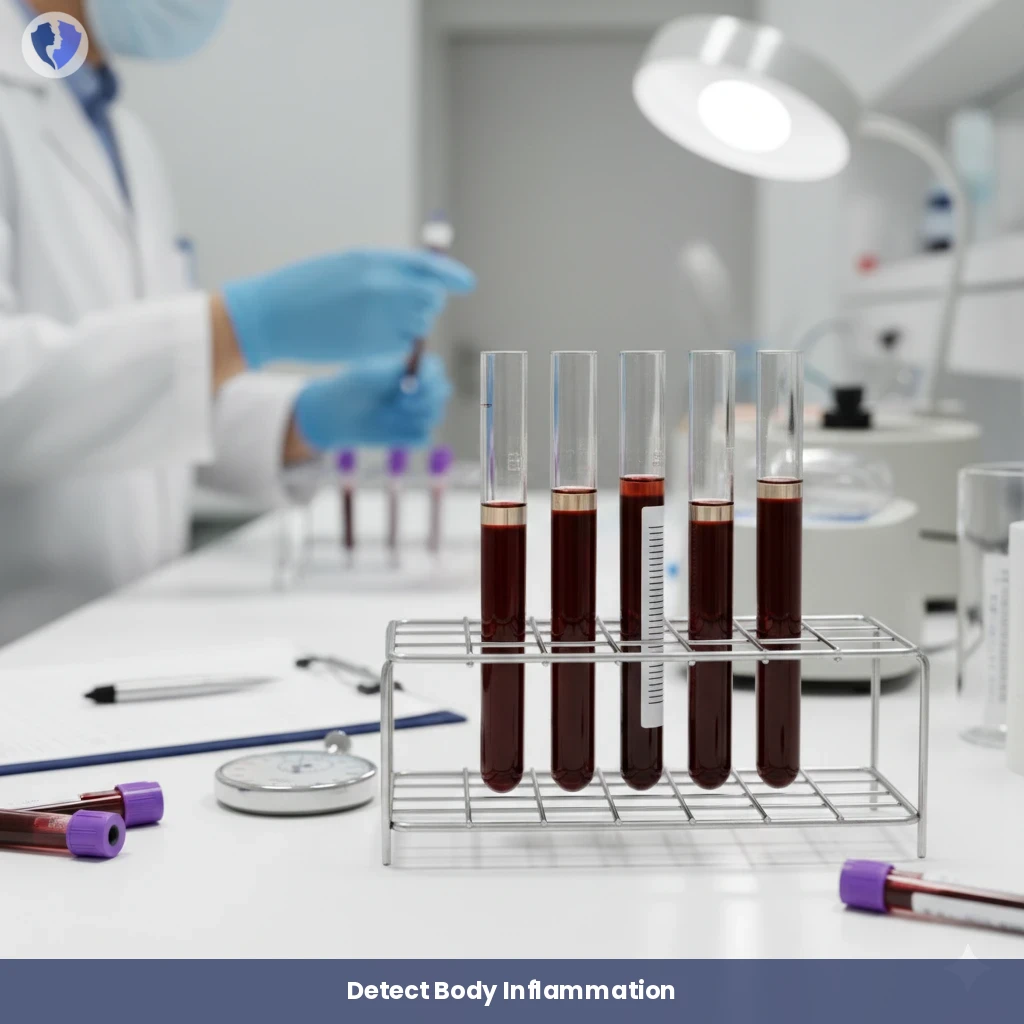

Erythrocyte Sedimentation Rate (ESR) Test - Detect Inflammation in Your Body
Service type Laboratory test (Blood)
Duration 10-15 minutes
Fasting Fasting is not required

Included Services

  • ESR Test
  • Consultation for results interpretation with a specialist.
  • Personal support services from Lahalak

Medical Service Information

Purpose Test

  • To detect the presence of general inflammation or infection in the body, as the rate increases in such cases.
  • Used as a nonspecific initial indicator to help diagnose autoimmune diseases such as rheumatoid arthritis and lupus erythematosus.
  • To monitor the activity and response of chronic inflammatory diseases to prescribed treatment.
  • To help evaluate nonspecific symptoms such as fever of unknown origin or unexplained weight loss.

Recommended groups

  • Chronic patients: Those with chronic inflammatory or autoimmune diseases (e.g., rheumatoid arthritis) to monitor disease activity.
  • Elderly individuals: As elevated ESR can be associated with several common conditions in aging.
  • Individuals with general symptoms: Such as persistent fever, unexplained muscle or joint pain, and severe fatigue.
  • Age group: It can be performed across all age groups based on clinical need.

Symptoms indicative

  • Persistent or recurrent fever without a clear cause of infection.
  • Ongoing joint and muscle pain or stiffness, especially if it is worse in the morning.
  • Unexplained weight and appetite loss.
  • Chronic headache, especially if accompanied by other systemic symptoms.
  • Development of symptoms that may indicate autoimmune diseases, such as specific rashes or mouth ulcers.

Frequently Asked Questions (FAQs)

  • Does an elevated ESR always mean I am sick? No. ESR is a general and nonspecific marker. It can slightly increase with aging, pregnancy, anemia, or even with some medications. The result should always be interpreted by the doctor in conjunction with symptoms and other test results.
  • What is the difference between ESR and CRP testing? Both are markers of inflammation, but CRP reacts faster and more specifically to acute inflammation and bacterial infections, while ESR rises and falls more slowly and is more associated with chronic inflammation and autoimmune diseases. They are often requested together to provide a more complete picture.
  • Why would I be asked for an ESR test if I have joint pain? Because an elevated ESR can be a sign of active inflammation in the body, such as that associated with rheumatoid arthritis or other rheumatic diseases. It helps guide the diagnosis and confirm that an inflammatory process is the cause of the pain.

Normal Levels

  • For men: less than 15 mm/hour.
  • For women: less than 20 mm/hour.
  • For the elderly: normal ranges may be slightly higher.

Conditions & Notices

  • Fasting is not required before the test, but it is recommended to inform the physician about any medications you are taking.
  • The sample should be taken at the specified time, as certain technical factors can affect the result.
  • The laboratory should be informed if the patient has anemia, as this may affect the result.
  • Results may vary slightly between laboratories depending on the analytical method used.

Medical services you might also like