Cyclosporine Level C-0 Test | Lahalak Platform

Precise analysis of Cyclosporine levels before the next dose to ensure immunotherapy effectiveness and prevent toxicity following organ transplant procedures.
Prices starts from: 116.16 SAR

Scientific name: Cyclosporine Level C-0 Test

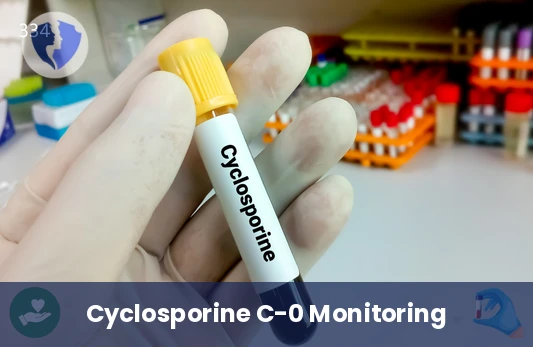
Cyclosporine Level C-0 / HPLC, Whole EDTA is a test used to determine the level of cyclosporine in the blood at the C-0 time point, meaning just before the next dose is administered. This analysis relies on high-performance liquid chromatography (HPLC) to obtain accurate measurements of cyclosporine levels. Cyclosporine is an immunosuppressive drug...

Cyclosporine Level C-0 Test
Service type Laboratory test (Blood)
Duration 10-15 minutes
Fasting Fasting is not required
Prices Starting from 116.16 SAR

Included Services

  • Cyclosporine Level C-0 / HPLC, Whole EDTA Test
  • The optimal health guidance based on the result.
  • Personal support services from Lahalak

Medical Service Information

Purpose Test

  • Assessing treatment efficacy: Allows physicians to know if the cyclosporine level is sufficient to maintain the required immune response.
  • Monitoring toxicity: Helps identify if cyclosporine levels are too high, which may lead to serious side effects.
  • Dose adjustment: Assists in making precise decisions regarding dose modifications to meet the individual patient's needs.
  • Ensuring treatment adherence: Can help evaluate whether the patient is taking the medication as prescribed.

Recommended groups

  • Organ transplant patients: Used to monitor cyclosporine levels to ensure the transplanted organs are not rejected.
  • Individuals receiving cyclosporine therapy: To monitor treatment effectiveness and adjust doses.
  • Patients with autoimmune diseases: Cyclosporine is used to treat conditions such as lupus or rheumatoid arthritis.
  • Individuals with a history of cyclosporine toxicity: To monitor drug levels and reduce risks.
  • Patients taking medications that may interact with cyclosporine: To observe the effects of these medications on cyclosporine levels.

Symptoms indicative

  • Increase or decrease in immune response: Such as signs of organ transplant rejection.
  • Toxicity symptoms: Such as dizziness, nausea, vomiting, and abdominal pain.
  • Changes in kidney function: Such as leg swelling or changes in urine output.
  • High blood pressure: Which may be associated with elevated cyclosporine levels.
  • Digestive issues: Such as diarrhea or loss of appetite.
  • Signs of infection: Such as fever or recurrent infections, which may indicate immune suppression.

FAQs

  • What is the purpose of the Cyclosporine level test? It is used to determine the level of cyclosporine in the blood to ensure treatment efficacy and monitor toxicity.
  • How is the test performed? A blood sample is drawn from a vein and sent to the laboratory, where it is analyzed using high-performance liquid chromatography (HPLC).
  • Does the test require fasting? Usually, fasting is not required, but it is recommended to consult a doctor about any specific requirements.
  • When should this test be performed? It is recommended periodically for patients taking cyclosporine or when symptoms indicate changes in health status.
  • What are the possible side effects of this test? The test is generally safe, but blood draw may cause mild pain or bruising.
  • How are the results interpreted? Results are interpreted based on detected cyclosporine levels and the patient’s symptoms, considering the treatment history.

Normal Levels

  • Normal levels: Generally range between 100 to 400 ng/mL in the blood, depending on the type of transplant or treated condition.
  • Target levels: May vary according to the patient’s protocol and therapeutic needs, so the ideal level should be determined by the physician.

Conditions & Notices

  • The terms and conditions announced on the "Lahalak" medical platform apply.
  • There are no special conditions for the service other than those mentioned.

Medical services you might also like