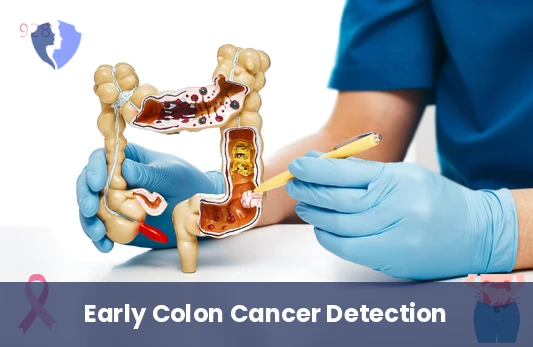
Screening for Early Detection
- What is Colon Cancer Screening? Colon cancer screening is a medical procedure aimed at the early detection of any issues or abnormal changes in the colon, helping with prevention and the discovery of cancer in its early stages.
- What Does the Screening Include? The screening includes a comprehensive medical consultation to assess health status, a complete blood count, a stool test to detect hidden blood or abnormal changes, and a colonoscopy to directly examine the intestines and colon.
- Who Needs the Screening? It is recommended for individuals with risk factors such as: age 45 and above, a family history of colon cancer or polyps, chronic inflammatory bowel diseases, or symptoms like persistent rectal bleeding or changes in bowel movements.
- Importance of the Screening: Early detection of abnormal changes allows for effective treatment before tumors progress to advanced cancer, increasing the chances of recovery and improving quality of life.
- Safety of the Screening: The screening is safe when performed under the supervision of a specialized doctor, with a low likelihood of minor complications, especially when using a colonoscope.
- Screening Results: Based on the results, the doctor can determine the next steps, which may include the removal of polyps, treatment for early changes, or regular follow-up to prevent cancer development.