Chromium (Cr) Blood Test | Lahalak Platform

Accurately measure Chromium levels to assess metabolic health and support blood sugar balance, maintaining vital functions and daily physical activity for the body.
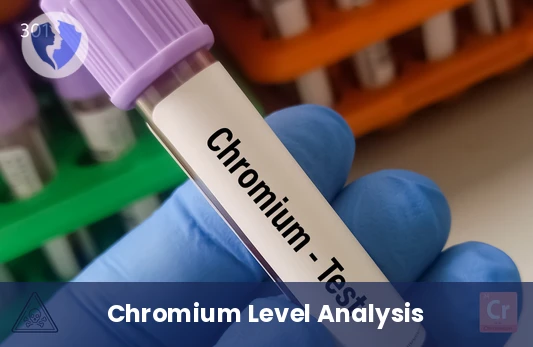
Prices starts from: 126.72 SAR

Scientific name: Chromium (Cr) Level Test

Chromium (Cr) level analysis by Atomic Absorption Spectrophotometer in Flame and GFA mode is an advanced analytical test aimed at measuring the concentration of chromium in environmental or industrial samples. The analysis is based on atomic absorption technology, which allows for highly accurate determination of metal element levels. Flame mode is...

Chromium (Cr) Level Test - Chromium Level Test
Service type Laboratory test (Blood)
Duration 10-15 minutes
Fasting Fasting is not required
Prices Starting from 126.72 SAR

Included Services

  • Chromium (Cr) Level Analysis by Atomic Absorption Spectrophotometer Flame and GFA Mode Test
  • The optimal health guidance based on the result.
  • Personal support services from Lahalak

Medical Service Information

Purpose Test

  • The chromium level test using Atomic Absorption Spectroscopy in Flame and GFA modes detects the concentration of chromium in various samples, such as water, soil, and industrial products. This test is used to determine chromium levels in the environment or materials, aiming to monitor environmental pollution or ensure product compliance with health and safety standards.

Recommended groups

  • Environmental Authorities: For organizations monitoring environmental pollution in water and soil, as chromium is a toxic pollutant that can affect public health.
  • Industrial Factories and Companies: To verify chromium levels in various products, especially in industries using chromium in processes such as steel production, coatings, and batteries.
  • Health Laboratories: To monitor contamination in food and beverages, as well as chromium levels in biological samples (like urine or blood) to assess potential health effects.
  • Local Authorities: For government agencies responsible for environmental and public health, ensuring chromium levels in water and natural resources are within permissible limits.
  • Individuals at Risk of Toxic Exposure: People working in environments with high chromium levels (e.g., metal workshops or coating facilities) may require regular testing to detect toxicity.

Symptoms indicative

  • Respiratory Issues: Such as persistent cough, shortness of breath, or a feeling of suffocation, especially for people working in environments with chromium dust or fumes from industrial processes.
  • Skin Changes: Such as ulcers or skin reactions, including rashes or irritation, which are common symptoms of exposure to toxic chromium compounds.
  • Stomach Pain or Nausea: Chromium poisoning can cause digestive issues such as stomach pain, nausea, and vomiting, especially when exposed to high levels in water or food.
  • Unexplained Weight Loss: In chronic chromium poisoning, a person may experience unexplained weight loss or general weakness.
  • Kidney or Liver Damage: Exposure to high concentrations of chromium can lead to problems in the liver or kidneys, such as changes in organ function or swelling.
  • Circulatory Problems: Such as swelling or vasculitis, which may result from long-term exposure to chromium compounds.

FAQs

  • What is Chromium and why should it be measured? Chromium is a naturally occurring metal element used in various industries such as steel and coating production. It can pose health risks when exposed to high levels, which is why it is measured in environmental or biological samples to determine pollution or poisoning levels.
  • What is Atomic Absorption Spectroscopy (AAS) and how does it work? AAS is a technique used to measure the concentration of metal elements in samples by detecting the light absorption of atoms in the sample. Flame AAS is used for higher concentrations, while Graphite Furnace AAS (GFA) measures very low concentrations.
  • Is preparation required before the test? Usually, no special preparation is needed. However, for biological samples like blood or urine, you may be asked to avoid certain foods or medications for a period before sampling.
  • How long does it take to get the test results? The time depends on the laboratory and method used, but typically it ranges from a few days to a week.
  • Is the test painful? For biological samples (blood or urine), the test is generally not painful. Blood is collected using a needle, and urine is collected with a container—a simple and straightforward process.
  • What are the normal levels of chromium in the body? Normal chromium levels vary by type, age, and source, but generally, chromium in blood and urine is very low. Reference values may differ depending on local laboratory standards.

Normal Levels

  • Chromium Level in Blood: Normal range: Chromium levels in blood are usually very low, typically ranging from 0.2 to 0.3 µg/dL. Above normal: May indicate chromium poisoning or excessive industrial or environmental exposure.
  • Chromium Level in Urine: Normal range: Generally less than 2 µg/L, with possible variation depending on the urine collection method. Above normal: May suggest long-term exposure or chromium toxicity.
  • Chromium Level in Water: Normal range: In drinking water, chromium should not exceed 0.05 µg/mL according to international health standards such as those set by the World Health Organization. Above normal: Indicates contamination with toxic chromium compounds.
  • Chromium Level in Soil: Normal range: Varies by location, but levels below 50 µg/kg are generally considered safe. Above normal: Often found in industrial or environmentally contaminated areas.
  • Chromium Level in Food: Normal range: Chromium is a trace element in food, typically ranging from 0.1 to 0.5 µg/g depending on food type.

Conditions & Notices

  • The terms and conditions announced on the "Lahalak" medical platform apply.
  • There are no special conditions for the service other than those mentioned.

Medical services you might also like