Cholinesterase Activity Test | Lahalak Platform

Accurate analysis to assess nervous system health and muscle function, helping in early detection of chemical poisoning or any emergency neurological dysfunction.
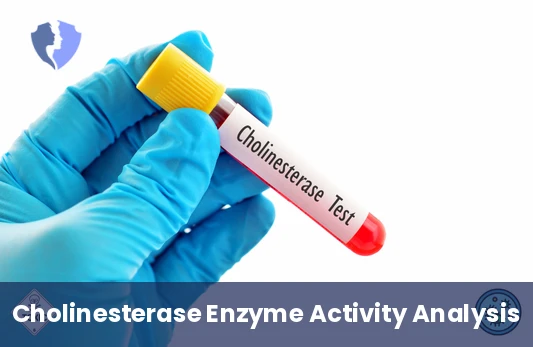
Prices starts from: 105.6 SAR

Scientific name: Cholinesterase Activity Test (HPLC)

Cholinesterase analysis by High Performance Liquid Chromatography (Cholinesterase by HPLC) is a precise test that uses chromatography to separate and measure the activity of the cholinesterase enzyme in biological samples such as blood or plasma. This analysis relies on HPLC to separate compounds based on their chemical properties, allowing for hig...

Cholinesterase Activity Test (HPLC) - Cholinesterase Activity Test
Service type Laboratory test (Blood)
Duration 10-15 minutes
Fasting Fasting is not required
Prices Starting from 105.6 SAR

Included Services

  • Cholinesterase by HPLC Test
  • The optimal health guidance based on the result.
  • Personal support services from Lahalak

Medical Service Information

Purpose Test

  • Diagnosing Poisoning: Especially poisoning from insecticides or toxic chemicals affecting cholinesterase.
  • Monitoring Drug Effects: Such as medications that affect the nervous system, including certain sedative or therapeutic drugs.
  • Diagnosing Certain Neurological Disorders: That affect enzyme function, including some neurological and genetic diseases.

Recommended groups

  • Individuals Exposed to Insecticides or Toxic Substances: These substances can affect cholinesterase activity, leading to nervous system disturbances.
  • Professionals Working in Environments with Toxic Exposure: Such as farmers, workers in pesticide factories, and employees in chemical industries who may have continuous exposure to toxic chemicals.
  • Patients Taking Drugs Affecting the Nervous System: Such as sedative medications or drugs used to treat neurological disorders, to monitor their impact on enzyme activity.
  • Individuals with Unexplained Neurological Symptoms: Such as seizures or muscle weakness, which may indicate issues with the acetylcholine system or cholinesterase activity.
  • Patients with Certain Neurological Disorders: Such as specific genetic disorders or diseases affecting cholinesterase function, like Edwards syndrome or other conditions leading to enzyme dysfunction.

Symptoms indicative

  • Dizziness and Headache: May indicate the effect of toxins or drugs affecting the nervous system.
  • Muscle Weakness: Especially if generalized or accompanied by difficulty breathing or swallowing, which may indicate an impact on acetylcholine-related neurological functions.
  • Seizures or Fits: Unexplained seizures may suggest poisoning or a disturbance in cholinesterase activity, affecting neurotransmitter regulation.
  • Nausea or Vomiting: When accompanied by other neurological symptoms like muscle weakness or confusion, it may result from pesticide or chemical poisoning.
  • Changes in Consciousness or Confusion: Such as unusual fatigue or mental distraction, possibly due to toxins or cholinesterase dysfunction.
  • Difficulty Breathing: May result from toxins affecting the autonomic nervous system that controls respiration.

FAQs

  • What is the Cholinesterase test? This test measures the activity of the cholinesterase enzyme in blood or plasma. The enzyme breaks down acetylcholine in the nervous system and is used to detect poisoning or neurological disorders.
  • What does the test detect? It detects the enzyme activity level, helping to diagnose poisoning from pesticides or chemicals, monitor the effects of certain medications, and identify neurological disorders affecting the enzyme.
  • Who should take this test? People exposed to poisoning, those working in environments with toxic substances, those with unexplained neurological symptoms, or those taking medications affecting the nervous system.
  • What symptoms indicate the need for this test? Dizziness, muscle weakness, seizures, nausea, vomiting, difficulty breathing, changes in consciousness or confusion, or occupational exposure to chemicals.
  • How is the test performed? A blood or plasma sample is collected and analyzed using HPLC to measure cholinesterase enzyme activity.
  • Does the test require special preparation? Usually not, but patients should inform their doctor about medications that may affect results. In some cases, fasting for a few hours may be recommended.

Normal Levels

  • Total Cholinesterase: Normal range: 5000 to 12000 U/L. This reflects the total enzyme activity in the body, including plasma and red blood cell cholinesterase.
  • Plasma Cholinesterase: Normal range: 3000 to 7000 U/L. This type is mainly used to detect pesticide poisoning or to assess drug effects on the enzyme.
  • Red Blood Cell (RBC) Cholinesterase: Normal range: 5000 to 12000 U/L. This reflects enzyme activity in red blood cells and is used for more precise detection of toxic effects.
  • Values may vary between laboratories depending on equipment and standards used.
  • Results should always be interpreted alongside clinical symptoms and patient history.
  • Poisoning from pesticides or toxic chemicals.

Conditions & Notices

  • The terms and conditions announced on the "Lahalak" medical platform apply.
  • There are no special conditions for the service other than those mentioned.

Medical services you might also like