Aminophylline Level Test | Lahalak Platform

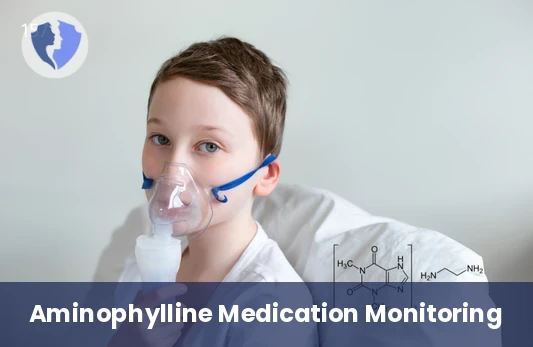
A precise test measuring blood aminophylline levels to monitor asthma treatment effectiveness, supporting respiratory health and enhancing daily breathing and energy safely.
Prices starts from: 105.6 SAR

Scientific name: Aminophylline Level Test

The Aminophylline test is used to measure the levels of theophylline in the blood, a medication commonly used to treat asthma and chronic obstructive pulmonary disease (COPD). This test helps assess the effectiveness of the treatment and adjust the appropriate dosage, ensuring the maximum benefit from the therapy while avoiding potential side effec...

Aminophylline Level Test - Aminophylline Respiratory Check
Service type Laboratory test (Blood)
Duration 10-15 minutes
Fasting Fasting is not required
Prices Starting from 105.6 SAR

Included Services

  • Aminophylline Test
  • The optimal health guidance based on the result.
  • Personal support services from Lahalak

Medical Service Information

Purpose Test

  • Treatment effectiveness: Ensuring the current dose of theophylline adequately controls symptoms of asthma or chronic obstructive pulmonary disease (COPD).
  • Avoiding toxicity: Detecting high levels that may cause side effects such as irritability, increased heart rate, and nausea.
  • Evaluating treatment response: Helping to adjust doses when necessary, especially in patients with other health conditions or taking medications that affect theophylline metabolism.

Recommended groups

  • Asthma patients: To assess the effectiveness of theophylline therapy and adjust doses.
  • Patients with chronic obstructive pulmonary disease (COPD): To monitor theophylline levels and ensure symptom control.
  • Individuals taking theophylline: Either chronically or those adjusting their doses.
  • Patients with other health conditions: Such as liver or kidney problems, which can affect the metabolism of theophylline.
  • Individuals on other medications: That may interact with theophylline and affect its blood levels.

Symptoms indicative

  • Worsening asthma symptoms: Such as shortness of breath or persistent coughing despite medication use.
  • Wheezing: Abnormal breathing sounds that may indicate worsening condition.
  • Increased use of asthma medications: Frequent need for inhalers.
  • Signs of toxicity: Such as nausea, vomiting, and increased heart rate, which may indicate elevated theophylline levels.
  • Unexplained fatigue: Feeling tired or weak may indicate imbalanced treatment.

FAQs

  • What is the purpose of Aminophylline testing? It is used to determine theophylline levels in the blood to assess treatment effectiveness and adjust dosages.
  • How is the test performed? A blood sample is collected and sent to the laboratory to analyze theophylline levels using precise techniques.
  • Does the patient need any special preparation before the test? Usually, no special preparation is required, but the patient may be advised to withhold theophylline for a period before the test.
  • What are the risks associated with the test? The test is generally safe, but the patient may experience mild discomfort during blood collection.
  • How can I interpret the test results? Results are interpreted by a physician, where high or low levels indicate the need for treatment adjustment.
  • What happens if the results are abnormal? The doctor may recommend adjusting the dosage or performing additional tests to determine the cause.

Normal Levels

  • Levels may vary slightly depending on the laboratory, but they are generally 10 to 20 µg/mL.
  • Considered effective for controlling asthma and chronic obstructive pulmonary disease (COPD) symptoms.
  • Levels below 10 µg/mL may not be sufficient for effective treatment.
  • Levels above 20 µg/mL may indicate a risk of toxicity or side effects.

Conditions & Notices

  • The terms and conditions announced on the "Lahalak" medical platform apply.
  • There are no special conditions for the service other than those mentioned.

Medical services you might also like