Advanced Sports Hormones Test | Lahalak Medical Platform

Precise analysis of the reproductive hormonal axis and anabolic hormones, helping athletes diagnose overexertion and optimize physical recovery and body balance.

Scientific name: Advanced Sports Hormones Package

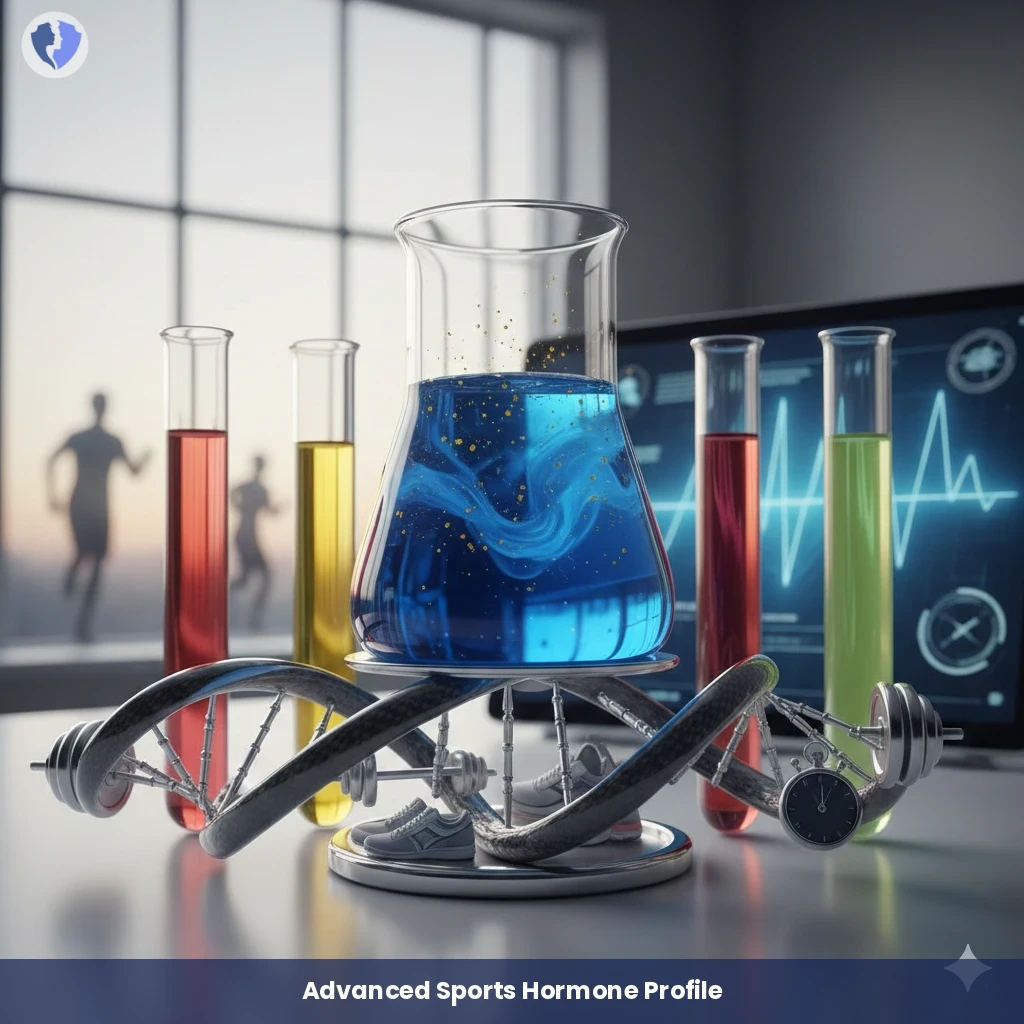
This highly advanced laboratory package focuses on the detailed evaluation of the hypothalamic-pituitary-gonadal axis and steroid hormones in athletes. It includes the measurement of key reproductive hormones: total and free (biologically active) testosterone, estradiol, and progesterone. It also measures the regulatory hormones from the pituitary...
Advanced Sports Hormones Package
Service type Laboratory test (Blood)
Duration 10-15 minutes
Fasting Fasting is not required

Included Services

  • Accurately measure total testosterone and free testosterone (active form).
  • Sex hormone-binding globulin (SHBG) measurement to assess the bioavailability of hormones.
  • Complete assessment of the pituitary-gonadal axis (LH, FSH, prolactin).
  • Measurement of sex steroid hormones (estradiol, progesterone, DHEA-S).
  • Consult a sports medicine or endocrinology specialist for a comprehensive interpretation of the results.
  • Personal support services from Lahalak

Medical Service Information

Purpose Test

  • Assessing precise reproductive axis balance in athletes (male and female) and diagnosing hypogonadism related to overtraining or Relative Energy Deficiency in Sport (RED-S)
  • Accurate measurement of free testosterone (the active hormone), the most important indicator for anabolic capacity and recovery, compared with total testosterone and SHBG influence
  • Monitoring hormonal side effects of intensive training programs or supplement use such as elevated prolactin or disrupted sex hormone ratios
  • Assessing pituitary and adrenal function under physical and psychological stress through FSH, LH, and DHEA-S measurements
  • Providing a comprehensive view of reproductive health in female athletes and identifying causes of amenorrhea or menstrual irregularities resulting from training

Recommended groups

  • Professional athletes in strength and power sports (bodybuilding, weightlifting, track and field, swimming)
  • Athletes experiencing symptoms of overtraining (Overtraining) such as chronic fatigue, performance decline, sleep and mood disturbances
  • Female athletes experiencing amenorrhea or irregular cycles (female athlete triad)
  • Individuals using hormone-affecting supplements such as natural testosterone boosters, DHEA, requiring monitoring
  • Athletes suspected of anabolic steroid use where abnormal patterns appear in this panel (e.g., marked decrease in LH and FSH with elevated testosterone)
  • Athletes in recovery from long-term injury or stress

Symptoms indicative

  • Unexplained decline in strength, muscle mass, or athletic performance despite continued training
  • Severe chronic fatigue, depression, decreased libido, and concentration problems
  • Amenorrhea or severe menstrual irregularities in female athletes
  • Appearance of masculine traits in women (deepened voice, increased facial hair) or gynecomastia in men
  • Difficulty recovering after exercise, or recurrent injuries

Frequently Asked Questions (FAQs)

  • What is the difference between total testosterone and free testosterone, and why are both important? Total testosterone measures all hormone in the blood, whether bound to proteins (SHBG and albumin) or free Free testosterone is the small portion (1-3%) that is unbound, biologically active, and able to enter cells SHBG is the main binding protein Total testosterone may be normal, but if SHBG is elevated (as can happen with chronic stress), the actual free hormone is low, explaining symptoms despite a "normal" total result Measuring all three together provides a true picture of hormonal status
  • Can intensive training cause elevated prolactin levels? Yes, intense physical exercise, especially prolonged sessions, is a known stimulus for prolactin release A temporary rise after exercise is normal Chronic prolactin elevation may indicate overtraining and can suppress reproductive hormones (LH, FSH) in both sexes, leading to low testosterone and menstrual irregularities
  • What is the importance of DHEA-S for athletes? DHEA-S is a steroid hormone produced by the adrenal gland and is a key precursor to testosterone and estradiol It serves as an indicator of adrenal function and resilience to stress Chronic low levels may indicate adrenal fatigue related to prolonged overtraining Some athletes take DHEA supplements as a natural booster, so measuring it aids in monitoring

Normal Levels

  • Total and free testosterone: completely different ranges for men and women
  • LH and FSH: vary according to sex and cycle phase
  • Estradiol and progesterone: in women, strongly dependent on the day of the cycle
  • SHBG: affects the interpretation of sex hormones
  • DHEA-S: has a wide range that decreases with age

Conditions & Notices

  • Timing of the menstrual cycle is crucial: The test must be timed precisely to the appropriate day of the cycle (usually days 2-4 for most hormones). Consult your doctor or the laboratory.
  • Morning sample collection time: Blood should be drawn early in the morning (7-9 am) for all hormones, as they are at their daily peak (especially testosterone and cortisol if measured).
  • • Refrain from exercise: Avoid any athletic training or competition for at least 48 hours prior to the examination, as strenuous exercise temporarily alters the levels of many hormones.
  • Rest before prolactin withdrawal: Sit and rest for 30 minutes in a quiet place before withdrawal, avoiding physical or psychological stimulation.
  • Stop taking supplements: Stop taking all hormonal or hormone-stimulating supplements 5-7 days before the test, after consulting a doctor.

Medical services you might also like