Advanced Bodybuilding Package | Lahalak Medical Platform

A comprehensive assessment of anabolic hormones, liver, and kidney functions under intense training stress, ensuring peak athletic performance and muscle recovery with complete safety.

Scientific name: Advanced Bodybuilding and Athletes Package

A highly advanced and comprehensive laboratory package specifically designed for athletes undergoing high-intensity training and intensive muscle-building programs. The package combines extensive hormonal evaluation, including anabolic hormones (total testosterone, growth hormone), balancing hormones (cortisol, estradiol, TSH), and a comprehensive...
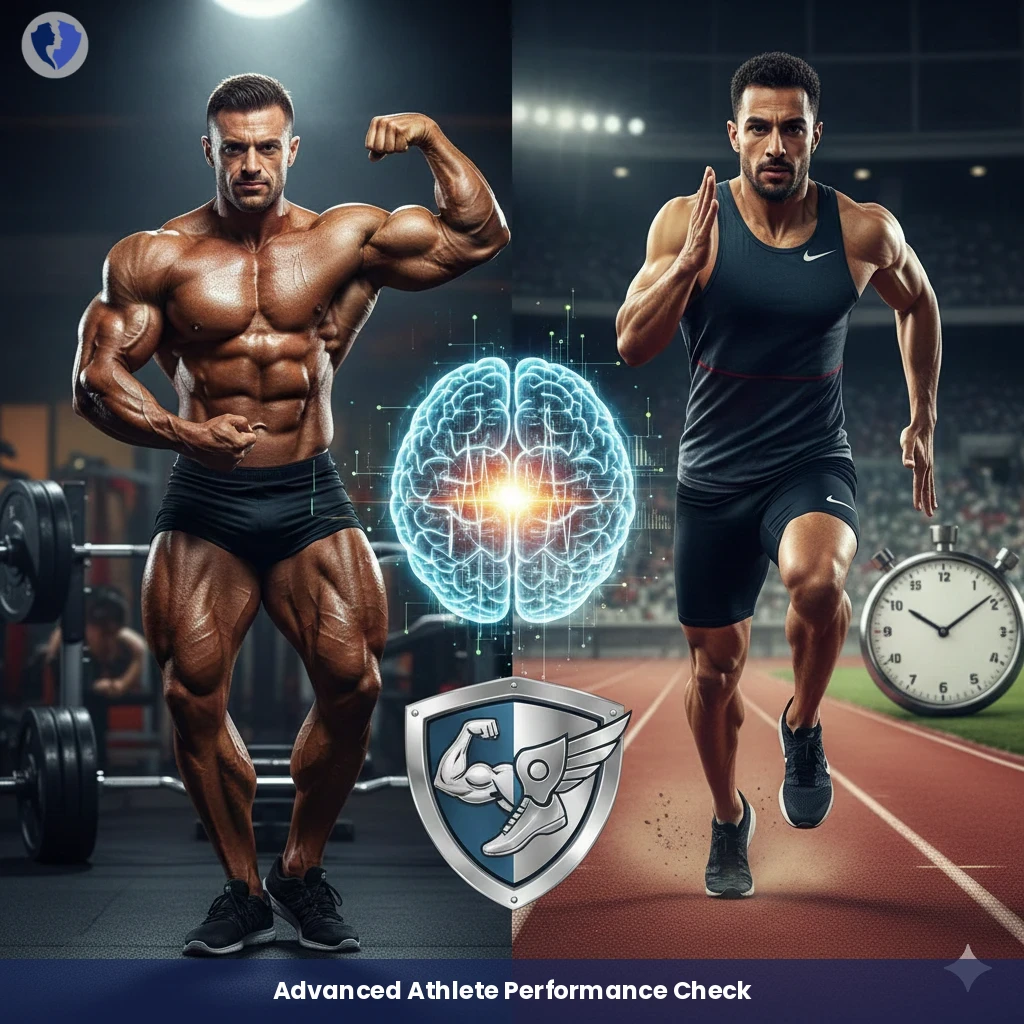

Advanced Bodybuilding and Athletes Package - Advanced Bodybuilding & Athletes Package
Service type Laboratory test (Blood)
Duration 10-15 minutes
Fasting 8-12 hours fasting

Included Services

  • Advanced hormonal assessment (total testosterone, growth hormone, cortisol, estradiol, TSH hormone).
  • Assessment of muscle strain intensity and recovery (total creatine kinase CK).
  • Comprehensive examination of liver function (ALT, AST, ALP, total bilirubin) and kidney function (creatinine, urea nitrogen BUN).
  • Cardiovascular and metabolic risk assessment (total cholesterol, triglycerides, glycosylated hemoglobin A1c, uric acid).
  • Complete blood count (CBC) and electrolyte (sodium) test.
  • Consult a sports medicine or endocrinology specialist for a comprehensive interpretation of the results.
  • Personal support services from Lahalak

Medical Service Information

Purpose Test

  • Assessment of anabolic hormone balance for athletic performance and muscle building especially the testosterone-to-cortisol ratio (stress and adaptation marker) and preventing estradiol elevation
  • Monitoring liver and kidney health under high metabolic load, dietary supplements, and excessive protein intake
  • Measuring muscle stress and recovery through creatine kinase (CK), and preventing rhabdomyolysis
  • Checking safety indicators for illicit anabolic steroid use through abnormal hormone patterns and liver function
  • Assessing cardiovascular and metabolic risks associated with increased muscle mass and high-protein/fat diets

Recommended groups

  • Professional and amateur bodybuilders committed to intensive training and nutrition programs
  • Athletes in strength and explosive power sports (weightlifters, wrestlers, rugby players)
  • Individuals consuming large amounts of dietary supplements (protein, creatine, natural testosterone boosters, etc.)
  • Athletes suspected of overtraining syndrome
  • Coaches and sports physicians who wish to scientifically monitor athlete health

Symptoms indicative

  • Stalled muscle growth or loss of muscle mass despite intensive training
  • Severe chronic fatigue, performance decline, and sleep disturbances (overtraining symptoms)
  • Severe and persistent muscle pain after exercise that does not resolve with rest
  • Appearance of excessive masculine traits in women or symptoms of low testosterone in men
  • Digestive problems, yellowing of eyes or skin, or flank pain (possible liver or kidney issues)
  • Before and after an intensive training cycle or major change in diet/supplements

Frequently Asked Questions (FAQs)

  • Why is the testosterone-to-cortisol ratio important for athletes? This ratio is a vital indicator of stress and recovery capacity Testosterone is an anabolic hormone, while cortisol is a catabolic hormone released under stress With overtraining, cortisol rises and testosterone may drop, lowering the ratio This indicates the body is in a catabolic state and not recovering properly, necessitating adjustments in training intensity and rest
  • Can protein or creatine supplements harm the kidneys? In healthy individuals with normal kidney function and adequate hydration, reasonable doses of these supplements are generally safe Very high doses combined with low fluid intake place stress on the kidneys This panel is essential for early detection of any rise in creatinine or urea, signaling kidney stress and allowing adjustments before permanent damage occurs
  • Why is estradiol (the female hormone) tested in male athletes? Some testosterone naturally converts to estradiol via the aromatase enzyme Using external hormonal steroids or testosterone-boosting supplements may excessively raise estradiol This can cause gynecomastia, fluid retention, and unwanted fat gain Monitoring it helps maintain hormonal balance

Normal Levels

  • Total Testosterone: varies with age, but optimal levels for athletic performance are usually in the upper normal range
  • Cortisol: has a daily rhythm (highest in the morning), interpreted according to the sampling time
  • CK (Creatine Kinase): naturally elevated after exercise, but very high values (>10,000 IU/L) are warning signs
  • Liver enzymes (ALT, AST, ALP): may be slightly elevated chronically in active athletes, but significant elevation requires attention
  • Creatinine: may be slightly higher than the general population due to large muscle mass (muscle mass produces creatinine)

Conditions & Notices

  • Mandatory fasting: You must fast for 10-12 hours before the sample is taken for accurate lipid and sugar analysis. Water is permitted.
  • Complete abstinence from exercise: Avoid any training activity or athletic competition for at least 72 hours (3 days) prior to the test. This is essential to ensure that muscle (CK) and liver (AST) enzymes return to their baseline levels and do not distort the results.
  • Morning sample collection time: Blood should be drawn early in the morning (7-9 am), especially for cortisol and testosterone, which are at their daily peak.
  • Stop taking supplements: Stop taking all dietary supplements (especially biotin, testosterone boosters, pre-workout supplements) 5-7 days before the scan after consulting a doctor, to get a true picture.
  • Good sleep: Get a full and restful night's sleep before the examination.

Medical services you might also like