Service Details
ESR Inflammation Marker Test - Erythrocyte Sedimentation Rate (ESR) Test
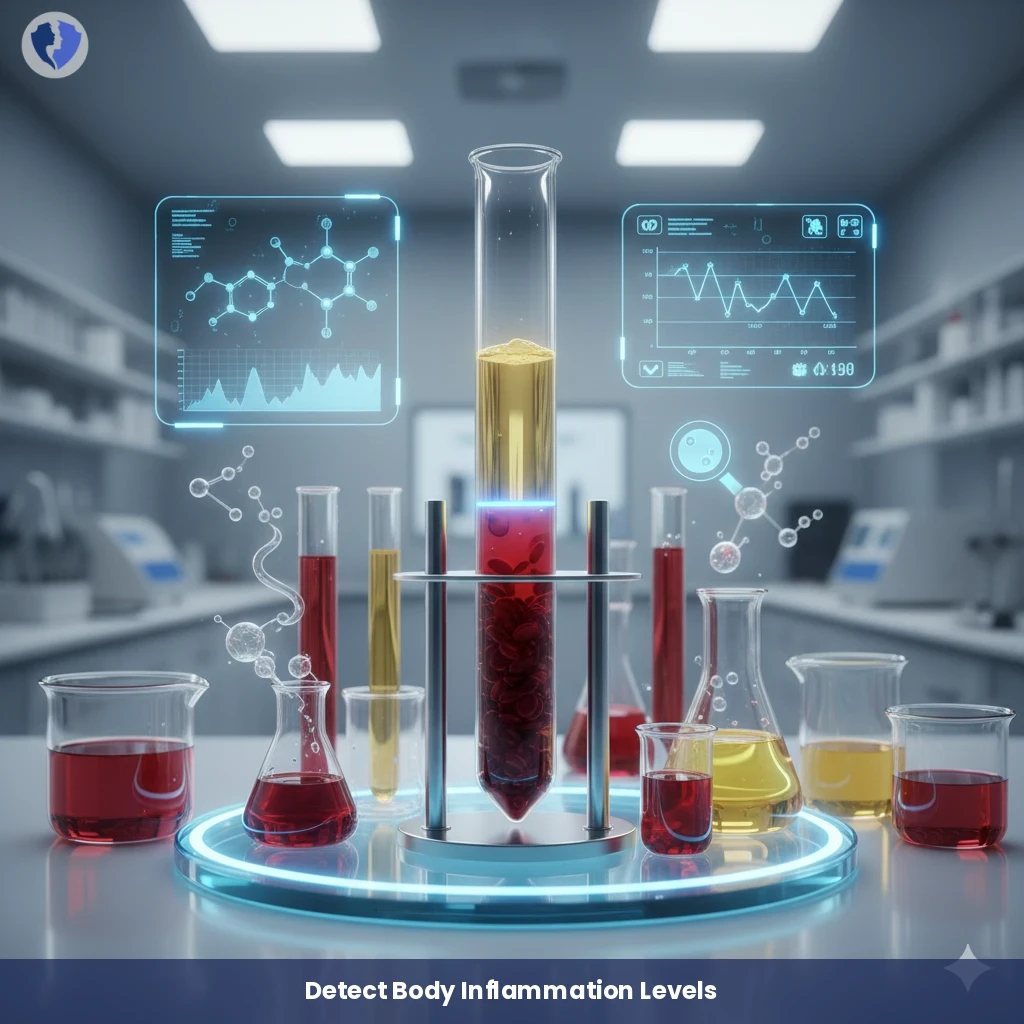
The erythrocyte sedimentation rate (ESR) test is a non-specific blood test that measures the rate at which red blood cells settle in a column of non-clotting blood over a specific time period (usually one hour). This rate depends on the ability of red blood cells to clump together (agglomerate). The presence of acute-phase reactive proteins (such as fibrinogen and globulin) in the blood during inflammation increases clumping, thus increasing the sedimentation rate. It is a sensitive but non-specific test and is used as a general indicator of the presence and severity of inflammation.